
Disclaimer:
The information provided in this article is for educational and informational purposes only and is not intended as a substitute for professional medical advice, diagnosis, or treatment. Always seek the advice of your physician, audiologist, or other qualified healthcare providers with any questions you may have regarding ear health or potential hearing conditions. Do not disregard or delay seeking professional medical advice because of something you have read in this article. If you suspect you have ear nerve damage or any other hearing-related condition, consult a healthcare professional immediately.
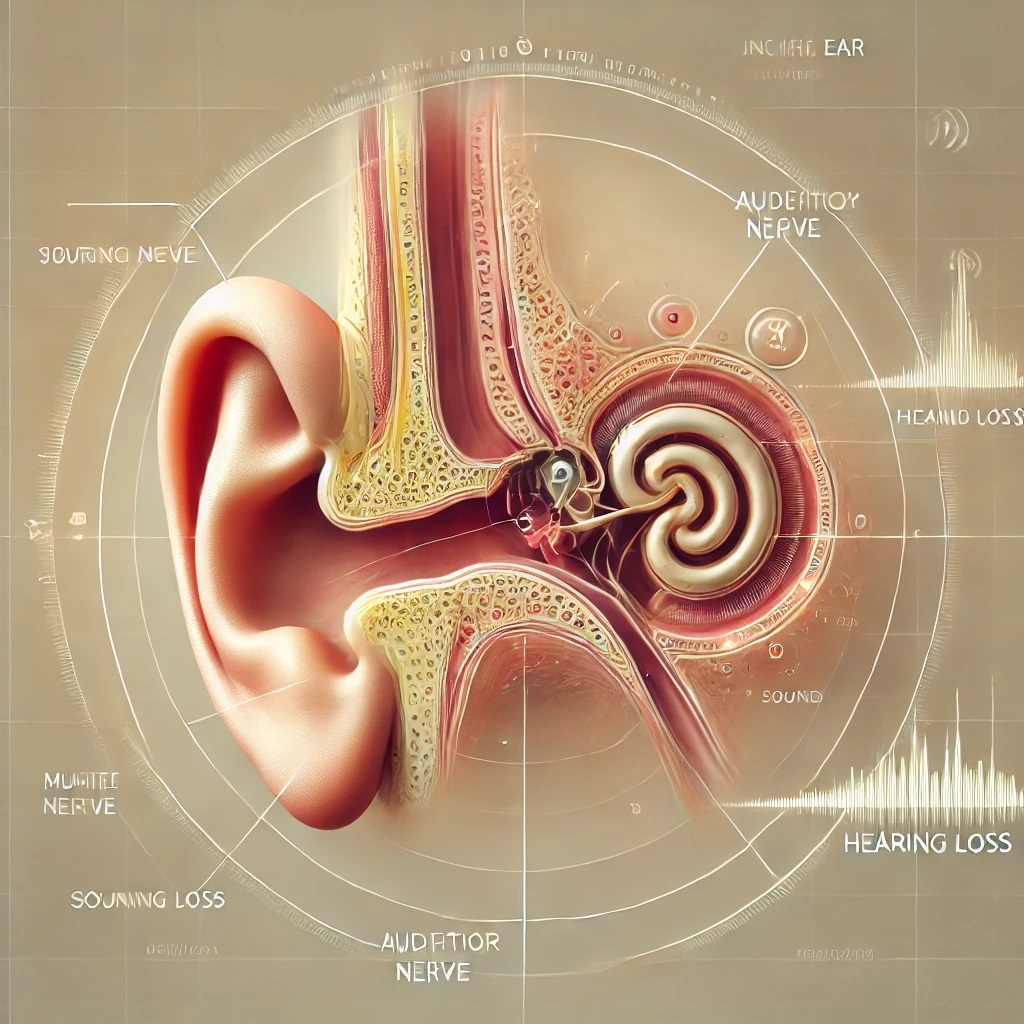
Ear nerve damage, also known as sensorineural hearing loss, can significantly impact your quality of life if not identified and treated early.
Understanding the symptoms and seeking medical help can prevent further hearing complications.
In this article, we’ll explore the signs of ear nerve damage, common causes, and available treatment options.
What Is Ear Nerve Damage?
Ear nerve damage refers to damage to the auditory nerve or hair cells in the inner ear. This condition, known as sensorineural hearing loss (SNHL), affects how sound signals are transmitted to the brain. Unlike conductive hearing loss, which affects the outer or middle ear, sensorineural hearing loss is rooted deeper within the ear’s structure.
This damage is often permanent, but there are ways to manage it effectively. The sooner you recognize the symptoms, the better your chances of mitigating further harm.
Common Symptoms of Ear Nerve Damage
Recognizing the symptoms of ear nerve damage is key to early diagnosis and treatment. Here are the most common signs:
1. Gradual Hearing Loss

One of the primary symptoms of ear nerve damage is hearing loss that progresses over time.
You may notice that sounds seem muffled, and you may have difficulty understanding conversations, especially in noisy environments.
This form of hearing loss typically affects both ears, though it can also occur in just one ear.
Common Indicators:
- Frequently asking others to repeat themselves
- Turning up the volume on electronic devices
- Struggling to hear in group conversations or crowded places
2. Ringing in the Ears (Tinnitus)
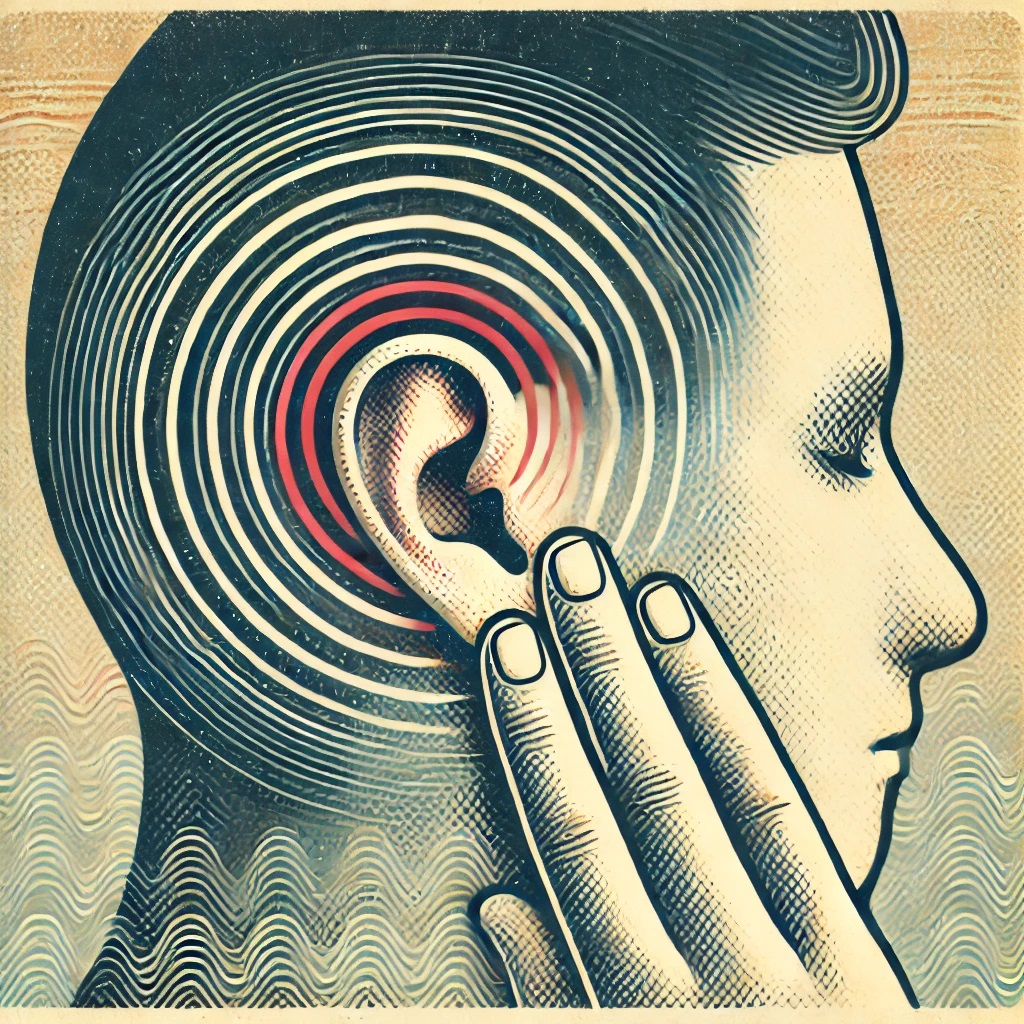
Tinnitus, a condition characterized by ringing, buzzing, or hissing sounds in the ear, is a common symptom of nerve damage.
This noise can be constant or intermittent, and its intensity can vary.
Tinnitus is often more noticeable in quiet environments or when trying to sleep.
While tinnitus can be caused by other conditions, such as ear infections or exposure to loud sounds, it’s frequently associated with ear nerve damage.
If you experience persistent tinnitus, it’s important to consult a healthcare professional for evaluation.
3. Difficulty Understanding Speech
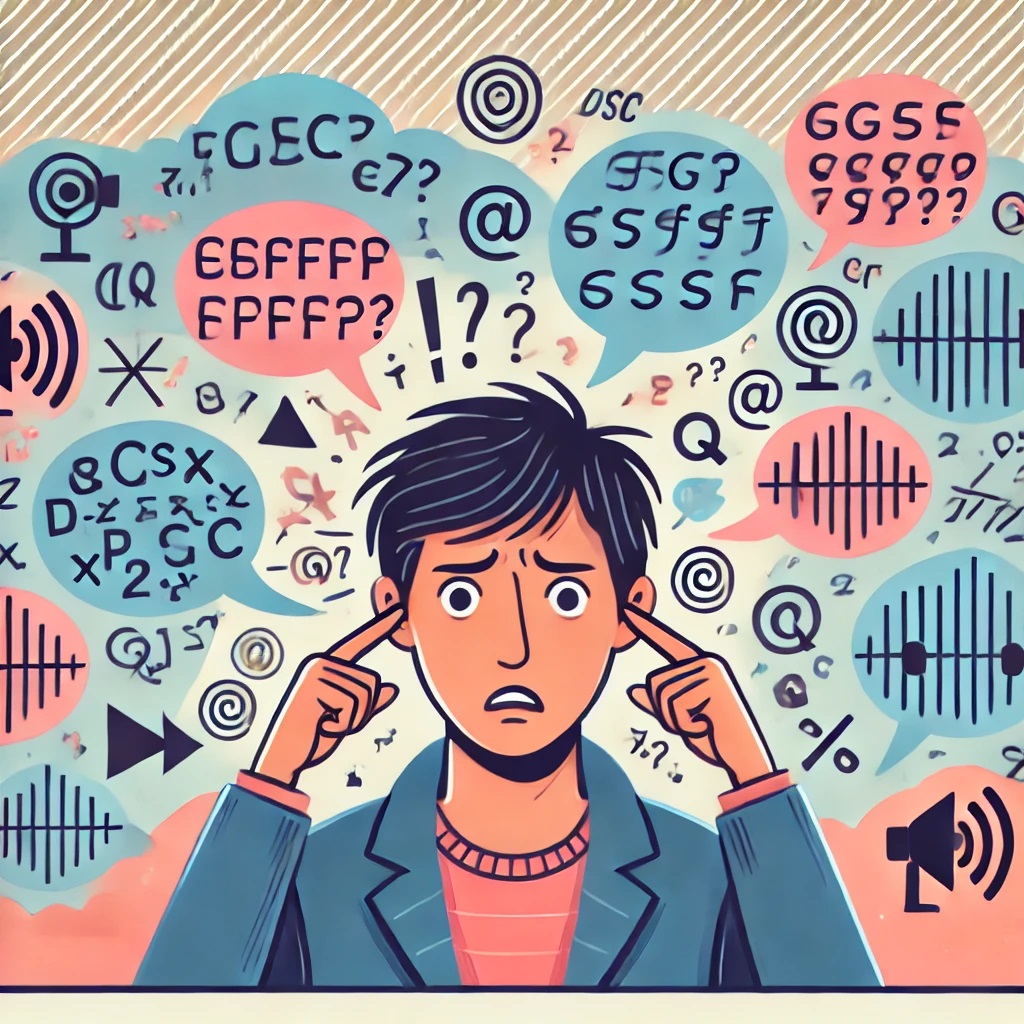
Another sign of ear nerve damage is difficulty understanding speech, even when it’s loud enough.
You may hear people talking but struggle to make out the words clearly, particularly in noisy or crowded environments.
This issue often stems from the brain’s inability to interpret the sound signals it receives from the damaged auditory nerve.
Situations Where This May Occur:
- Struggling to hear on the phone
- Difficulty understanding children or soft-spoken individuals
- Issues with speech clarity, especially in busy places like restaurants
4. Dizziness and Balance Issues
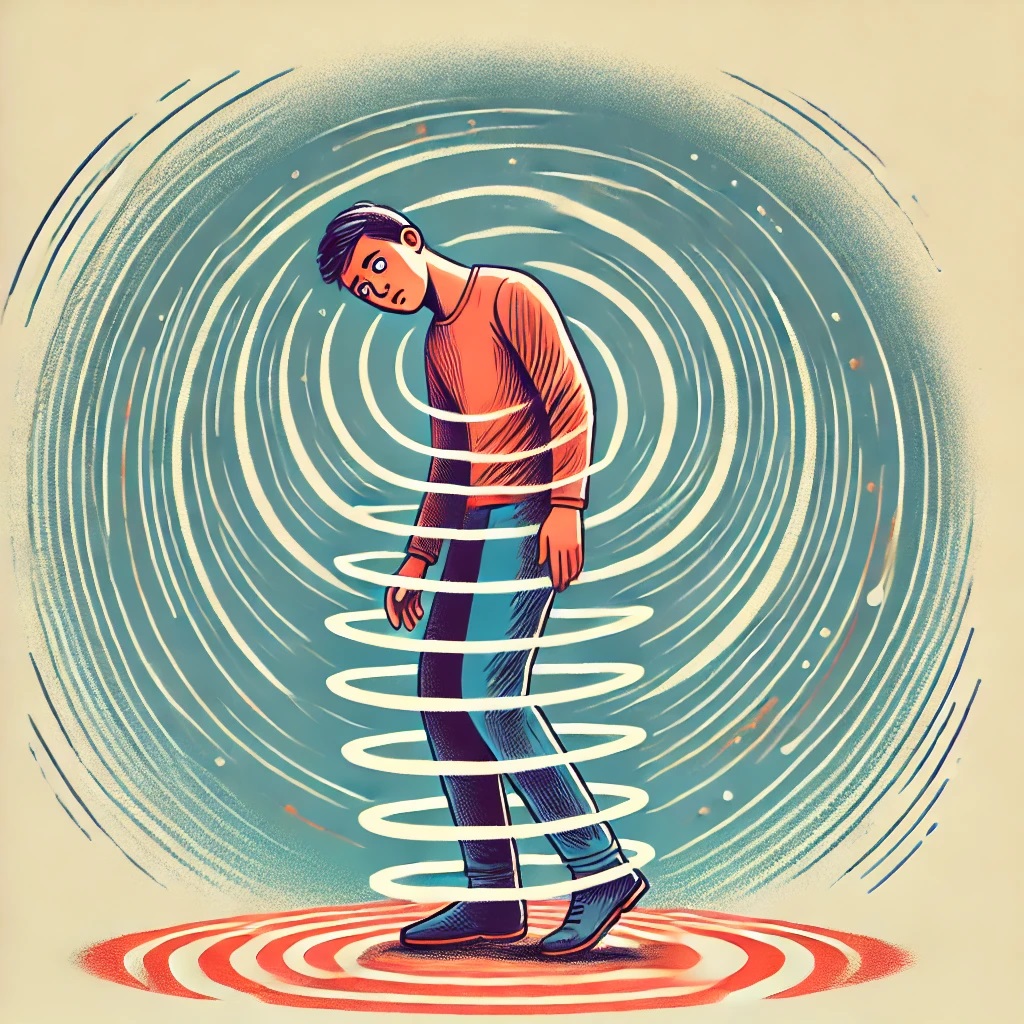
The auditory nerve doesn’t just help you hear—it also plays a key role in maintaining your balance.
Damage to the nerve can lead to vertigo (a sensation of spinning or dizziness) and other balance problems.
This symptom often accompanies ear infections or conditions affecting the inner ear.
Symptoms to Watch For:
- Feeling unsteady when walking or standing
- Sudden dizziness or vertigo
- Difficulty focusing visually due to balance issues
5. Sensitivity to Loud Sounds

Hyperacusis, or sensitivity to loud noises, can also be a sign of ear nerve damage.
Individuals with hyperacusis may find everyday sounds—such as conversations, traffic, or music—painfully loud or overwhelming.
This condition can develop gradually and is often accompanied by other symptoms like tinnitus or hearing loss.
What Causes Ear Nerve Damage?
Several factors can lead to ear nerve damage, including:
1. Aging (Presbycusis)
Age-related hearing loss, or presbycusis, is a common cause of ear nerve damage in older adults. As we age, the hair cells in the inner ear naturally deteriorate, leading to gradual hearing loss and reduced ability to understand speech.
2. Noise Exposure
Exposure to loud sounds—whether from concerts, machinery, or headphones—can damage the hair cells in your inner ear, leading to nerve damage over time. Noise-induced hearing loss is a preventable form of sensorineural hearing loss, but it’s also one of the most common.
3. Infections
Certain infections, such as meningitis or mumps, can affect the inner ear and cause nerve damage. Viral infections, in particular, can lead to inflammation and permanent damage to the auditory nerve.
4. Ototoxic Medications
Some medications are considered ototoxic, meaning they can harm the inner ear and lead to hearing loss. Common ototoxic drugs include certain antibiotics (e.g., gentamicin), chemotherapy agents, and high doses of aspirin. If you’re taking medications known to be ototoxic, monitoring your hearing regularly is important.
5. Head Trauma
Head injuries or trauma that affect the inner ear can cause sensorineural hearing loss. This damage may result from accidents, falls, or sports injuries. Even if hearing loss isn’t immediately apparent, symptoms can develop over time as the auditory nerve sustains damage.
Diagnosing Ear Nerve Damage
If you suspect ear nerve damage, it’s crucial to seek a professional evaluation. An audiologist or ear, nose, and throat (ENT) specialist can perform a variety of tests to determine the extent of the damage and recommend treatment options.
Common Diagnostic Tools:
- Hearing Tests (Audiometry): Measures your ability to hear different sounds and frequencies.
- MRI or CT Scans: Used to assess the inner ear and auditory nerve for structural issues.
- Balance Tests (VNG or ENG): If dizziness or balance problems are present, these tests help evaluate the inner ear’s function.
Treatment Options for Ear Nerve Damage
While sensorineural hearing loss is often permanent, several treatments can help manage the symptoms and improve your hearing ability:
1. Hearing Aids
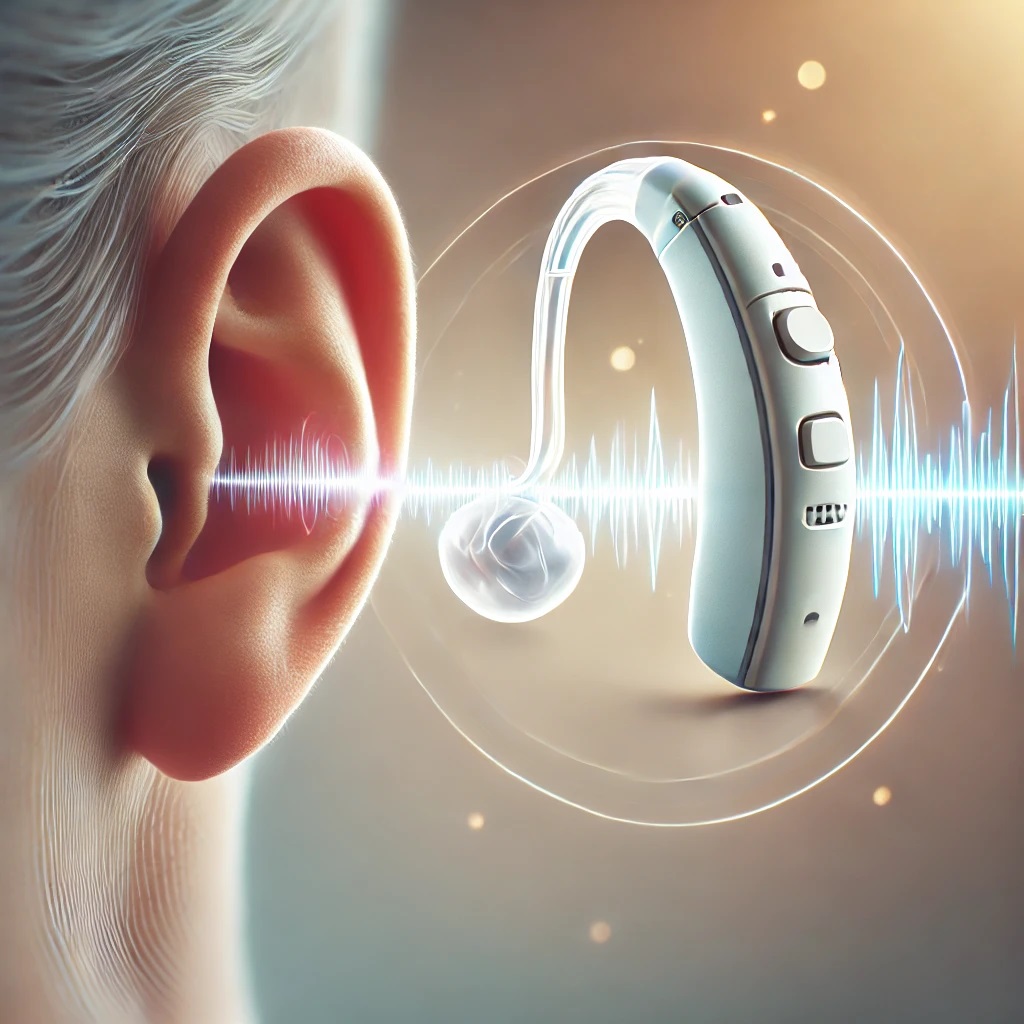
Hearing aids are the most common treatment for mild to moderate sensorineural hearing loss.
They amplify sounds, making it easier to hear and understand speech.
Today’s hearing aids are more advanced, offering features like noise reduction and Bluetooth connectivity.
2. Cochlear Implants

For individuals with severe hearing loss, cochlear implants may be an option.
Unlike hearing aids, which amplify sound, cochlear implants bypass the damaged hair cells in the inner ear and directly stimulate the auditory nerve.
This option is usually recommended for those who no longer benefit from hearing aids.
3. Tinnitus Management

If tinnitus is a symptom of your ear nerve damage, various treatments can help manage the condition.
These may include sound therapy, cognitive behavioral therapy (CBT), and tinnitus retraining therapy (TRT).
These treatments don’t cure tinnitus but can help reduce its impact on your daily life.
4. Assistive Listening Devices

These devices can enhance your hearing in specific situations, such as during phone calls or watching TV.
Many of these devices work alongside your hearing aids to improve sound clarity in challenging listening environments.
Preventing Further Damage
While ear nerve damage is often permanent, there are steps you can take to prevent further hearing loss:
- Protect your ears from loud sounds. Use earplugs or noise-cancelling headphones when exposed to loud environments.
- Limit the use of ototoxic medications. If you’re taking medications known to be ototoxic, talk to your doctor about potential alternatives.
- Schedule regular hearing check-ups. Early detection of hearing loss can help prevent it from worsening.
Conclusion
Ear nerve damage can present a variety of symptoms, from gradual hearing loss to balance issues. Recognizing the early signs is crucial for seeking timely treatment. Whether it’s tinnitus, dizziness, or difficulty understanding speech, don’t ignore these symptoms—consult with a healthcare professional for a proper diagnosis and treatment plan. With the right care, you can manage the symptoms of ear nerve damage and continue to enjoy a fulfilling life.
