
Disclaimer:
The information provided in this article is for educational and informational purposes only. It is not intended as a substitute for professional medical advice, diagnosis, or treatment. Always consult with a qualified healthcare provider if you have any concerns about your hearing or suspect hearing loss. The authors and publishers of this content are not responsible for any adverse effects or consequences resulting from the use of information provided in this article.
Hearing loss is a common issue affecting millions of people worldwide, and its causes can vary greatly.
One of the most prevalent causes, however, is noise-induced hearing loss (NIHL), which occurs due to prolonged exposure to loud noises.
Understanding this cause and how to prevent it is crucial for preserving your hearing health.
What is Noise-Induced Hearing Loss?
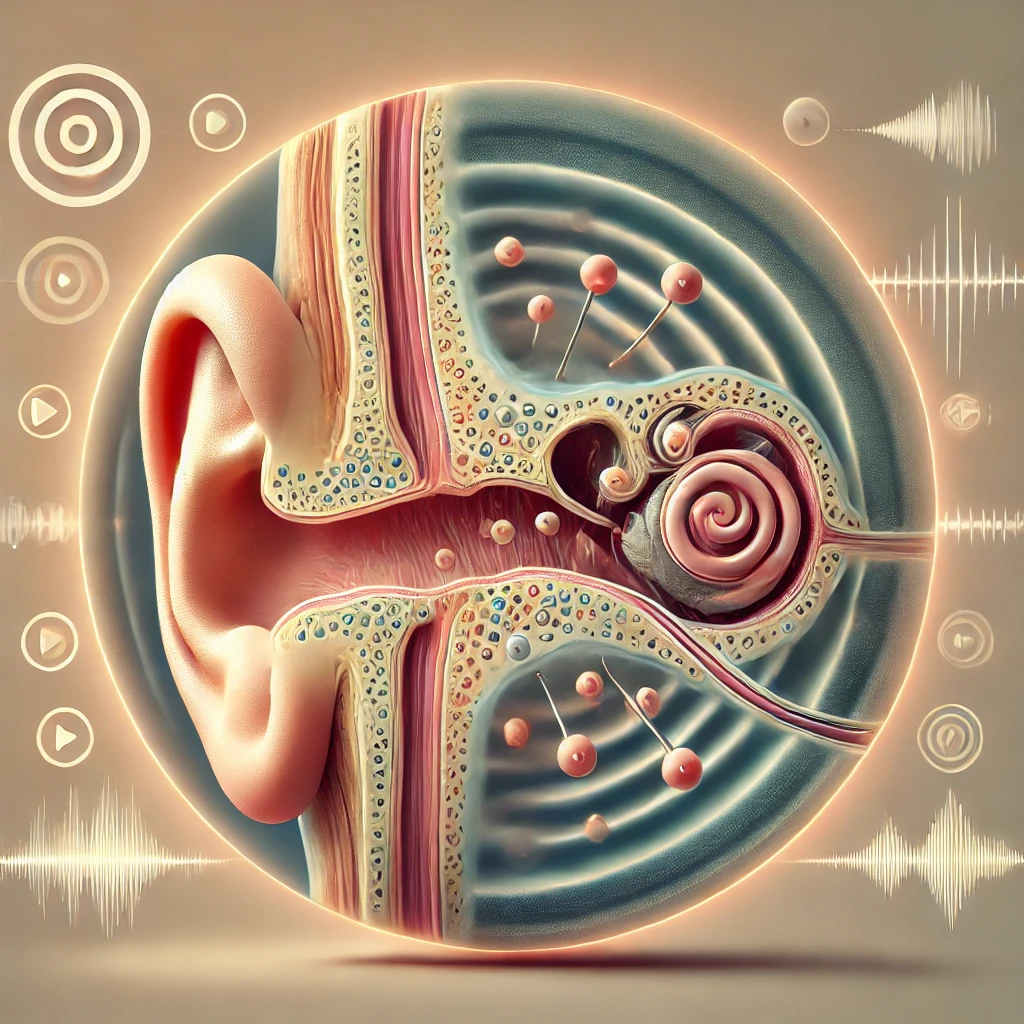
Noise-induced hearing loss is caused by damage to the delicate structures within the ear, specifically the hair cells in the cochlea.
These hair cells are responsible for converting sound waves into electrical signals that the brain interprets as sound.
When exposed to loud sounds for extended periods or sudden, intense noise, these hair cells can become damaged or die. Once damaged, these cells do not regenerate, leading to permanent hearing loss.
Common Sources of Noise-Induced Hearing Loss
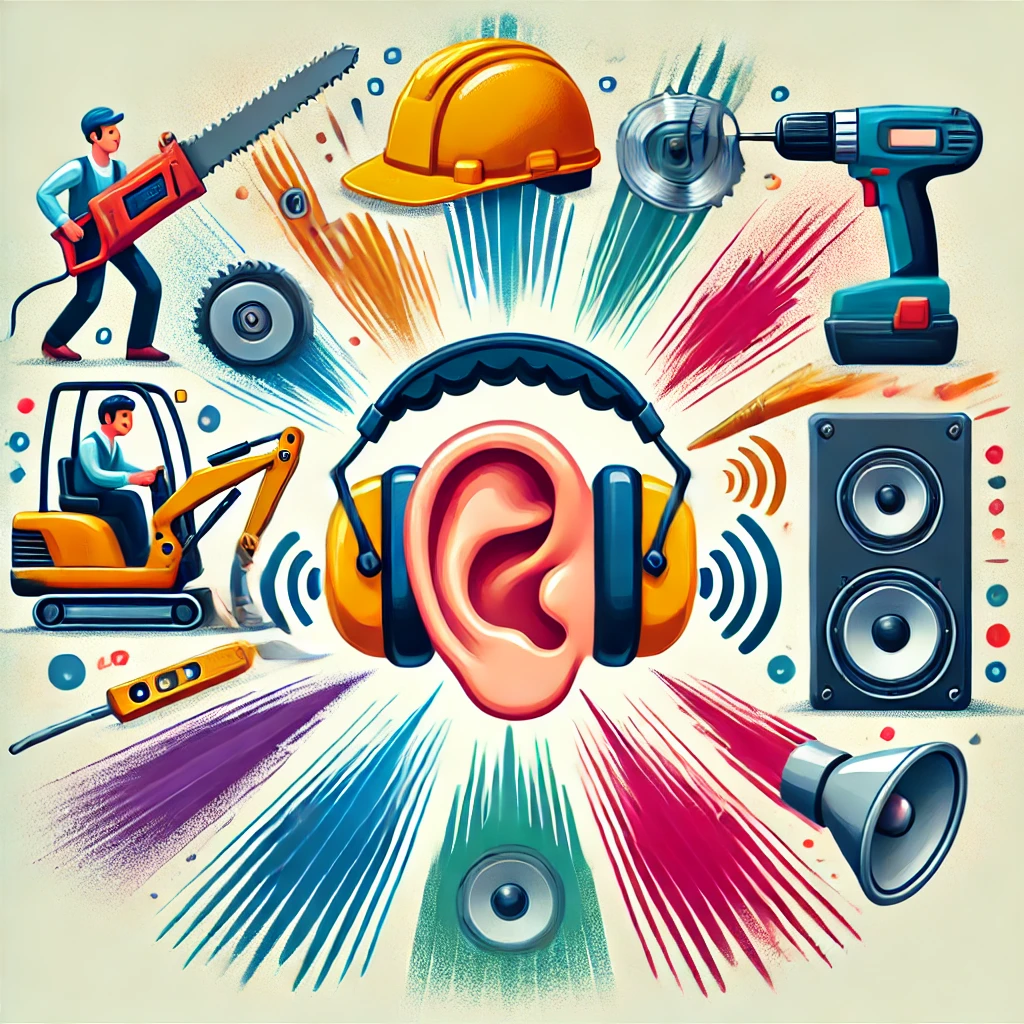
NIHL can stem from both occupational and recreational sources. Some of the most common noise exposures include:
Workplace environments: Jobs in construction, manufacturing, or other industries that involve loud machinery, tools, or environments can significantly contribute to hearing damage.
Music and entertainment: Attending concerts, nightclubs, or listening to music at high volumes through headphones can expose the ears to damaging levels of noise.
Household activities: Common items such as lawnmowers, leaf blowers, and power tools can also produce sounds loud enough to cause harm if used without hearing protection.
Symptoms of Noise-Induced Hearing Loss
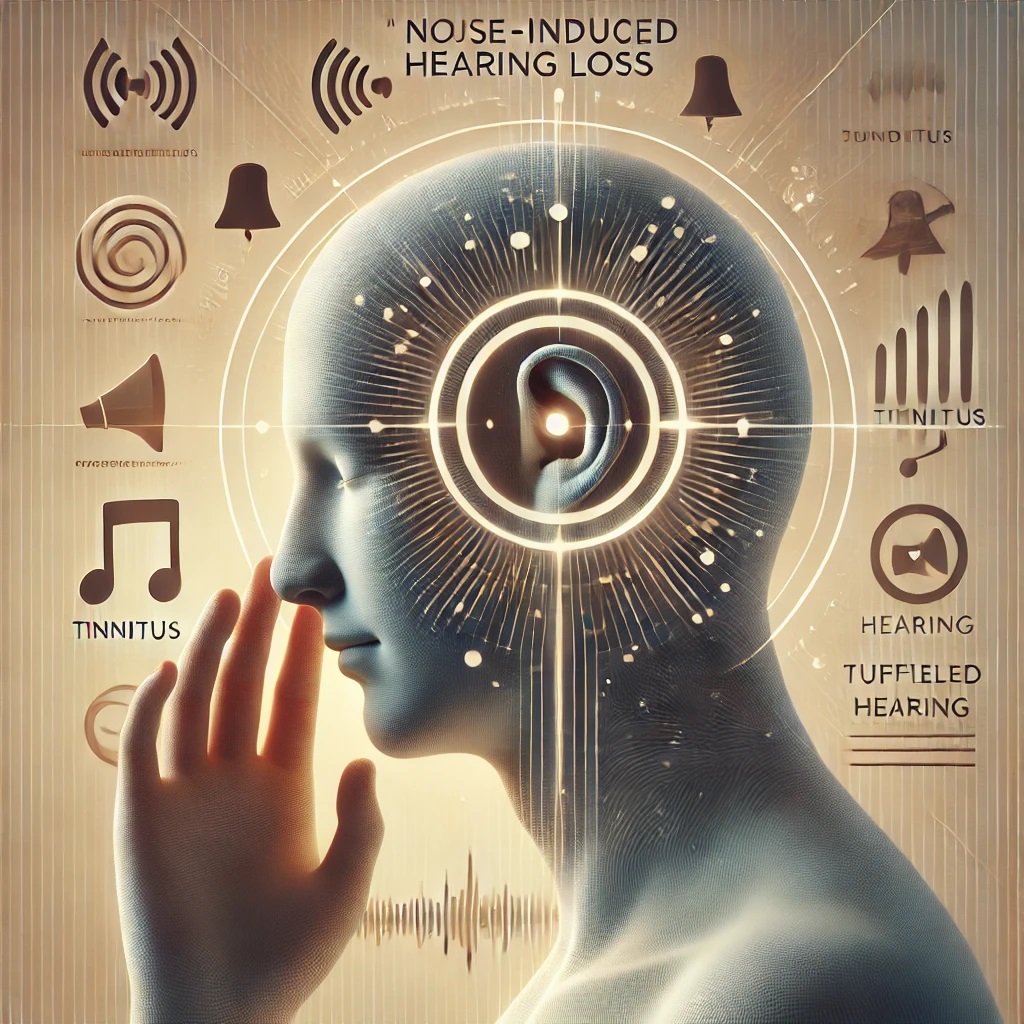
Noise-induced hearing loss typically occurs gradually, making it harder for individuals to notice the symptoms early on. Some key indicators include:
Difficulty hearing conversations, especially in noisy environments
Frequently needing to turn up the volume on electronic devices
Ringing in the ears, also known as tinnitus
Feeling as though people are mumbling or that sounds are muffled
Prevention of Noise-Induced Hearing Loss
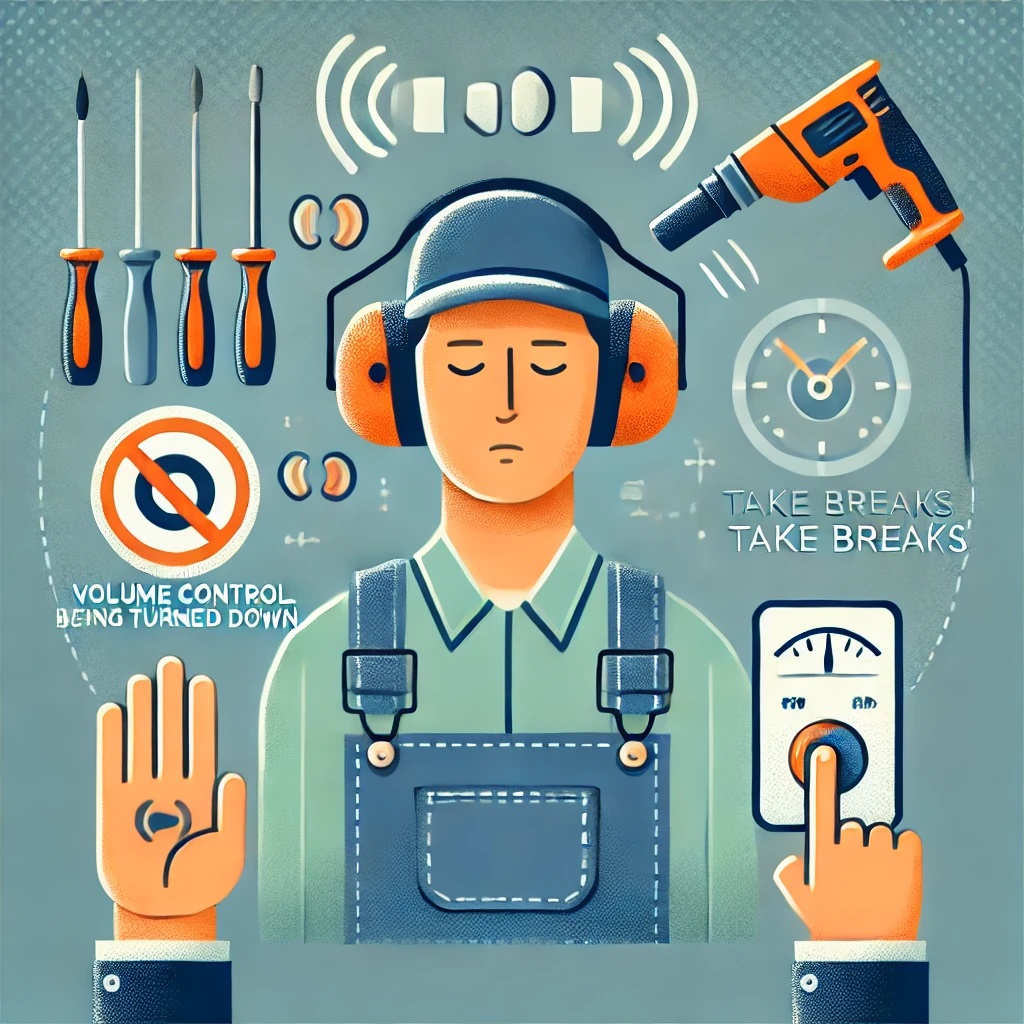
The good news is that NIHL is preventable. By taking proactive steps to protect your ears, you can significantly reduce your risk of hearing loss. Here are a few essential tips:
Wear hearing protection: Use earplugs or earmuffs in noisy environments, whether at work or during recreational activities.
Lower the volume: Be mindful of how loud your music or devices are. A general rule of thumb is to keep the volume at 60% of the maximum and avoid listening for extended periods.
Limit exposure: Give your ears time to rest after exposure to loud environments. Frequent breaks can help minimize the damage to your hearing over time.
Be aware of your surroundings: Recognize when you’re in a potentially harmful sound environment and take immediate action to protect your ears.
Other Causes of Hearing Loss
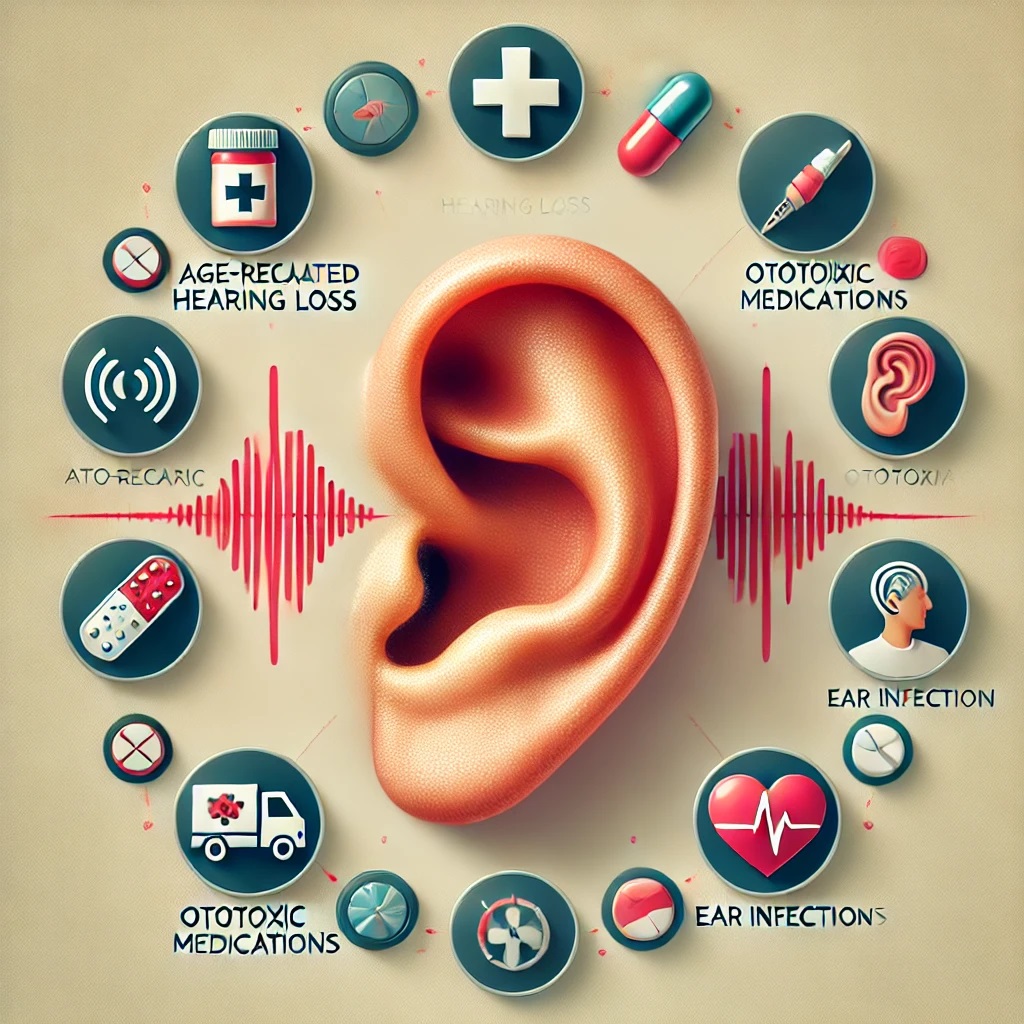
While noise-induced hearing loss is the most common preventable cause, it’s not the only one.
Age-related hearing loss, known as presbycusis, is another frequent cause, typically beginning around the age of 60.
Medical conditions such as ear infections, ototoxic medications, and genetic predispositions can also lead to hearing loss.
Conclusion
The most common cause of hearing loss, noise-induced hearing loss, is largely preventable. By understanding the risks and taking proper precautions, you can protect your hearing for years to come. Whether at work, during leisure activities, or at home, being mindful of the noises around you can make a significant difference in preserving your hearing health.
