
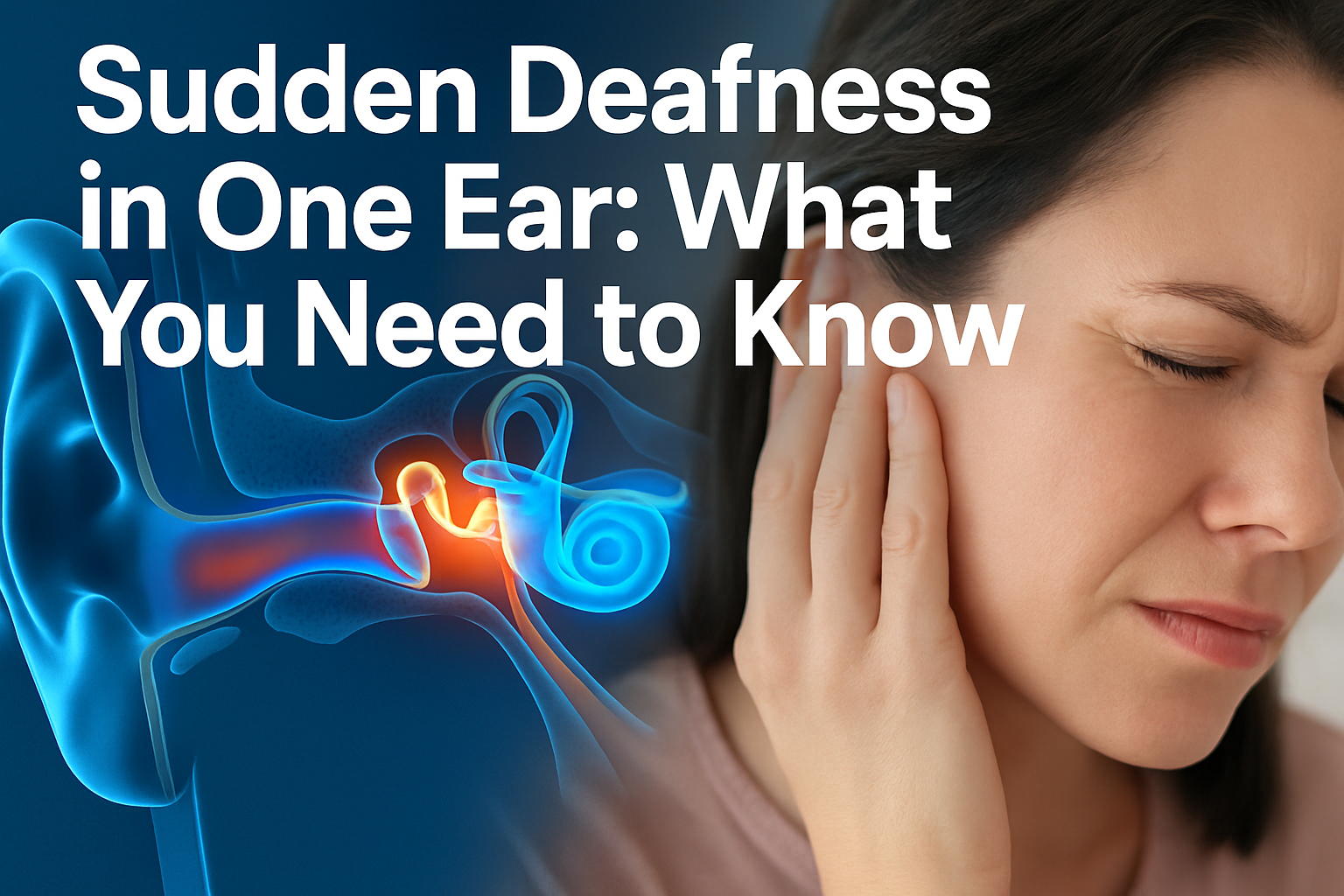
Imagine waking up one morning and realizing that the world sounds completely different—not because of a stuffy nose or water in your ear, but because you’ve suddenly lost hearing in one ear. This frightening experience happens to thousands of people every year, often without warning. Sudden deafness in one ear, medically known as sudden sensorineural hearing loss (SSNHL), is a serious condition that requires immediate medical attention. Unlike gradual hearing loss that develops over time, this condition strikes quickly, sometimes in a matter of hours, leaving people confused, scared, and searching for answers.
Understanding what sudden deafness in one ear means, why it happens, and what to do about it can make the difference between recovery and permanent hearing loss. This comprehensive guide will walk you through everything you need to know about this medical emergency, from recognizing the symptoms to exploring treatment options and recovery expectations.
Key Takeaways
- ⏰ Sudden deafness in one ear is a medical emergency that requires treatment within 72 hours for the best chance of recovery
- 🔍 Most cases have no identifiable cause, though viral infections, circulatory problems, and autoimmune disorders are common suspects
- 💊 Corticosteroids are the primary treatment, often administered as pills or injections directly into the ear
- 📊 Recovery rates vary widely, with approximately one-third of patients recovering completely, one-third improving partially, and one-third experiencing permanent hearing loss
- 🏥 Immediate medical evaluation is critical—don’t wait to see if symptoms improve on their own
What Is Sudden Deafness in One Ear?
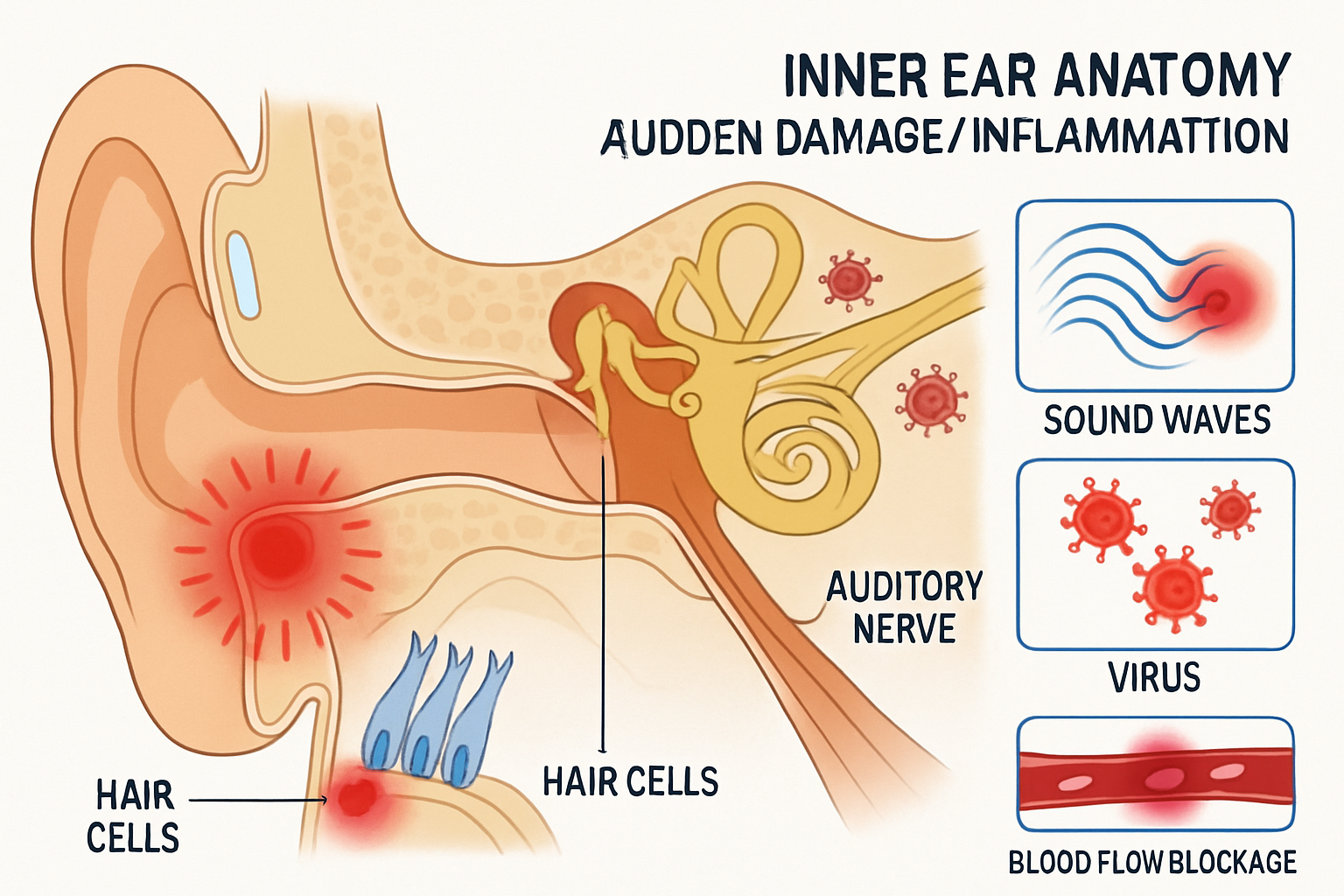
Sudden deafness in one ear, or sudden sensorineural hearing loss (SSNHL), is defined as a rapid loss of hearing that occurs over 72 hours or less. The condition typically affects only one ear, though in rare cases, both ears can be involved. The hearing loss must be at least 30 decibels across three connected frequencies to meet the clinical definition [1].
To put this in perspective, 30 decibels is roughly the difference between a whisper and normal conversation. People experiencing this condition often describe it as suddenly feeling like their ear is “plugged” or “full,” similar to the sensation of being underwater or at high altitude.
How Common Is This Condition?
Sudden deafness in one ear affects approximately 5 to 27 people per 100,000 annually, though the actual number may be higher since some cases go unreported or resolve spontaneously before medical care is sought [2]. The condition can strike anyone at any age, but it most commonly occurs in adults between 40 and 60 years old.
The Science Behind the Sudden Loss
The inner ear contains thousands of tiny hair cells that convert sound vibrations into electrical signals your brain interprets as sound. When sudden deafness in one ear occurs, something disrupts this delicate system. The damage typically happens in the cochlea (the snail-shaped hearing organ) or along the auditory nerve pathway.
Unlike conductive hearing loss, which involves problems with the outer or middle ear (like earwax buildup or ear infections), sudden sensorineural hearing loss affects the inner ear’s nerve pathways. This distinction is crucial because it determines both the urgency of treatment and the approach doctors will take.
For more information about different types of hearing loss, visit our comprehensive guide on hearing loss symptoms.
Recognizing the Symptoms of Sudden Deafness in One Ear
Identifying sudden deafness in one ear quickly is essential for getting timely treatment. While the primary symptom is obvious—a sudden reduction or complete loss of hearing in one ear—several accompanying signs can help you recognize this medical emergency.
Primary Warning Signs
Immediate Hearing Loss 🔇
The hallmark symptom is a rapid decrease in hearing ability that develops within hours or overnight. Many people first notice it when they wake up in the morning or when they try to use the phone with their affected ear.
Ear Fullness or Pressure
About 90% of people with sudden deafness in one ear report a feeling of fullness or pressure in the affected ear, similar to the sensation of having water trapped inside [3].
Tinnitus (Ringing in the Ear) 🔔
Approximately 70% of patients experience tinnitus—hearing ringing, buzzing, hissing, or roaring sounds that aren’t actually present in the environment. This symptom can be particularly distressing and may persist even after hearing improves. Learn more about understanding tinnitus and seeking relief.
Dizziness or Vertigo
Nearly half of all people with sudden deafness in one ear experience dizziness or vertigo because the inner ear also controls balance. This symptom can range from mild unsteadiness to severe spinning sensations.
What Sudden Deafness Does NOT Feel Like
It’s equally important to understand what sudden deafness in one ear is not:
- ❌ It’s not a gradual decline over weeks or months
- ❌ It’s not accompanied by severe pain (though mild discomfort may occur)
- ❌ It’s not caused by visible ear drainage or infection symptoms
- ❌ It’s not the muffled hearing you get from a cold or sinus congestion
The “Pop” That Changes Everything
Many patients report hearing a distinct “pop” sound in their ear immediately before noticing the hearing loss. This sound may signal the moment when damage occurs to the inner ear structures. If you experience this along with sudden hearing changes, seek medical care immediately.
“I was on the phone when I heard a loud pop in my right ear. Suddenly, everything on that side sounded like I was underwater. I thought it would clear up, but it didn’t. I wish I’d gone to the doctor that same day instead of waiting three days.” — Common patient experience
What Causes Sudden Deafness in One Ear?
Understanding the causes of sudden deafness in one ear can be frustrating because, in approximately 85-90% of cases, doctors cannot identify a specific cause [4]. This is called “idiopathic” sudden sensorineural hearing loss. However, researchers have identified several potential culprits that may trigger this condition.
Viral Infections
Viral infections are among the most suspected causes of sudden deafness in one ear, even when patients don’t remember being sick. Common viruses that may affect hearing include:
- Herpes viruses (including the virus that causes shingles)
- Influenza (flu virus)
- Cytomegalovirus (CMV)
- Mumps virus
- Measles virus
- Epstein-Barr virus (causes mononucleosis)
These viruses may directly damage the inner ear structures or trigger inflammation that disrupts hearing function. For more details on various causes, explore our article on causes of hearing loss in one ear.
Circulatory Problems
The inner ear requires a constant supply of oxygen-rich blood to function properly. Any disruption to blood flow can cause sudden hearing loss:
- Blood clots in the tiny vessels supplying the inner ear
- Vascular disease affecting circulation
- Stroke affecting the auditory pathways
- Atherosclerosis (hardening of the arteries)
People with cardiovascular risk factors like high blood pressure, diabetes, or high cholesterol may face increased risk.
Autoimmune Disorders
Sometimes the body’s immune system mistakenly attacks the inner ear, treating it as a foreign invader. Autoimmune inner ear disease (AIED) can cause sudden or rapidly progressive hearing loss. Conditions associated with this include:
- Lupus
- Rheumatoid arthritis
- Sjögren’s syndrome
- Cogan’s syndrome
Physical Trauma and Pressure Changes
Physical damage to the ear can trigger sudden hearing loss:
- Head injuries affecting the temporal bone
- Acoustic trauma from extremely loud noises
- Barotrauma from rapid pressure changes (diving, flying)
- Perilymphatic fistula (tear in the membrane between middle and inner ear)
Ototoxic Medications
Certain medications can damage the inner ear, though this typically happens with prolonged use rather than suddenly:
- Some antibiotics (particularly aminoglycosides)
- High-dose aspirin
- Certain chemotherapy drugs
- Loop diuretics
Other Potential Causes
Additional factors that may contribute to sudden deafness in one ear include:
- Meniere’s disease (inner ear disorder causing hearing loss and vertigo)
- Acoustic neuroma (benign tumor on the hearing nerve)
- Multiple sclerosis (affecting nerve pathways)
- Metabolic disorders (diabetes, thyroid problems)
Understanding these potential causes helps doctors determine the best treatment approach and identify any underlying conditions that need attention. To learn more about ear-related issues, read about causes for ear ringing.
Diagnosing Sudden Deafness in One Ear
When you visit a doctor for sudden deafness in one ear, they’ll perform a comprehensive evaluation to confirm the diagnosis, rule out other conditions, and identify any underlying causes. Time is critical, so these tests are typically conducted quickly.
Initial Medical Examination
Medical History Review 📋
Your doctor will ask detailed questions about:
- When the hearing loss started and how quickly it developed
- Whether you experienced any preceding illness or injury
- Current medications you’re taking
- Previous ear problems or hearing issues
- Recent exposure to loud noises
- Associated symptoms like dizziness or tinnitus
Physical Examination
The doctor will examine your ears using an otoscope to check for:
- Earwax blockage
- Fluid in the middle ear
- Eardrum perforation
- Signs of infection
Hearing Tests (Audiometry)
Pure Tone Audiometry
This is the gold standard for diagnosing sudden deafness in one ear. You’ll sit in a soundproof booth wearing headphones while listening to tones at different frequencies and volumes. The test measures:
- The softest sounds you can hear at various frequencies
- The degree of hearing loss (mild, moderate, severe, or profound)
- Which frequencies are most affected
Speech Audiometry
This test evaluates how well you understand speech at different volumes, helping determine how the hearing loss affects daily communication.
Tympanometry
This quick test measures how your eardrum responds to pressure changes, helping rule out middle ear problems like fluid buildup or eustachian tube dysfunction.
Advanced Diagnostic Tests
Auditory Brainstem Response (ABR)
This test measures how your auditory nerve and brainstem respond to sound. Electrodes placed on your head detect electrical activity along the hearing pathway. It’s particularly useful for:
- Distinguishing between cochlear and nerve-related problems
- Detecting acoustic neuromas
- Assessing the severity of nerve damage
Magnetic Resonance Imaging (MRI)
An MRI scan may be ordered to:
- Rule out acoustic neuroma (tumor on the hearing nerve)
- Check for stroke or other brain abnormalities
- Identify structural problems in the inner ear
- Detect multiple sclerosis or other neurological conditions
Blood Tests
Laboratory tests can help identify underlying conditions:
- Complete blood count (checking for infection or immune problems)
- Autoimmune markers (if autoimmune disease is suspected)
- Thyroid function tests
- Blood sugar levels
- Cholesterol and lipid panels
- Tests for specific infections (Lyme disease, syphilis)
Differential Diagnosis
Your doctor must rule out other conditions that can mimic sudden deafness in one ear:
| Condition | Key Distinguishing Features |
|---|---|
| Earwax Impaction | Visible blockage, easily removed, immediate improvement |
| Middle Ear Infection | Pain, fever, visible inflammation on examination |
| Acoustic Neuroma | Gradual onset (usually), abnormal MRI findings |
| Meniere’s Disease | Recurring episodes, severe vertigo, fluctuating hearing |
| Eustachian Tube Dysfunction | Improves with swallowing, pressure changes, normal audiometry |
For additional information on nerve-related hearing problems, check out our guide on symptoms of ear nerve damage.
Treatment Options for Sudden Deafness in One Ear
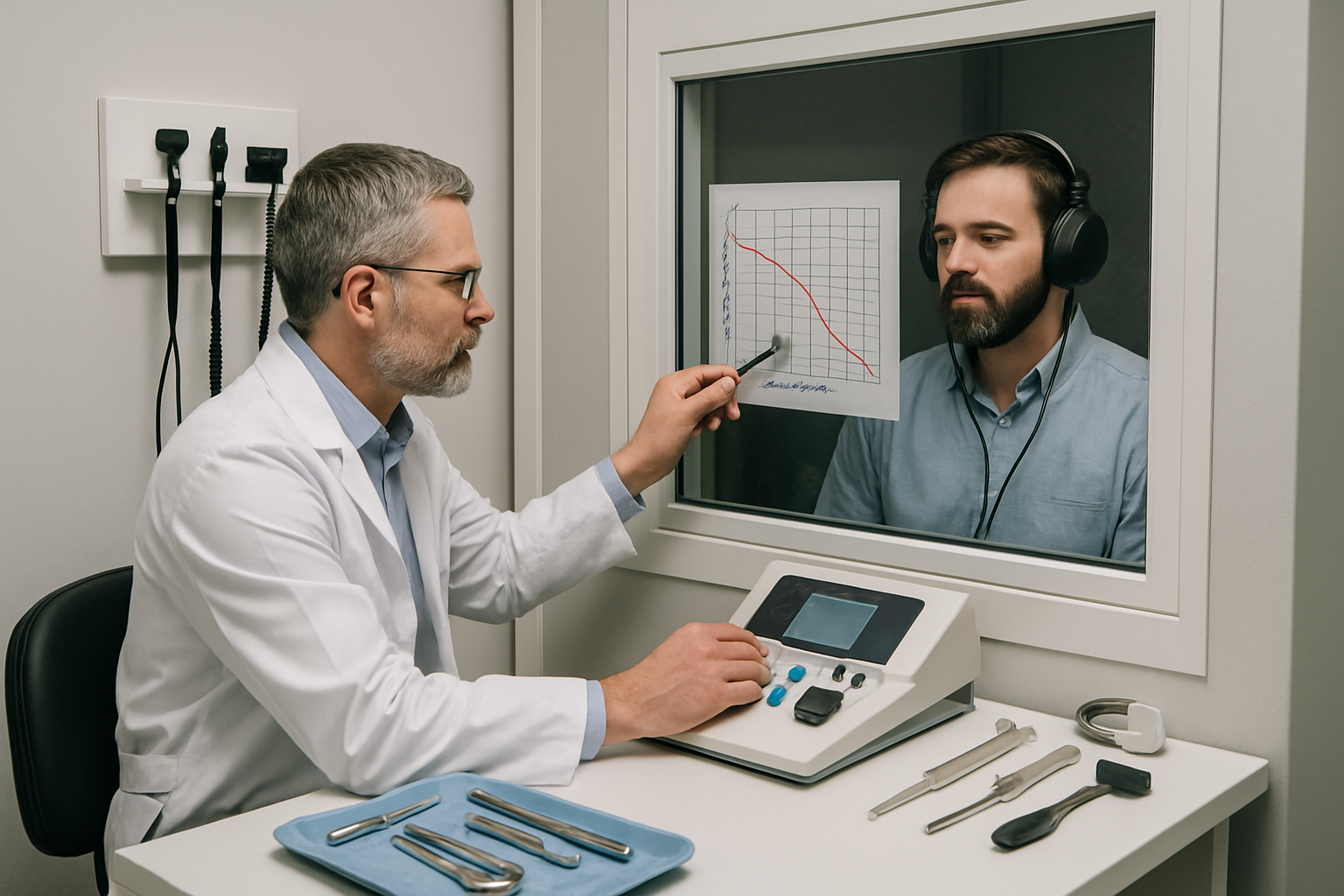
Time is of the essence when treating sudden deafness in one ear. The sooner treatment begins—ideally within 72 hours of symptom onset—the better the chances of recovery [5]. While some people recover spontaneously without treatment, waiting to see if this happens can significantly reduce your chances of regaining hearing.
Primary Treatment: Corticosteroids
Oral Corticosteroids 💊
Corticosteroids are the first-line treatment for sudden deafness in one ear. These powerful anti-inflammatory medications work by:
- Reducing inflammation in the inner ear
- Decreasing swelling that may be compressing delicate structures
- Suppressing potential autoimmune reactions
- Improving blood flow to the inner ear
Typical oral corticosteroid regimen:
- High-dose prednisone (usually 60mg daily)
- Treatment duration: 10-14 days
- Gradual tapering to prevent side effects
Intratympanic Steroid Injections
When oral steroids aren’t effective or can’t be used due to medical conditions (like diabetes or severe hypertension), doctors may inject corticosteroids directly through the eardrum into the middle ear. This approach:
- Delivers medication directly to the inner ear
- Minimizes systemic side effects
- Can be used as initial treatment or rescue therapy
- Typically requires 3-4 injections over 1-2 weeks
“The injection sounds scary, but it’s actually not that bad. My doctor numbed my eardrum first, and I felt mostly pressure rather than pain. After three injections, my hearing improved from severe loss to moderate loss—a huge improvement!” — Patient testimonial
Antiviral Medications
When a viral infection is suspected, doctors may prescribe antiviral medications alongside corticosteroids. Common antivirals include:
- Acyclovir
- Valacyclovir
- Famciclovir
Important note: The effectiveness of antiviral therapy for sudden deafness remains controversial, with mixed research results. However, some doctors prescribe them when viral infection seems likely.
Hyperbaric Oxygen Therapy (HBOT)
Hyperbaric oxygen therapy involves breathing pure oxygen in a pressurized chamber. The theory is that increased oxygen delivery to the inner ear may:
- Promote healing of damaged tissue
- Reduce inflammation
- Improve recovery outcomes
Treatment protocol:
- Sessions lasting 90-120 minutes
- Daily treatments for 10-20 days
- Used alongside corticosteroid therapy
Research shows mixed results, but HBOT may be beneficial when started early and used in combination with steroids [6].
Additional Treatment Approaches
Vasodilators
Medications that improve blood flow to the inner ear, though evidence for their effectiveness is limited.
Diuretics
Sometimes prescribed when Meniere’s disease is suspected, to reduce fluid buildup in the inner ear.
Anticoagulants
Blood thinners may be used if a blood clot is suspected, though this is controversial and not standard practice.
What About Natural Remedies?
While some people seek natural approaches, sudden deafness in one ear is too serious to rely solely on alternative treatments. However, certain supportive measures may help:
- Ginkgo biloba: Some studies suggest it may improve circulation to the inner ear
- Vitamin therapy: B vitamins, magnesium, and antioxidants may support nerve health
- Stress reduction: Managing stress supports overall healing
For more information on complementary approaches, see our article on natural remedies for tinnitus.
⚠️ Critical Warning: Never delay conventional medical treatment in favor of natural remedies. The window for effective treatment is narrow, and permanent hearing loss may result from delays.
Treatment for Underlying Conditions
If testing reveals a specific cause, treatment will target that condition:
- Autoimmune disorders: Immunosuppressive medications
- Bacterial infections: Antibiotics
- Acoustic neuroma: Surgery or radiation therapy
- Vascular problems: Blood pressure management, anticoagulation
When Initial Treatment Doesn’t Work
If hearing doesn’t improve after initial treatment, options include:
- Salvage therapy: Additional intratympanic steroid injections
- Hearing aids: For persistent hearing loss
- Cochlear implants: For severe to profound hearing loss
- Assistive listening devices: To improve communication
For information on hearing support options, explore our guide on hearing support supplements.
Prognosis and Recovery: What to Expect
Understanding what to expect after experiencing sudden deafness in one ear can help you set realistic goals and make informed decisions about your care. Recovery varies widely from person to person, and several factors influence outcomes.
Recovery Statistics
Research shows that recovery from sudden deafness in one ear follows a general pattern [7]:
- 32-65% of patients experience some degree of spontaneous recovery (even without treatment)
- Approximately one-third recover completely or nearly completely
- One-third show partial improvement
- One-third experience little to no recovery
With treatment, recovery rates improve, particularly when corticosteroids are started within 72 hours of symptom onset.
Factors That Influence Recovery
Timing of Treatment ⏱️
The most critical factor is how quickly treatment begins:
- Treatment within 72 hours: Best outcomes
- Treatment after 1 week: Reduced effectiveness
- Treatment after 2 weeks: Minimal benefit
Severity of Initial Hearing Loss
People with milder initial hearing loss tend to recover better than those with profound loss. If you can still hear some sounds in the affected ear, your prognosis is generally better.
Age
Younger patients typically have better recovery rates than older adults, though sudden deafness in one ear can improve at any age.
Presence of Vertigo
Patients who experience severe dizziness or vertigo alongside hearing loss tend to have poorer recovery outcomes.
Audiogram Pattern
The pattern of hearing loss on your audiogram provides clues:
- Low-frequency loss: Better prognosis
- High-frequency loss: Moderate prognosis
- Flat loss across all frequencies: Poorer prognosis
- Complete loss: Poorest prognosis
Timeline for Recovery
Week 1-2: Critical Treatment Period
This is when most active treatment occurs. You may notice:
- Gradual improvement in hearing
- Reduction in ear fullness
- Changes in tinnitus intensity
- Improvement in balance issues
Weeks 3-4: Stabilization
Hearing typically stabilizes during this period. Most recovery that will occur happens within the first month.
Months 2-3: Final Assessment
By three months, your hearing has likely reached its final level. Additional improvement after this point is rare but possible.
Long-term Considerations
Even if hearing doesn’t fully recover:
- The brain adapts to one-sided hearing over time
- Tinnitus often becomes less bothersome
- Balance issues typically resolve
- Assistive devices can significantly improve quality of life
Living with Permanent Hearing Loss in One Ear
If sudden deafness in one ear results in permanent hearing loss, you’ll need to adapt to new challenges:
Directional Hearing Difficulties 🎯
With only one functioning ear, it becomes harder to:
- Locate where sounds are coming from
- Understand speech in noisy environments
- Hear people speaking from your affected side
Solutions include:
- Positioning yourself so your good ear faces speakers
- Using hearing aids or CROS (Contralateral Routing of Signal) devices
- Implementing communication strategies
Safety Concerns
One-sided hearing loss can affect:
- Awareness of approaching vehicles
- Ability to hear alarms or warnings
- Balance and spatial awareness
For comprehensive information on managing one-sided hearing loss, visit our detailed guide on hearing loss in one ear.
Emotional and Psychological Impact
Sudden deafness in one ear can be emotionally challenging:
- Anxiety about permanent disability
- Depression related to communication difficulties
- Social isolation from avoiding difficult listening situations
- Frustration with treatment outcomes
Support strategies:
- Counseling or therapy
- Support groups for people with hearing loss
- Education about adaptive strategies
- Patience with yourself during adjustment
Monitoring for Recurrence
While rare, sudden deafness can occasionally affect the other ear. Warning signs to watch for:
- Sudden hearing changes in either ear
- New onset of tinnitus
- Unexplained dizziness
- Feeling of ear fullness
Protective measures:
- Regular hearing checks
- Prompt treatment of infections
- Managing cardiovascular risk factors
- Protecting ears from loud noise
Prevention and Risk Reduction Strategies
While you can’t prevent all cases of sudden deafness in one ear—especially since most have no identifiable cause—you can take steps to reduce your risk and protect your overall hearing health.
Protect Your Ears from Noise Damage
Avoid Excessive Noise Exposure 🔊
Prolonged exposure to loud sounds can damage the delicate hair cells in your inner ear:
- Keep volume at 60% or less when using headphones
- Take listening breaks every hour
- Use noise-canceling headphones to avoid turning up volume in noisy environments
- Limit time in loud venues (concerts, sporting events, nightclubs)
Use Hearing Protection
Wear earplugs or earmuffs when:
- Operating loud machinery
- Attending concerts or loud events
- Shooting firearms
- Using power tools
- Mowing the lawn
For more on protecting your hearing, read about understanding hearing damage.
Manage Cardiovascular Health
Since circulatory problems can contribute to sudden deafness in one ear, maintaining heart and blood vessel health is crucial:
Control Blood Pressure 💓
- Monitor regularly
- Take prescribed medications
- Reduce sodium intake
- Exercise regularly
Manage Cholesterol
- Eat a heart-healthy diet
- Exercise regularly
- Take statins if prescribed
- Get regular cholesterol checks
Control Diabetes
- Maintain healthy blood sugar levels
- Follow your treatment plan
- Monitor for complications
- Schedule regular check-ups
Don’t Smoke
Smoking damages blood vessels throughout the body, including those supplying the inner ear. Quitting smoking reduces your risk of many health problems, including hearing loss.
Prevent and Treat Infections Promptly
Practice Good Hygiene
- Wash hands frequently
- Avoid close contact with sick people
- Get recommended vaccinations (flu, COVID-19, measles, mumps)
Treat Ear Infections Quickly
Don’t ignore ear pain, drainage, or pressure. Prompt treatment can prevent complications.
Manage Chronic Conditions
Autoimmune disorders and other chronic conditions should be well-controlled to reduce the risk of sudden hearing complications.
Be Cautious with Medications
Know Which Medications Can Affect Hearing
Ask your doctor about potential hearing effects of:
- New prescriptions
- High-dose aspirin
- Certain antibiotics
- Chemotherapy drugs
Report Hearing Changes Immediately
If you notice hearing changes after starting a new medication, contact your doctor right away.
Lifestyle Factors for Ear Health
Stay Hydrated 💧
Proper hydration supports healthy circulation, including blood flow to the inner ear.
Eat a Nutritious Diet
Foods rich in:
- Omega-3 fatty acids (fish, walnuts, flaxseed)
- Antioxidants (berries, leafy greens, nuts)
- Vitamins A, C, and E (fruits, vegetables)
- Magnesium (spinach, almonds, avocados)
- Zinc (oysters, beef, beans)
Exercise Regularly
Physical activity improves circulation throughout the body, including to the ears.
Manage Stress
Chronic stress can affect immune function and circulation. Practice:
- Meditation or mindfulness
- Regular exercise
- Adequate sleep
- Stress-reduction techniques
Know Your Risk Factors
Be especially vigilant if you have:
- Family history of sudden hearing loss
- Autoimmune disorders
- Cardiovascular disease
- Diabetes
- History of ear problems
For seniors facing hearing challenges, our article on effective hearing health strategies for seniors offers valuable insights.
Regular Hearing Monitoring
Schedule Baseline Hearing Tests
Even if you have normal hearing, establishing a baseline helps detect changes early.
Get Annual Hearing Checks If You’re At Risk
People over 50 or those with risk factors should have yearly hearing evaluations.
Use Smartphone Apps
Several apps can help you monitor your hearing between professional evaluations, though they shouldn’t replace medical testing.
What to Do If You Experience Warning Signs
Act Immediately If You Notice:
- Sudden hearing loss in one or both ears
- Sudden onset of tinnitus
- Unexplained dizziness or vertigo
- Feeling of ear fullness that doesn’t resolve
Don’t wait to see if symptoms improve. Contact your doctor or visit an emergency room right away. Remember: the 72-hour window for optimal treatment is critical.
When to Seek Emergency Medical Care
Sudden deafness in one ear is a medical emergency that requires immediate attention. Understanding when and how to seek care can make the difference between recovery and permanent hearing loss.
Red Flag Symptoms Requiring Immediate Care 🚨
Seek emergency medical attention if you experience:
Sudden Hearing Loss
Any rapid decrease in hearing (over hours or overnight) requires immediate evaluation, even if:
- It’s only in one ear
- You can still hear some sounds
- It doesn’t hurt
- You think it might be earwax
Sudden Hearing Loss Plus:
- Severe headache (could indicate stroke)
- Facial weakness or drooping (stroke warning)
- Difficulty speaking or understanding speech (neurological emergency)
- Severe vertigo with vomiting (inner ear emergency)
- Loss of consciousness (serious neurological problem)
- Facial numbness or tingling (possible stroke)
Where to Go for Care
Emergency Room vs. ENT Specialist
For sudden deafness in one ear, you have options:
Go to the Emergency Room if:
- Symptoms occur after hours or on weekends
- You have concerning neurological symptoms
- You can’t reach an ENT specialist quickly
- You’re experiencing severe vertigo
Contact an ENT (Ear, Nose, and Throat) Specialist if:
- Symptoms occur during business hours
- You can get an appointment within 24 hours
- You have no other concerning symptoms
- Your primary care doctor refers you
Call Your Primary Care Doctor first if:
- You’re unsure whether it’s an emergency
- You need a referral to a specialist
- You want guidance on next steps
What NOT to Do
❌ Don’t Wait and See
The most common mistake people make is waiting to see if symptoms improve on their own. While spontaneous recovery can occur, waiting reduces your chances of successful treatment.
❌ Don’t Try Home Remedies First
Sudden deafness in one ear is not the time for home treatments. Seek professional medical care immediately.
❌ Don’t Assume It’s Earwax
While earwax can cause hearing loss, sudden onset is more likely to be serious. Let a doctor make the diagnosis.
❌ Don’t Delay Because You Feel Fine Otherwise
The absence of pain or other symptoms doesn’t mean the condition isn’t serious.
Preparing for Your Medical Visit
Information to Bring 📝
When you seek care, be prepared to provide:
Timeline Details:
- Exactly when you first noticed symptoms
- How quickly hearing loss developed
- Whether it came on suddenly or over hours
Associated Symptoms:
- Tinnitus (ringing, buzzing, hissing)
- Dizziness or vertigo
- Ear fullness or pressure
- Any “pop” or unusual sensation
Recent Health History:
- Recent illnesses or infections
- Head injuries or trauma
- Exposure to loud noise
- New medications
- Recent air travel or diving
Medical History:
- Current medications and supplements
- Chronic health conditions
- Previous ear problems
- Autoimmune disorders
- Cardiovascular disease
Questions to Ask Your Doctor:
- What tests will be performed?
- What treatment options are available?
- What’s the expected timeline for recovery?
- What are the chances of full recovery?
- What should I avoid during treatment?
- When should I follow up?
Understanding the Urgency
The reason sudden deafness in one ear requires such urgent care relates to the limited treatment window:
The 72-Hour Window ⏰
Research consistently shows that treatment started within 72 hours of symptom onset yields the best results. After this window:
- Corticosteroids become less effective
- Permanent damage may already be established
- Recovery rates drop significantly
Why Time Matters:
- Inner ear cells are extremely sensitive to damage
- Once hair cells die, they don’t regenerate
- Inflammation and swelling can cause progressive damage
- Early intervention can halt the damage process
What Happens During Emergency Evaluation
Immediate Assessment:
- Vital signs check (blood pressure, heart rate)
- Neurological examination (to rule out stroke)
- Ear examination (otoscopy)
- Basic hearing tests (tuning fork tests)
- Balance assessment
Follow-up Testing:
- Formal audiometry (usually scheduled quickly)
- Blood tests
- Imaging studies if indicated
Initial Treatment:
- Often starts immediately, even before all test results return
- Usually involves oral corticosteroids
- May include additional medications based on suspected cause
For more information about hearing loss symptoms and when to seek care, visit our comprehensive guide on understanding hearing loss in one ear and ringing symptoms.
🏥 Sudden Deafness Symptom Checker
Answer these questions to determine how urgently you need medical care
Frequently Asked Questions About Sudden Deafness in One Ear
Can sudden deafness in one ear be cured?
Recovery from sudden deafness in one ear varies significantly. Approximately 32-65% of patients experience some degree of spontaneous recovery, with about one-third recovering completely or nearly completely. Treatment with corticosteroids, especially when started within 72 hours, significantly improves recovery chances. However, some patients may experience permanent hearing loss despite treatment.
Is sudden hearing loss in one ear a stroke?
While sudden hearing loss can occasionally be a symptom of stroke (particularly strokes affecting the auditory pathways in the brainstem), it’s not typically caused by stroke. However, if sudden hearing loss is accompanied by severe headache, facial weakness, difficulty speaking, or other neurological symptoms, seek emergency care immediately as these could indicate stroke.
How long does sudden deafness in one ear last?
The duration depends on the cause and treatment response. Most recovery that will occur happens within the first 2-4 weeks, with hearing typically stabilizing by three months. Some people recover within days, while others may have permanent hearing loss. Early treatment within 72 hours offers the best chance for recovery.
Can earwax cause sudden deafness in one ear?
Earwax can cause sudden hearing loss if it completely blocks the ear canal, but this is technically conductive hearing loss, not sudden sensorineural hearing loss. Earwax blockage usually develops gradually and can be easily removed by a doctor. If you experience true sudden deafness, don’t assume it’s earwax—seek medical evaluation immediately.
What is the success rate of steroid treatment for sudden hearing loss?
Studies show that corticosteroid treatment improves recovery rates compared to no treatment. Success rates vary, but research indicates that 50-60% of patients treated with steroids show some improvement, with better outcomes when treatment begins within 72 hours. Intratympanic steroid injections can be effective when oral steroids fail or cannot be used.
Can stress cause sudden deafness in one ear?
While stress alone doesn’t typically cause sudden sensorineural hearing loss, chronic stress can affect immune function, circulation, and overall health, potentially increasing vulnerability to conditions that cause sudden hearing loss. Stress management is important for overall health, including hearing health.
Will my hearing come back after sudden hearing loss?
Recovery varies by individual. About one-third of patients recover completely or nearly completely, one-third show partial improvement, and one-third experience little to no recovery. Factors that improve prognosis include: early treatment (within 72 hours), younger age, less severe initial hearing loss, and absence of vertigo. Even if full recovery doesn’t occur, hearing aids and other assistive devices can significantly improve quality of life.
Can sudden deafness in one ear happen twice?
While uncommon, sudden deafness can occasionally recur, either in the same ear or the opposite ear. If you’ve experienced sudden hearing loss once, it’s important to protect your hearing health, manage risk factors, and seek immediate care if you notice any sudden hearing changes in the future.
Should I go to the ER for sudden hearing loss?
Yes, sudden hearing loss is a medical emergency. If symptoms occur during business hours and you can quickly see an ENT specialist, that’s ideal. However, if symptoms occur after hours, on weekends, or you cannot access an ENT quickly, go to the emergency room. Don’t wait—the 72-hour treatment window is critical.
Can COVID-19 cause sudden deafness in one ear?
Yes, there have been documented cases of sudden sensorineural hearing loss associated with COVID-19 infection. The virus may affect the inner ear through direct viral damage, inflammation, or blood clotting issues. If you develop sudden hearing loss during or after COVID-19 infection, seek immediate medical attention.
Conclusion: Taking Action on Sudden Deafness in One Ear
Sudden deafness in one ear is a frightening experience that demands immediate attention and action. Throughout this comprehensive guide, we’ve explored the critical aspects of this medical emergency—from understanding what it is and recognizing the symptoms to knowing when and where to seek care.
The Most Important Takeaways
Time is everything. The 72-hour window for optimal treatment cannot be overstated. Every hour counts when it comes to preserving your hearing. If you experience sudden hearing loss, don’t wait to see if it improves on its own. Seek medical care immediately, whether that means calling an ENT specialist for an emergency appointment or heading to the emergency room.
Treatment works best when started early. Corticosteroids, the primary treatment for sudden deafness in one ear, are most effective when administered within the first three days of symptom onset. Delaying treatment significantly reduces your chances of recovery.
Recovery is possible but not guaranteed. While many people do recover some or all of their hearing, outcomes vary widely. The best approach is to act quickly, follow your treatment plan diligently, and maintain realistic expectations while hoping for the best outcome.
Your Action Plan
If you’re experiencing sudden hearing loss RIGHT NOW:
- Stop reading and seek medical care immediately
- Call an ENT specialist for an emergency appointment
- If you can’t reach a specialist quickly, go to the emergency room
- Don’t wait until tomorrow—act today
If you’re reading this for information or prevention:
- Protect your hearing from loud noise exposure
- Manage cardiovascular risk factors (blood pressure, cholesterol, diabetes)
- Know the warning signs so you can recognize them instantly
- Share this information with family and friends
- Schedule regular hearing checks if you’re over 50 or have risk factors
Living with the Aftermath
If you’ve experienced sudden deafness in one ear and didn’t fully recover, remember that life can still be full and rich. Modern hearing aids, CROS devices, and assistive listening technologies have improved dramatically. Many people adapt successfully to one-sided hearing and maintain excellent quality of life.
Support is available through:
- Audiologists who specialize in hearing rehabilitation
- Support groups for people with hearing loss
- Counseling to help with emotional adjustment
- Communication strategies training
- Assistive technology specialists
For comprehensive information on managing hearing health, visit Improve Hearing Health for additional resources and support.
A Message of Hope
While sudden deafness in one ear can be devastating, advances in treatment and technology offer hope. Research continues to explore new therapies, from stem cell treatments to gene therapy, that may one day provide even better outcomes. In the meantime, the treatments we have today—when applied quickly—can make a significant difference.
Remember: Your hearing is precious. Protect it, monitor it, and never hesitate to seek help when something seems wrong. The few hours you spend getting evaluated could mean the difference between recovery and permanent hearing loss.
Final Thoughts
Sudden deafness in one ear doesn’t have to mean the end of normal hearing. With prompt recognition, immediate medical care, appropriate treatment, and determination, many people successfully navigate this medical emergency and return to their normal lives. Whether you’re reading this as prevention, during an active episode, or while recovering, the knowledge you’ve gained empowers you to make informed decisions about your hearing health.
Don’t wait. Don’t hesitate. Act immediately. Your hearing—and your quality of life—depends on it.
For more information on hearing health topics, explore our related articles on the most common causes of hearing loss and other valuable resources available on our website.
References
[1] National Institute on Deafness and Other Communication Disorders (NIDCD). “Sudden Deafness.” NIH Publication, 2021.
[2] Stachler RJ, et al. “Clinical Practice Guideline: Sudden Hearing Loss.” Otolaryngology–Head and Neck Surgery, 2012; 146(3 Suppl):S1-35.
[3] Kuhn M, et al. “Sudden Sensorineural Hearing Loss: A Review of Diagnosis, Treatment, and Prognosis.” Trends in Amplification, 2011; 15(3):91-105.
[4] Schreiber BE, et al. “Sudden Sensorineural Hearing Loss.” The Lancet, 2010; 375(9721):1203-1211.
[5] Conlin AE, Parnes LS. “Treatment of Sudden Sensorineural Hearing Loss: A Systematic Review.” Archives of Otolaryngology–Head & Neck Surgery, 2007; 133(6):573-581.
[6] Bennett MH, et al. “Hyperbaric Oxygen Therapy for Idiopathic Sudden Sensorineural Hearing Loss and Tinnitus.” Cochrane Database of Systematic Reviews, 2012.
[7] Byl FM Jr. “Sudden Hearing Loss: Eight Years’ Experience and Suggested Prognostic Table.” The Laryngoscope, 1984; 94(5 Pt 1):647-661.
