
Sudden Hearing Loss in One Ear: Understanding, Causes, and What to Do Next
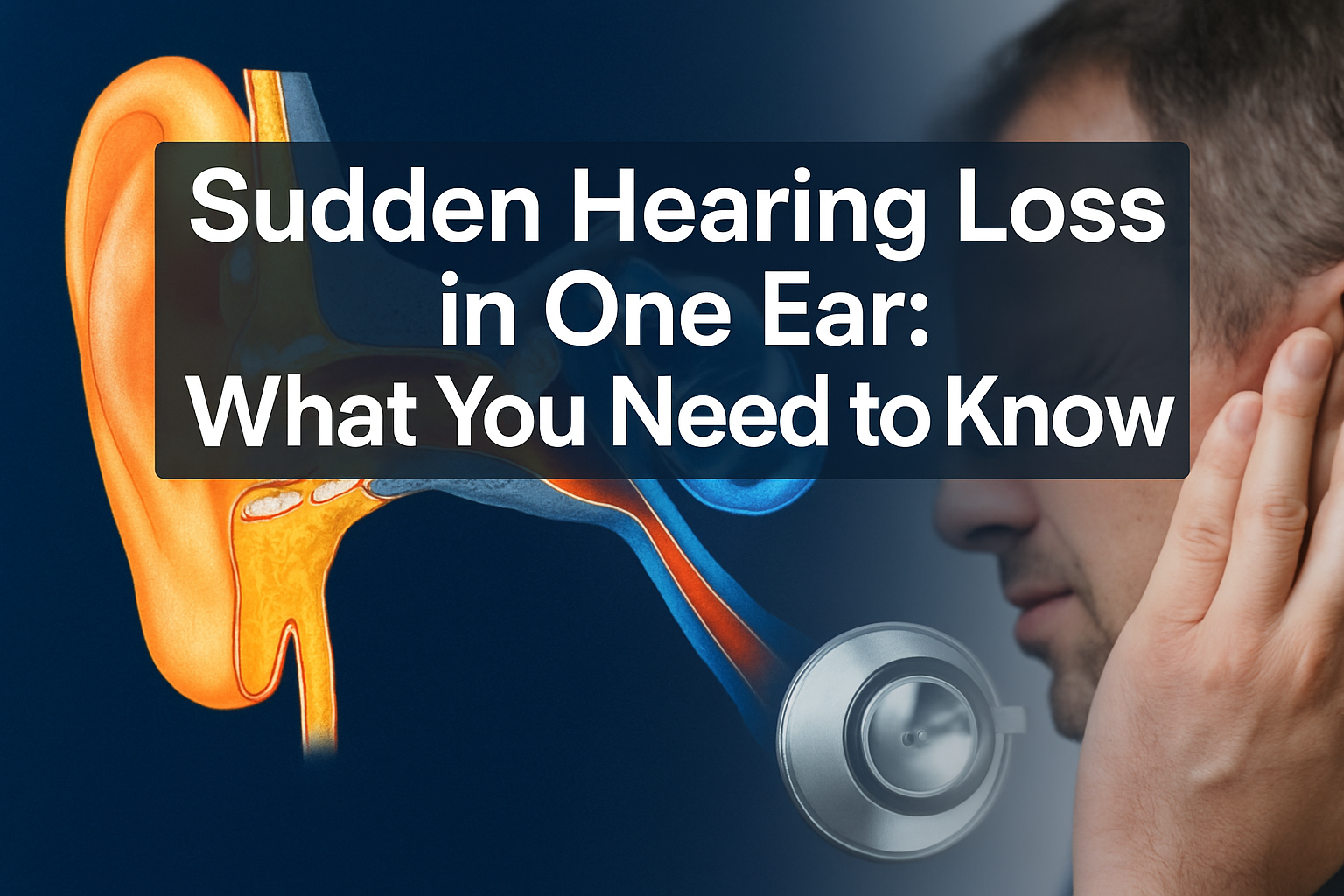
Imagine waking up one morning and realizing that the world sounds different—not just quieter, but completely muffled or silent in one ear. This alarming experience affects thousands of people every year, often without warning. Sudden hearing loss in one ear is a medical emergency that many people don’t recognize as urgent, yet getting help quickly can make the difference between recovery and permanent hearing damage.
Whether you’ve just experienced this frightening symptom or you’re concerned about unusual sounds and sensations in your ear, understanding what’s happening and why it matters is crucial. This comprehensive guide will walk you through everything you need to know about sudden hearing loss in one ear, from recognizing the warning signs to understanding treatment options and recovery.
Key Takeaways
- Sudden hearing loss in one ear is a medical emergency requiring immediate attention—ideally within 72 hours for the best chance of recovery
- The condition affects approximately 5-20 people per 100,000 annually and can happen to anyone, though it’s more common in adults aged 50-60
- Early treatment with corticosteroids significantly improves recovery chances, with success rates dropping dramatically after the first week
- Common accompanying symptoms include tinnitus (ringing), dizziness, and a feeling of fullness in the affected ear
- While some cases resolve spontaneously, seeking immediate medical evaluation is essential as permanent hearing loss can occur without proper treatment
What Is Sudden Hearing Loss in One Ear?
Sudden sensorineural hearing loss (SSHL), commonly known as sudden hearing loss in one ear, is defined as a rapid loss of hearing—typically 30 decibels or more—that occurs over 72 hours or less [1]. To put this in perspective, 30 decibels is roughly the difference between a whisper and normal conversation volume.
This condition is quite different from the gradual hearing loss that many people experience as they age. Instead, SSHL strikes quickly, often overnight or even within a few hours. Most people (about 90%) experience this sudden hearing loss in just one ear, though bilateral cases can occur [2].
How Common Is It?
While sudden hearing loss in one ear might seem rare, it affects approximately 5 to 20 people per 100,000 each year in the United States [3]. That translates to roughly 4,000 new cases annually, though experts believe the actual number may be higher since some people don’t seek immediate medical attention.
The condition can strike anyone at any age, but it’s most commonly diagnosed in adults between 50 and 60 years old [4]. Interestingly, there doesn’t appear to be a significant difference in occurrence between men and women.
The Urgency Factor ⏰
Here’s what makes sudden hearing loss in one ear particularly concerning: time is critical. Think of it like a stroke—except it’s affecting your hearing rather than your brain. Just as stroke patients need immediate care to prevent permanent damage, people experiencing sudden hearing loss need prompt medical evaluation and treatment.
Research shows that patients who receive treatment within the first 72 hours have the best chance of recovery. After two weeks, the likelihood of regaining hearing drops significantly [5]. Unfortunately, many people wait too long, either because they don’t recognize the seriousness or they hope it will resolve on its own.
“Sudden hearing loss is an otologic emergency. The sooner treatment begins, the better the chance of recovery.” — American Academy of Otolaryngology
Recognizing the Symptoms of Sudden Hearing Loss in One Ear
Understanding the warning signs can help you act quickly when sudden hearing loss in one ear occurs. While the primary symptom is obvious—a rapid decrease in hearing ability—several accompanying symptoms often appear alongside the hearing loss.
Primary Symptoms
Rapid Hearing Reduction 📉
The hallmark symptom is a noticeable decrease in hearing ability that develops within 72 hours or less. Many people describe this as:
- Waking up unable to hear from one ear
- Noticing hearing loss after using the phone (the affected ear sounds “dead”)
- Experiencing a sudden “pop” followed by hearing loss
- Feeling like the ear is stuffed with cotton
Tinnitus (Ringing in the Ears) 🔔
Approximately 70% of people with sudden hearing loss in one ear also experience tinnitus [6]. This ringing, buzzing, or humming sound can range from mild to severe. If you’re experiencing both hearing loss and ringing symptoms, it’s particularly important to seek immediate medical attention.
Ear Fullness or Pressure
About half of all SSHL patients report a sensation of fullness or pressure in the affected ear, similar to the feeling you get when flying in an airplane or diving underwater.
Dizziness or Vertigo 🌀
Roughly 40% of patients experience dizziness or balance problems along with their hearing loss [7]. This happens because the inner ear controls both hearing and balance. When the structures responsible for hearing are damaged, the balance system can be affected too.
Secondary Symptoms
Beyond the primary symptoms, you might also notice:
- Difficulty understanding speech, especially in noisy environments
- Sounds seeming distorted or different in quality
- Sensitivity to certain sounds in the unaffected ear
- Difficulty localizing sounds (determining where sounds are coming from)
- Headache on the affected side
- Anxiety or panic related to the sudden change
When to Seek Immediate Medical Attention
You should consider sudden hearing loss in one ear a medical emergency and seek care immediately if you experience:
✅ Sudden hearing loss that occurs within hours or days
✅ Hearing loss accompanied by severe dizziness or vertigo
✅ Hearing loss with severe headache or facial weakness
✅ Hearing loss following head trauma
✅ Any rapid change in hearing ability that concerns you
Don’t wait to see if it gets better on its own. While some cases do resolve spontaneously, you won’t know which category you fall into without professional evaluation, and waiting could cost you the opportunity for effective treatment.
For more information about recognizing hearing loss symptoms, visit our comprehensive guide.
Common Causes of Sudden Hearing Loss in One Ear
Understanding what causes sudden hearing loss in one ear can be frustrating because, in many cases, doctors never identify a specific cause. In fact, 85-90% of cases are classified as idiopathic, meaning the exact cause remains unknown [8]. However, researchers have identified several potential triggers and risk factors.
Viral Infections 🦠
Viral infections are believed to be one of the most common identifiable causes of sudden hearing loss in one ear. Several viruses can damage the delicate structures of the inner ear:
- Herpes simplex virus
- Cytomegalovirus (CMV)
- Mumps virus
- Measles virus
- Influenza viruses
- Varicella-zoster virus (chickenpox/shingles)
Sometimes the viral infection is obvious—you might have cold or flu symptoms. Other times, the virus affects the inner ear without causing other noticeable symptoms. The virus can damage the cochlea (the hearing organ) or the auditory nerve directly, or it can trigger inflammation that disrupts hearing.
Circulatory Problems
Problems with blood flow to the inner ear can cause sudden hearing loss. The inner ear requires a constant supply of oxygen-rich blood to function properly. When blood flow is interrupted or reduced, the sensitive hair cells in the cochlea can be damaged or die.
Circulatory issues that may contribute include:
- Blood clots
- Vascular spasms
- Atherosclerosis (hardening of the arteries)
- High blood pressure
- Diabetes-related vascular problems
Autoimmune Inner Ear Disease
In some cases, the body’s immune system mistakenly attacks the inner ear, treating it as a foreign invader. Autoimmune inner ear disease (AIED) can cause sudden or rapidly progressive hearing loss, often affecting both ears over time (though it may start in one ear).
Conditions associated with autoimmune-related hearing loss include:
- Rheumatoid arthritis
- Lupus
- Sjögren’s syndrome
- Cogan’s syndrome
Trauma and Physical Causes
Physical damage to the ear structures can result in sudden hearing loss:
Head Trauma 💥
A blow to the head can damage the inner ear structures or the auditory nerve, leading to sudden hearing loss. This is why you should always seek medical attention after significant head injuries.
Acoustic Trauma
Exposure to extremely loud noise—such as an explosion, gunshot, or very loud music—can cause immediate hearing damage. This type of sudden hearing loss may be temporary or permanent depending on the severity.
Barotrauma
Rapid pressure changes, such as those experienced during scuba diving or flying, can damage the eardrum or inner ear structures.
Medications (Ototoxicity) 💊
Certain medications can damage the inner ear, causing sudden or gradual hearing loss. These ototoxic medications include:
- Some antibiotics (particularly aminoglycosides like gentamicin)
- High doses of aspirin
- Some chemotherapy drugs
- Loop diuretics (water pills)
- Quinine-based medications
If you’ve recently started a new medication and experience sudden hearing loss, contact your healthcare provider immediately. Don’t stop taking prescribed medications without medical guidance, but do report the symptom urgently.
Tumors
While less common, acoustic neuromas (benign tumors on the auditory nerve) can cause sudden hearing loss in one ear. These slow-growing tumors typically cause gradual hearing loss, but they can occasionally present with sudden symptoms [9].
Other Medical Conditions
Several other health conditions have been associated with sudden hearing loss in one ear:
- Ménière’s disease (inner ear disorder)
- Multiple sclerosis
- Stroke affecting auditory pathways
- Migraine-associated hearing loss
- Lyme disease
For a deeper dive into the various causes of hearing loss in one ear, explore our detailed guide.
Risk Factors
While sudden hearing loss can happen to anyone, certain factors may increase your risk:
| Risk Factor | How It Affects Risk |
|---|---|
| Age | More common in adults 50-60 years old |
| Cardiovascular disease | Reduced blood flow to inner ear |
| Diabetes | Vascular complications affecting ear |
| Smoking | Damages blood vessels, reduces oxygen |
| High cholesterol | Contributes to vascular problems |
| Stress | May trigger vascular spasms |
| Autoimmune conditions | Immune system attacks ear tissues |
How Sudden Hearing Loss in One Ear Is Diagnosed
When you visit a healthcare provider for sudden hearing loss in one ear, they’ll conduct a thorough evaluation to confirm the diagnosis, determine the severity, and look for potential underlying causes. Understanding this diagnostic process can help you know what to expect and prepare appropriately.
Initial Medical History and Physical Examination
Your doctor will start by asking detailed questions about:
- When the hearing loss began and how quickly it developed
- Which ear is affected and whether you’ve noticed any changes in the other ear
- Accompanying symptoms like tinnitus, dizziness, or ear fullness
- Recent illnesses, particularly viral infections
- Head trauma or exposure to loud noise
- Current medications and recent medication changes
- Medical history, including cardiovascular disease, diabetes, or autoimmune conditions
- Family history of hearing problems
Next, they’ll perform a physical examination, including:
- Otoscopy: Looking inside your ear with a lighted instrument to check for obvious problems like ear wax buildup, infection, or eardrum damage
- Basic hearing tests: Simple tests like whispering or using a tuning fork to assess hearing
- Neurological examination: Checking balance, coordination, and cranial nerve function
Audiological Testing 🎧
Pure-tone audiometry is the gold standard for diagnosing and measuring sudden hearing loss in one ear. This comprehensive hearing test:
- Measures your ability to hear different frequencies (pitches) and volumes
- Determines the type of hearing loss (sensorineural, conductive, or mixed)
- Quantifies the severity of hearing loss in decibels
- Compares hearing between both ears
- Provides a baseline for tracking recovery
The test is painless and typically takes 30-60 minutes. You’ll wear headphones and respond when you hear tones at various pitches and volumes.
Speech audiometry may also be performed to assess:
- Your ability to understand speech at different volumes
- How well you can distinguish between similar-sounding words
- Your speech recognition threshold
Additional Diagnostic Tests
Depending on your symptoms and initial findings, your doctor may order additional tests:
Blood Tests 🩸
Blood work can help identify potential causes:
- Complete blood count (CBC) to check for infection
- Erythrocyte sedimentation rate (ESR) to detect inflammation
- Autoimmune markers (ANA, rheumatoid factor)
- Thyroid function tests
- Lyme disease testing (if exposure suspected)
- Tests for syphilis or other infections
Imaging Studies
MRI (Magnetic Resonance Imaging) with contrast is often recommended to:
- Rule out acoustic neuroma or other tumors
- Check for stroke or other brain abnormalities
- Examine the inner ear structures
- Look for signs of multiple sclerosis
CT (Computed Tomography) scans may be used to:
- Evaluate bone structures of the ear
- Check for fractures after head trauma
- Assess for chronic ear disease
Specialized Hearing Tests
Auditory Brainstem Response (ABR) testing measures how your auditory nerve and brain pathways respond to sound. This can help determine if the problem is in the inner ear or the nerve pathways to the brain.
Otoacoustic Emissions (OAE) testing checks whether the tiny hair cells in your cochlea are functioning properly. This can help pinpoint where the damage has occurred.
Differential Diagnosis
Your doctor will work to rule out other conditions that can mimic sudden hearing loss in one ear:
- Earwax impaction (easily treatable)
- Middle ear fluid or infection
- Eustachian tube dysfunction
- Otosclerosis (abnormal bone growth)
- Perforated eardrum
- Cholesteatoma (abnormal skin growth in middle ear)
The key distinguishing feature of sudden sensorineural hearing loss is that it affects the inner ear or auditory nerve, not the outer or middle ear structures.
Understanding the symptoms of ear nerve damage can help you better communicate with your healthcare provider about your symptoms.
Treatment Options for Sudden Hearing Loss in One Ear
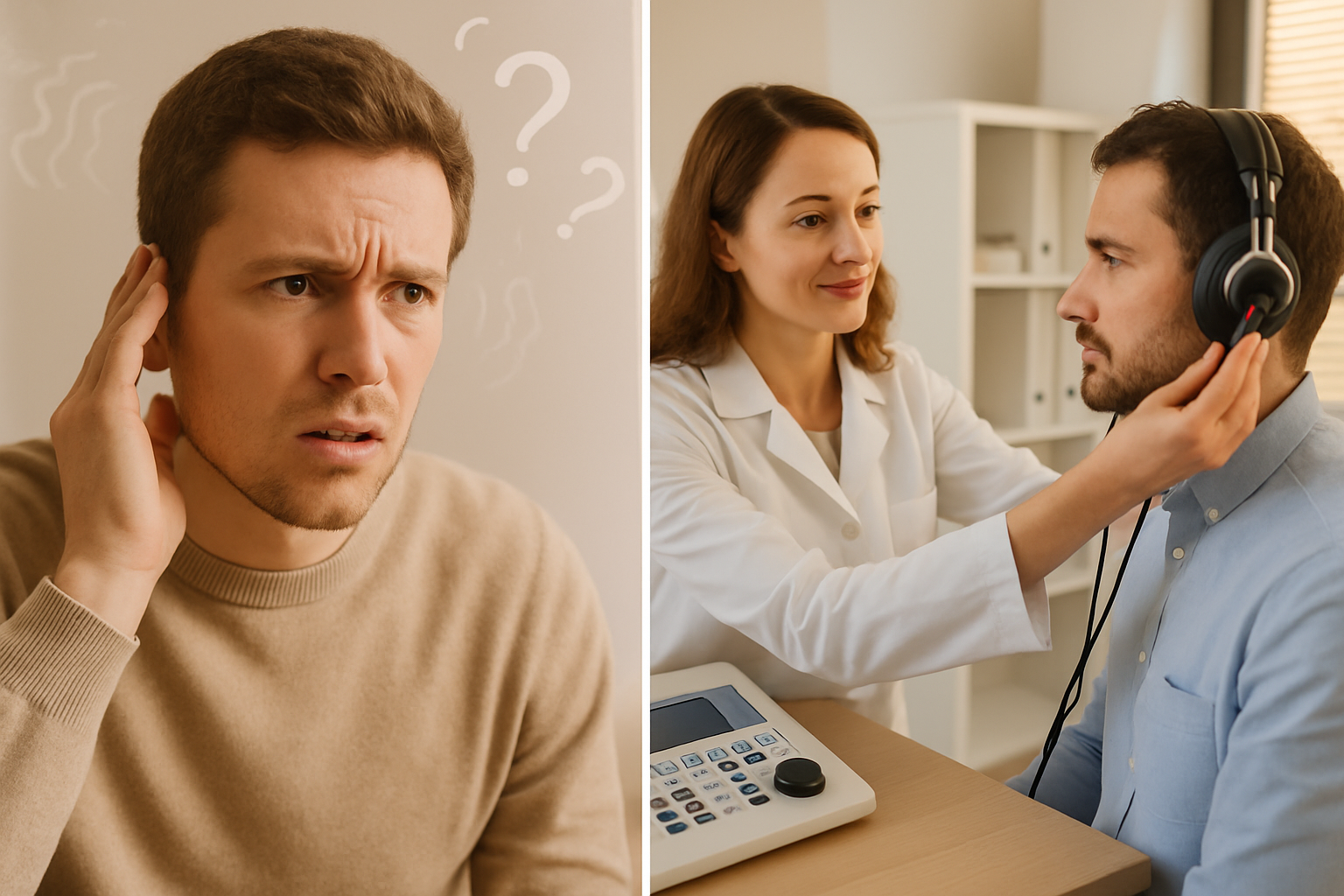
The good news is that sudden hearing loss in one ear is treatable, especially when addressed quickly. Treatment approaches vary depending on the suspected cause, severity, and how quickly you seek help. Here’s what you need to know about the available treatment options.
Corticosteroids: The First-Line Treatment 💊
Corticosteroids are the most common and effective treatment for sudden hearing loss in one ear. These powerful anti-inflammatory medications work by:
- Reducing inflammation in the inner ear
- Decreasing swelling that may be compressing delicate structures
- Suppressing potential autoimmune reactions
- Improving blood flow to the inner ear
Oral Corticosteroids
Prednisone or similar oral steroids are typically prescribed at high doses for 10-14 days, often with a gradual tapering schedule. Studies show that approximately 50-60% of patients who receive prompt corticosteroid treatment experience at least partial hearing recovery [10].
Intratympanic Corticosteroid Injections
For patients who:
- Cannot take oral steroids due to health conditions (diabetes, high blood pressure)
- Don’t respond to oral treatment
- Experience severe hearing loss
- Prefer localized treatment
Doctors may inject steroids directly through the eardrum into the middle ear. This allows higher concentrations of medication to reach the inner ear with fewer systemic side effects. The procedure is performed in the office and may be repeated several times over a few weeks.
Antiviral Medications
When a viral infection is suspected as the cause, antiviral medications may be prescribed alongside corticosteroids. However, the evidence for antiviral effectiveness in sudden hearing loss is mixed, and they’re not routinely recommended unless there’s clear evidence of viral infection [11].
Vasodilators and Blood Flow Enhancers
Some physicians prescribe medications to improve blood flow to the inner ear, based on the theory that circulatory problems contribute to sudden hearing loss. These may include:
- Pentoxifylline (improves blood flow)
- Carbogen therapy (oxygen and carbon dioxide mixture)
- Hyperbaric oxygen therapy (breathing pure oxygen in a pressurized chamber)
The evidence for these treatments is less robust than for corticosteroids, but they may be considered as adjunct therapies, especially when standard treatment hasn’t worked.
Hyperbaric Oxygen Therapy (HBOT) 🫧
Hyperbaric oxygen therapy involves breathing pure oxygen in a pressurized chamber. The theory is that increased oxygen levels in the blood can help heal damaged inner ear tissues.
HBOT may be recommended:
- As an add-on to corticosteroid treatment
- When corticosteroids alone haven’t worked
- Within the first two weeks of hearing loss onset
While some studies show benefit, HBOT is expensive, time-consuming (requires multiple sessions), and not universally available. It’s typically considered a second-line or adjunct treatment rather than a primary option.
Treating Underlying Causes
When a specific cause is identified, treatment targets that condition:
Bacterial Infections: Antibiotics
Autoimmune Disease: Immunosuppressive medications
Ménière’s Disease: Diuretics, dietary changes, vestibular therapy
Acoustic Neuroma: Surgical removal or radiation therapy
Medication-Induced: Stopping or changing the offending medication
Hearing Rehabilitation
For patients who don’t fully recover their hearing, several options can improve quality of life:
Hearing Aids 🦻
Modern hearing aids can significantly improve hearing in the affected ear. Today’s devices are:
- Smaller and more discreet than ever
- Equipped with advanced noise-reduction technology
- Customizable to your specific hearing loss pattern
- Often Bluetooth-enabled for phone and TV connectivity
Learn more about hearing support supplements that may complement your treatment plan.
CROS/BiCROS Hearing Systems
For patients with complete hearing loss in one ear:
- CROS (Contralateral Routing of Signal) systems pick up sound from the deaf ear and transmit it to the hearing ear
- BiCROS systems do the same but also amplify sound in the better ear if it has hearing loss too
Cochlear Implants
In severe cases where hearing aids don’t help, cochlear implants may be an option. These surgically implanted devices bypass damaged parts of the ear and directly stimulate the auditory nerve.
Complementary Approaches
While not substitutes for medical treatment, some complementary approaches may support recovery:
- Stress reduction techniques (meditation, yoga)
- Adequate sleep and rest
- Avoiding loud noise exposure
- Nutritional support with antioxidants
- Acupuncture (some patients report benefit, though evidence is limited)
For those interested in natural approaches, explore our guide on natural remedies for tinnitus, which often accompanies sudden hearing loss.
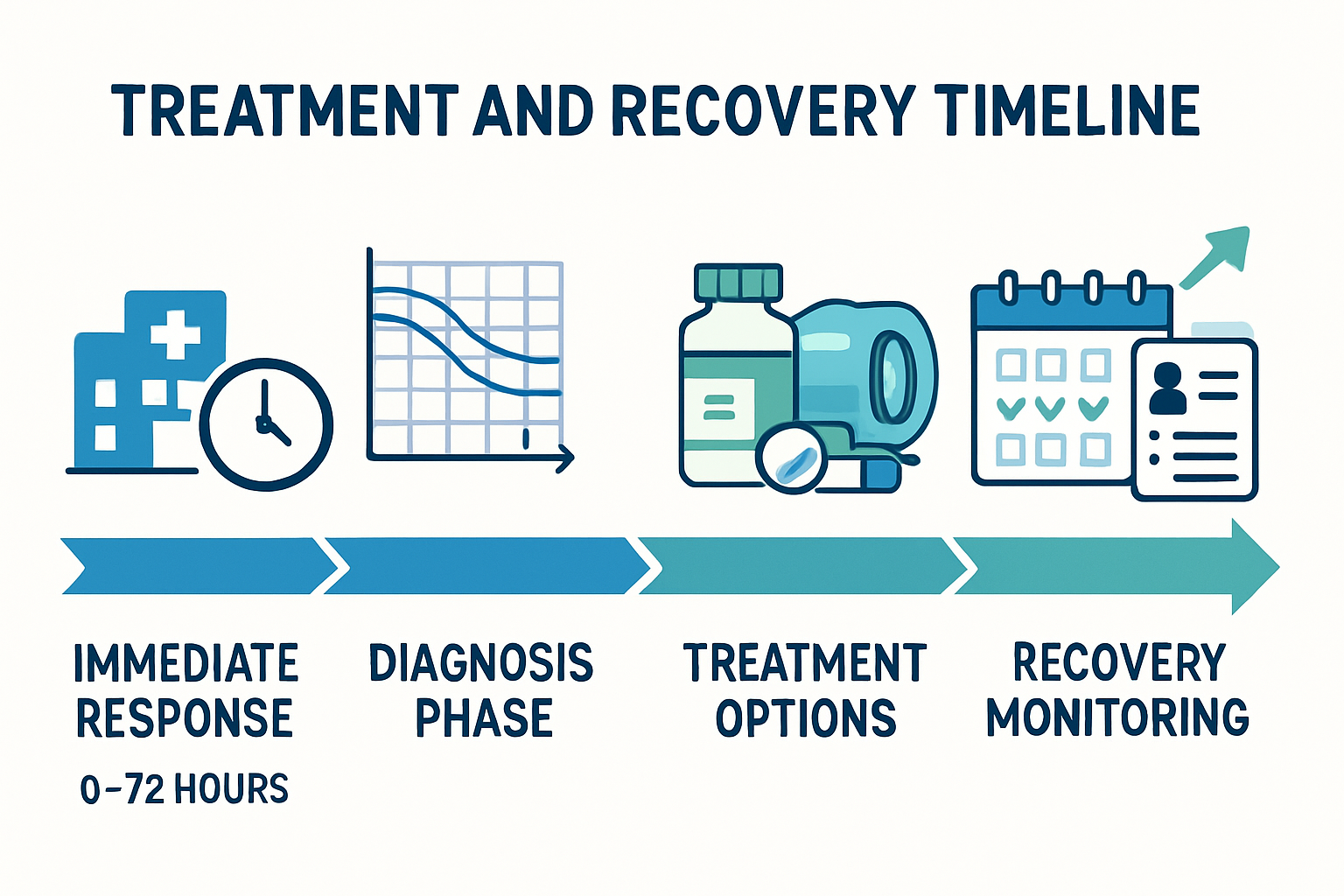
Treatment Timeline and Expectations
Immediate (0-72 hours): Best window for starting treatment
Week 1: Most critical period for recovery
Weeks 2-4: Continued treatment and monitoring
Month 2-3: Reassessment and hearing rehabilitation if needed
Ongoing: Long-term monitoring and support
What to Expect During Recovery
Recovery from sudden hearing loss in one ear varies greatly:
- Complete recovery: About 32-65% of patients recover completely or nearly completely [12]
- Partial recovery: Many patients regain some hearing but not full function
- No recovery: Unfortunately, some patients don’t recover hearing despite treatment
- Spontaneous recovery: About 32-70% of cases improve without treatment, though you shouldn’t count on this [13]
Factors that improve recovery chances:
✅ Early treatment (within 72 hours)
✅ Younger age
✅ Less severe initial hearing loss
✅ Absence of vertigo
✅ Low-frequency hearing loss (vs. high-frequency)
Factors associated with poorer outcomes:
❌ Delayed treatment
❌ Severe initial hearing loss
❌ Presence of vertigo
❌ Complete hearing loss
❌ Advanced age
Living with Sudden Hearing Loss in One Ear
Whether you’re in the recovery phase or dealing with permanent hearing changes, sudden hearing loss in one ear affects daily life in ways that others might not immediately understand. Here’s how to navigate the challenges and maintain your quality of life.
Immediate Lifestyle Adjustments
Safety Considerations ⚠️
Hearing loss in one ear affects your ability to:
- Locate sounds: You may have difficulty determining where sounds are coming from
- Hear approaching vehicles: Be extra cautious when crossing streets or in parking lots
- Detect alarms: Ensure smoke detectors and alarm clocks are loud enough or use visual alerts
- Hear in your “dead” ear: Position yourself so your better ear faces conversations or potential hazards
Communication Strategies 💬
Effective communication requires some adjustments:
- Position yourself strategically: In conversations, position yourself so your better ear faces the speaker
- Reduce background noise: Choose quiet restaurants and meeting spaces when possible
- Be upfront: Let people know you have hearing loss in one ear—most will be happy to accommodate
- Use visual cues: Pay attention to facial expressions and body language
- Ask for repetition: Don’t pretend to understand—ask people to repeat or rephrase
- Use technology: Consider apps that transcribe speech in real-time
Emotional and Psychological Impact
Sudden hearing loss in one ear can be emotionally challenging:
Common Emotional Responses:
- Anxiety about permanent hearing loss
- Frustration with communication difficulties
- Social withdrawal to avoid challenging listening situations
- Depression related to lifestyle changes
- Fear that the other ear might be affected
Coping Strategies:
🌟 Acknowledge your feelings: It’s normal to grieve the loss of your hearing
🌟 Seek support: Connect with others who have experienced similar challenges
🌟 Practice self-compassion: Be patient with yourself during adjustment
🌟 Stay socially engaged: Don’t isolate yourself despite challenges
🌟 Consider counseling: Professional support can help you adapt
For comprehensive information about understanding and seeking assistance with hearing challenges, visit our dedicated resource.
Managing Tinnitus
If you’re experiencing persistent ringing or buzzing (tinnitus) along with hearing loss:
Sound Therapy 🎵
- Use white noise machines or apps
- Play soft background music
- Try nature sounds (rain, ocean waves)
- Consider hearing aids with built-in tinnitus maskers
Cognitive Behavioral Therapy (CBT)
CBT helps you change how you react to tinnitus, reducing its impact on your life.
Lifestyle Modifications
- Limit caffeine and alcohol
- Manage stress through relaxation techniques
- Get adequate sleep
- Avoid silence (which makes tinnitus more noticeable)
Learn about the causes of ear ringing and effective management strategies.
Workplace Accommodations
Under the Americans with Disabilities Act (ADA), you may be entitled to reasonable accommodations:
- Preferential seating in meetings (near speakers, away from noise)
- Written materials to supplement verbal instructions
- Assistive listening devices for phone calls and meetings
- Quiet workspace or noise-reducing modifications
- Flexible work arrangements if needed for medical appointments
Social Situations
Restaurants and Gatherings 🍽️
- Request quiet tables away from kitchens and high-traffic areas
- Sit with your back to walls to reduce background noise
- Choose restaurants with good acoustics (carpeted, with sound-absorbing materials)
- Consider smaller gatherings when possible
Entertainment
- Use assistive listening devices at theaters and concert halls
- Choose seats strategically for optimal hearing
- Use closed captioning when watching TV or movies at home
Long-Term Health Monitoring
Regular Follow-Up Care
Even after initial treatment, ongoing monitoring is important:
- Audiological testing every 6-12 months to track any changes
- Monitoring the unaffected ear for any signs of hearing loss
- Managing underlying conditions that may have contributed to hearing loss
- Updating hearing aids or assistive devices as needed
Protecting Your Remaining Hearing 🛡️
Your good ear becomes even more precious:
✅ Wear hearing protection in loud environments
✅ Keep volume moderate when using headphones
✅ Avoid ototoxic medications when possible
✅ Manage health conditions that affect hearing
✅ Don’t insert objects into your ears
✅ Address ear infections promptly
For seniors dealing with hearing challenges, our guide on effective hearing health strategies offers valuable insights.
Technology Solutions
Modern technology offers numerous tools to help:
Smartphone Apps
- Sound amplification apps that boost environmental sounds
- Speech-to-text apps for difficult listening situations
- Hearing aid control apps for adjusting settings
- Alert apps that provide visual notifications for sounds
Assistive Devices
- Amplified telephones with visual ringers
- TV listening systems that stream directly to hearing aids
- Doorbell and alarm systems with flashing lights
- Personal amplifiers for one-on-one conversations
Building Your Support Network
Don’t navigate this journey alone:
- Join support groups (online or in-person) for people with hearing loss
- Connect with others who have experienced sudden hearing loss
- Educate family and friends about your needs
- Work with audiologists who understand your challenges
- Consider counseling for emotional support
Prevention and Risk Reduction
While you can’t prevent all cases of sudden hearing loss in one ear—especially since many cases have no identifiable cause—you can take steps to reduce your risk and protect your hearing health.
Protect Your Ears from Loud Noise 🔊
Noise-induced hearing damage is one of the most preventable causes of hearing loss:
Use Hearing Protection
- Wear earplugs or earmuffs when exposed to loud noise (concerts, power tools, firearms)
- Choose high-quality hearing protection rated for the noise level
- Keep disposable earplugs in your car, bag, or pocket for unexpected loud situations
Follow the 60/60 Rule
When using headphones or earbuds:
- Keep volume at 60% of maximum or lower
- Limit listening time to 60 minutes at a time
- Use noise-canceling headphones to avoid turning up volume in noisy environments
Recognize Dangerous Noise Levels
- 85 decibels (dB): Heavy traffic—safe for about 8 hours
- 100 dB: Motorcycle—safe for about 15 minutes
- 110 dB: Rock concert—safe for about 2 minutes
- 120 dB: Siren—immediately harmful
If you need to shout to be heard by someone an arm’s length away, the noise is too loud and you should use protection.
Learn more about understanding hearing damage and how to prevent it.
Manage Cardiovascular Health ❤️
Since circulatory problems can contribute to sudden hearing loss:
Control Blood Pressure
- Monitor your blood pressure regularly
- Take prescribed medications as directed
- Reduce sodium intake
- Exercise regularly
- Manage stress
Maintain Healthy Cholesterol Levels
- Eat a heart-healthy diet rich in fruits, vegetables, and whole grains
- Limit saturated fats and trans fats
- Exercise regularly
- Take cholesterol-lowering medications if prescribed
Manage Diabetes
- Keep blood sugar levels within target range
- Follow your diabetes management plan
- Monitor for complications
- Attend regular check-ups
Don’t Smoke 🚭
Smoking damages blood vessels throughout your body, including those supplying the inner ear. Quitting smoking is one of the best things you can do for your hearing health.
Be Cautious with Medications
Know Which Medications Are Ototoxic
Ask your doctor and pharmacist about potential hearing effects when starting new medications. Common ototoxic medications include:
- Certain antibiotics (aminoglycosides, vancomycin)
- High doses of aspirin or NSAIDs
- Some chemotherapy drugs (cisplatin, carboplatin)
- Loop diuretics (furosemide, bumetanide)
- Quinine and chloroquine
What You Can Do:
- Never stop prescribed medications without consulting your doctor
- Report any hearing changes immediately
- Ask about alternative medications if you’re concerned
- Have baseline hearing tests before starting ototoxic medications
- Monitor your hearing during treatment
Address Ear Infections Promptly
Don’t ignore ear infections or ear pain:
- Seek medical attention for persistent ear infections
- Complete the full course of prescribed antibiotics
- Follow up if symptoms don’t improve
- Address chronic ear problems before they cause complications
Manage Stress 🧘
While the connection isn’t fully understood, stress may contribute to sudden hearing loss:
- Practice regular stress-reduction techniques (meditation, yoga, deep breathing)
- Get adequate sleep (7-9 hours per night)
- Exercise regularly
- Maintain work-life balance
- Seek help for chronic stress or anxiety
Stay Up-to-Date with Vaccinations
Some viral infections can cause sudden hearing loss. Protect yourself by:
- Getting annual flu shots
- Staying current with recommended vaccinations
- Following public health guidelines during outbreaks
- Practicing good hygiene to prevent viral infections
Regular Health Check-Ups
Preventive care helps catch problems early:
- Schedule regular physical examinations
- Monitor chronic health conditions
- Get baseline hearing tests, especially after age 50
- Address new symptoms promptly
- Maintain relationships with healthcare providers
Know Your Risk Factors
Understanding your personal risk helps you stay vigilant:
Higher Risk Groups:
- Adults over 50
- People with cardiovascular disease
- Individuals with diabetes
- Those with autoimmune conditions
- People taking ototoxic medications
- Those with a family history of hearing loss
If you’re in a higher-risk category, be especially attentive to any hearing changes and maintain regular hearing evaluations.
Act Quickly If Symptoms Appear ⚡
The most important “prevention” strategy for permanent hearing loss is early treatment:
- Know the warning signs of sudden hearing loss
- Seek medical attention within 72 hours
- Don’t wait to see if it improves on its own
- Treat sudden hearing loss as a medical emergency
- Follow through with recommended treatment
For more information about the most common causes of hearing loss and how to prevent them, visit our comprehensive guide.
When to See a Doctor: Red Flags and Warning Signs
Knowing when sudden hearing loss in one ear requires immediate medical attention can make the difference between recovery and permanent hearing loss. While any sudden change in hearing warrants evaluation, certain symptoms require urgent care.
Seek Immediate Medical Attention For:
🚨 Sudden hearing loss that develops within 72 hours or less
🚨 Complete or near-complete hearing loss in one ear
🚨 Hearing loss accompanied by severe vertigo or dizziness
🚨 Hearing loss with facial weakness or drooping
🚨 Hearing loss after head trauma
🚨 Hearing loss with severe headache or neck stiffness
🚨 Hearing loss with fever and ear pain
🚨 Hearing loss with confusion or difficulty speaking
Schedule an Appointment Soon For:
📅 Gradual hearing loss that’s getting worse
📅 Persistent tinnitus (ringing, buzzing) in one or both ears
📅 Recurring ear infections or chronic ear problems
📅 Difficulty understanding speech in noisy environments
📅 Family members commenting on your hearing
📅 Turning up volume on TV or phone more than usual
📅 Ear fullness or pressure that doesn’t resolve
Where to Go for Treatment
Emergency Room or Urgent Care
For sudden hearing loss occurring:
- On weekends or holidays
- Outside regular office hours
- With severe accompanying symptoms
Otolaryngologist (ENT Specialist)
The ideal specialist for sudden hearing loss:
- Can perform comprehensive evaluation
- Offers specialized treatments
- Has experience with sudden hearing loss cases
Primary Care Physician
Can provide:
- Initial evaluation
- Referral to specialists
- Treatment for underlying conditions
- Coordination of care
Audiologist
Provides:
- Comprehensive hearing testing
- Hearing aid fitting and support
- Rehabilitation services
- Ongoing monitoring
What to Bring to Your Appointment
📋 List of current medications (including supplements)
📋 Medical history, especially cardiovascular and autoimmune conditions
📋 Timeline of symptoms (when started, how quickly progressed)
📋 Recent illnesses or health changes
📋 Questions you want to ask
📋 Insurance information
Questions to Ask Your Doctor
- What is the likely cause of my hearing loss?
- What tests do I need?
- What are my treatment options?
- How quickly should treatment start?
- What are the chances of recovery?
- Could my other ear be affected?
- What can I do to protect my remaining hearing?
- When should I follow up?
- Are there any restrictions on my activities?
- What warning signs should I watch for?
The Importance of the 72-Hour Window ⏰
Research consistently shows that treatment within 72 hours offers the best chance of recovery. After this window:
- Recovery rates decline significantly
- Treatment may be less effective
- Risk of permanent hearing loss increases
- Options for intervention become more limited
Don’t wait and hope it gets better. Even if you’re unsure whether your symptoms warrant urgent care, err on the side of caution. A false alarm is far better than missing the critical treatment window.
Follow-Up Care
After initial treatment for sudden hearing loss in one ear:
Short-term follow-up (2-4 weeks):
- Repeat hearing tests to assess recovery
- Adjust treatment if needed
- Monitor for complications
- Address ongoing symptoms
Long-term follow-up (6-12 months):
- Annual hearing tests
- Monitor the unaffected ear
- Assess need for hearing aids or other devices
- Manage any persistent tinnitus or balance issues
Red Flags During Recovery
Contact your doctor if you experience:
- Worsening hearing loss in either ear
- New symptoms like severe dizziness or facial weakness
- Side effects from medications
- No improvement after 1-2 weeks of treatment
- Hearing loss in the other ear
- Severe tinnitus that interferes with daily life
For detailed information about hearing loss in one ear, including when to seek help, visit our comprehensive resource.
🔍 Sudden Hearing Loss Symptom Checker
Answer these questions to determine how urgently you should seek medical care
How quickly did your hearing loss develop?
How severe is your hearing loss?
Are you experiencing any of these additional symptoms?
When did your symptoms begin?
Have you experienced any recent head trauma or exposure to extremely loud noise?
Do you have any of these risk factors?
Frequently Asked Questions About Sudden Hearing Loss in One Ear
Can sudden hearing loss in one ear resolve on its own?
Yes, it’s possible. Studies show that 32-70% of cases improve spontaneously without treatment [14]. However, you shouldn’t rely on this possibility. Without treatment, you risk permanent hearing loss, and there’s no way to predict whether your case will resolve on its own. Early medical intervention significantly improves recovery chances, so it’s always better to seek treatment promptly.
How long does it take to recover from sudden hearing loss?
Recovery timelines vary widely:
- Immediate improvement: Some patients notice improvement within days of starting treatment
- Gradual recovery: Most recovery occurs within the first 2-4 weeks
- Extended recovery: Some patients continue improving for up to 3 months
- Partial recovery: Many patients regain some but not all hearing function
- No recovery: Unfortunately, some cases don’t improve despite treatment
The best predictor of recovery is how quickly treatment begins—those who start treatment within 72 hours have the highest success rates.
Will I need a hearing aid if my hearing doesn’t fully recover?
Possibly. If you have permanent hearing loss in one ear, your doctor may recommend:
- Hearing aids for partial hearing loss that can be amplified
- CROS systems for complete hearing loss in one ear (routes sound to the better ear)
- Cochlear implants for severe cases where hearing aids don’t help
- No device if your remaining ear provides adequate hearing for daily life
Many people adapt well to hearing loss in one ear, especially if the other ear has normal hearing. Your audiologist can help determine what’s best for your situation.
Can sudden hearing loss happen in both ears?
While rare, bilateral sudden hearing loss (affecting both ears) can occur in about 10% of cases [15]. This is even more urgent than unilateral (one-ear) hearing loss and requires immediate medical attention. Bilateral cases are more likely to be associated with systemic conditions like autoimmune disease or certain infections.
Is sudden hearing loss permanent?
Not necessarily. With prompt treatment:
- About 50-60% of patients recover at least some hearing
- 32-65% recover completely or nearly completely
- Recovery chances are highest when treatment starts within 72 hours
- Some patients experience partial recovery
- Unfortunately, some cases result in permanent hearing loss despite treatment
The outcome depends on many factors including the underlying cause, severity of initial hearing loss, presence of vertigo, age, and how quickly treatment begins.
Can stress cause sudden hearing loss in one ear?
While stress alone doesn’t directly cause sudden hearing loss, it may contribute as a risk factor. Stress can:
- Affect blood flow and circulation
- Trigger vascular spasms
- Weaken immune function
- Exacerbate underlying health conditions
However, sudden hearing loss is typically caused by physical factors like viral infections, circulatory problems, or inner ear damage rather than stress alone. That said, managing stress is important for overall ear health.
Should I avoid flying or swimming with sudden hearing loss?
Flying: Consult your doctor before flying. Pressure changes during flight could potentially worsen symptoms or cause discomfort, especially if you have Eustachian tube dysfunction or middle ear problems.
Swimming: Generally avoid swimming until your doctor evaluates you, especially if:
- You have a perforated eardrum
- You’ve had intratympanic steroid injections recently
- You’re experiencing severe vertigo or balance problems
- Your doctor advises against it
Always follow your healthcare provider’s specific recommendations for your situation.
Can children experience sudden hearing loss in one ear?
Yes, though it’s less common in children than adults. Sudden hearing loss can occur at any age. In children, it may be caused by:
- Viral infections (mumps, measles, meningitis)
- Head trauma
- Ototoxic medications
- Congenital conditions
- Tumors (rare)
Children may not recognize or report hearing loss as readily as adults, so parents should watch for signs like:
- Not responding when called
- Turning up TV or device volume
- Difficulty in school
- Behavioral changes
- Complaining of ear fullness or ringing
If you suspect your child has sudden hearing loss, seek immediate medical attention.
Does insurance cover treatment for sudden hearing loss?
Most health insurance plans, including Medicare, cover:
- Medical evaluation by ENT specialists
- Diagnostic testing (audiometry, MRI, blood work)
- Corticosteroid treatment (oral or injections)
- Follow-up care and monitoring
Coverage for additional treatments like hyperbaric oxygen therapy varies by plan. Hearing aids may or may not be covered, depending on your specific insurance plan. Check with your insurance provider about coverage details and any required pre-authorizations.
Can I prevent sudden hearing loss from happening again?
While you can’t prevent all cases, you can reduce your risk:
✅ Protect your ears from loud noise
✅ Manage cardiovascular health (blood pressure, cholesterol, diabetes)
✅ Avoid ototoxic medications when possible
✅ Stay current with vaccinations
✅ Address infections promptly
✅ Don’t smoke
✅ Manage stress effectively
✅ Get regular health check-ups
If you’ve had sudden hearing loss in one ear, you have a small increased risk of it occurring in the other ear, making protective measures even more important.
Conclusion: Taking Action on Sudden Hearing Loss in One Ear
Sudden hearing loss in one ear is a frightening experience, but understanding what it is, recognizing the symptoms, and knowing when to seek help can make all the difference in your recovery. The key takeaway is simple yet critical: treat sudden hearing loss as a medical emergency.
Your Action Plan 📋
If you’re experiencing sudden hearing loss in one ear right now:
- Seek medical attention immediately—ideally within 72 hours
- Don’t wait to see if it improves on its own
- Visit an ENT specialist or emergency room
- Bring a complete medication list and medical history
- Be prepared for hearing tests and possible imaging
If you’ve already been diagnosed and treated:
- Follow your treatment plan exactly as prescribed
- Attend all follow-up appointments for monitoring
- Protect your remaining hearing from loud noise and other risks
- Consider hearing rehabilitation if needed
- Stay positive—many patients recover at least partial hearing
Remember the Critical Time Window ⏰
The 72-hour window for optimal treatment cannot be overstated. Research consistently shows that patients who receive corticosteroid treatment within the first three days have significantly better outcomes than those who wait longer. After two weeks, treatment effectiveness drops dramatically.
Protecting Your Hearing Health Long-Term
Whether you’ve experienced sudden hearing loss or want to prevent it:
- Schedule regular hearing tests, especially after age 50
- Manage chronic health conditions that affect circulation
- Protect your ears from loud noise exposure
- Be cautious with medications known to affect hearing
- Stay informed about hearing health
For comprehensive information about maintaining your hearing health, visit Improve Hearing Health.
You’re Not Alone
Thousands of people experience sudden hearing loss in one ear each year. While it’s a serious condition, many patients recover with prompt treatment, and even those with permanent hearing loss can adapt and maintain excellent quality of life with the right support and tools.
Final Thoughts
Sudden hearing loss in one ear is more than just an inconvenience—it’s a medical emergency that requires immediate attention. By understanding the warning signs, acting quickly, and following through with treatment, you give yourself the best possible chance of recovery.
Don’t ignore sudden changes in your hearing. Trust your instincts. If something feels wrong, seek medical care. Your hearing is precious, and protecting it is worth every effort.
Take action today to protect your hearing health for tomorrow.
References
[1] National Institute on Deafness and Other Communication Disorders (NIDCD). (2021). “Sudden Deafness.” U.S. Department of Health and Human Services.
[2] Stachler, R. J., et al. (2012). “Clinical Practice Guideline: Sudden Hearing Loss.” Otolaryngology–Head and Neck Surgery, 146(3_suppl), S1-S35.
[3] Alexander, T. H., & Harris, J. P. (2013). “Incidence of sudden sensorineural hearing loss.” Otology & Neurotology, 34(9), 1586-1589.
[4] Kuhn, M., Heman-Ackah, S. E., Shaikh, J. A., & Roehm, P. C. (2011). “Sudden sensorineural hearing loss: a review of diagnosis, treatment, and prognosis.” Trends in Amplification, 15(3), 91-105.
[5] Conlin, A. E., & Parnes, L. S. (2007). “Treatment of sudden sensorineural hearing loss: I. A systematic review.” Archives of Otolaryngology–Head & Neck Surgery, 133(6), 573-581.
[6] Chau, J. K., Lin, J. R., Atashband, S., Irvine, R. A., & Westerberg, B. D. (2010). “Systematic review of the evidence for the etiology of adult sudden sensorineural hearing loss.” The Laryngoscope, 120(5), 1011-1021.
[7] Merchant, S. N., Adams, J. C., & Nadol Jr, J. B. (2005). “Pathophysiology of Ménière’s syndrome: are symptoms caused by endolymphatic hydrops?” Otology & Neurotology, 26(1), 74-81.
[8] Schreiber, B. E., Agrup, C., Haskard, D. O., & Luxon, L. M. (2010). “Sudden sensorineural hearing loss.” The Lancet, 375(9721), 1203-1211.
[9] Carlson, M. L., & Link, M. J. (2015). “Vestibular schwannomas.” New England Journal of Medicine, 372(14), 1332-1342.
[10] Wei, B. P., Stathopoulos, D., & O’Leary, S. (2013). “Steroids for idiopathic sudden sensorineural hearing loss.” Cochrane Database of Systematic Reviews, (7).
[11] Awad, Z., Huins, C., & Pothier, D. D. (2012). “Antivirals for idiopathic sudden sensorineural hearing loss.” Cochrane Database of Systematic Reviews, (8).
[12] Byl Jr, F. M. (1984). “Sudden hearing loss: eight years’ experience and suggested prognostic table.” The Laryngoscope, 94(5), 647-661.
[13] Mattox, D. E., & Simmons, F. B. (1977). “Natural history of sudden sensorineural hearing loss.” Annals of Otology, Rhinology & Laryngology, 86(4), 463-480.
[14] Rauch, S. D. (2008). “Clinical practice. Idiopathic sudden sensorineural hearing loss.” New England Journal of Medicine, 359(8), 833-840.
[15] Fetterman, B. L., Luxford, W. M., & Saunders, J. E. (1996). “Sudden bilateral sensorineural hearing loss.” The Laryngoscope, 106(11), 1347-1350.
SEO Meta Title and Description
Meta Title: Sudden Hearing Loss in One Ear: Causes, Treatment & Recovery
Meta Description: Sudden hearing loss in one ear is a medical emergency. Learn the warning signs, causes, treatment options, and why seeking help within 72 hours is critical.
