
Have you ever experienced a persistent ringing, buzzing, or humming sound in your ears that no one else can hear? You’re not alone. Millions of people worldwide experience tinnitus, a condition that can range from a minor annoyance to a life-altering challenge. Whether you’ve just started noticing these phantom sounds or have been dealing with them for years, understanding what’s happening in your ears is the first step toward finding relief and reclaiming your peace of mind.
Tinnitus affects approximately 15-20% of people globally, with the prevalence increasing significantly among older adults [1]. While it’s not a disease itself, tinnitus is a symptom that signals something is happening within your auditory system. The good news? With proper understanding, management strategies, and sometimes treatment, most people can significantly reduce the impact of tinnitus on their daily lives.
Key Takeaways
- Tinnitus is a symptom, not a disease – It signals underlying changes in your auditory system and can result from various causes including noise exposure, age-related hearing loss, ear infections, or certain medications.
- The sound varies widely – People experience tinnitus as ringing, buzzing, hissing, clicking, or roaring sounds that can be constant or intermittent, affecting one or both ears.
- Multiple treatment options exist – From sound therapy and hearing aids to cognitive behavioral therapy and lifestyle modifications, various approaches can help manage tinnitus effectively.
- Prevention is possible – Protecting your ears from loud noises, managing stress, maintaining cardiovascular health, and avoiding ototoxic medications can reduce your risk.
- Professional help matters – If you experience sudden tinnitus, hearing loss, dizziness, or tinnitus that significantly impacts your quality of life, consulting a healthcare provider is essential.
What Exactly Is Tinnitus?
Tinnitus (pronounced either “tin-NY-tus” or “TIN-ni-tus”) is the perception of sound when no external sound source is present. The term comes from the Latin word “tinnire,” meaning “to ring.” While many people describe it as a ringing sound, tinnitus can manifest in numerous ways:
🔊 Common tinnitus sounds include:
- Ringing (most common)
- Buzzing or humming
- Hissing or static-like noise
- Whistling or high-pitched tones
- Clicking or pulsing
- Roaring or whooshing (especially in pulsatile tinnitus)
- Musical tones or melodies (less common)
The experience of tinnitus is highly individual. Some people hear it in one ear, others in both ears, and some perceive it as coming from inside their head. The volume can range from barely noticeable to overwhelmingly loud, and the pitch can vary from a low rumble to a piercing screech.
Types of Tinnitus
Understanding the different types of tinnitus can help identify potential causes and appropriate treatments:
| Type | Description | Characteristics |
|---|---|---|
| Subjective Tinnitus | Only the person experiencing it can hear the sound | Accounts for 95% of cases; related to auditory pathway issues |
| Objective Tinnitus | Can be heard by an examining physician | Rare; caused by actual sound generation in the body (blood flow, muscle contractions) |
| Pulsatile Tinnitus | Rhythmic sound synchronized with heartbeat | Often vascular in origin; requires medical evaluation |
| Somatic Tinnitus | Influenced by body movements or touch | Related to sensory input from neck, jaw, or body |
For more information about the various causes for ear ringing, it’s important to understand that tinnitus can stem from multiple sources within the auditory system.
How Does Tinnitus Happen? Understanding the Mechanisms
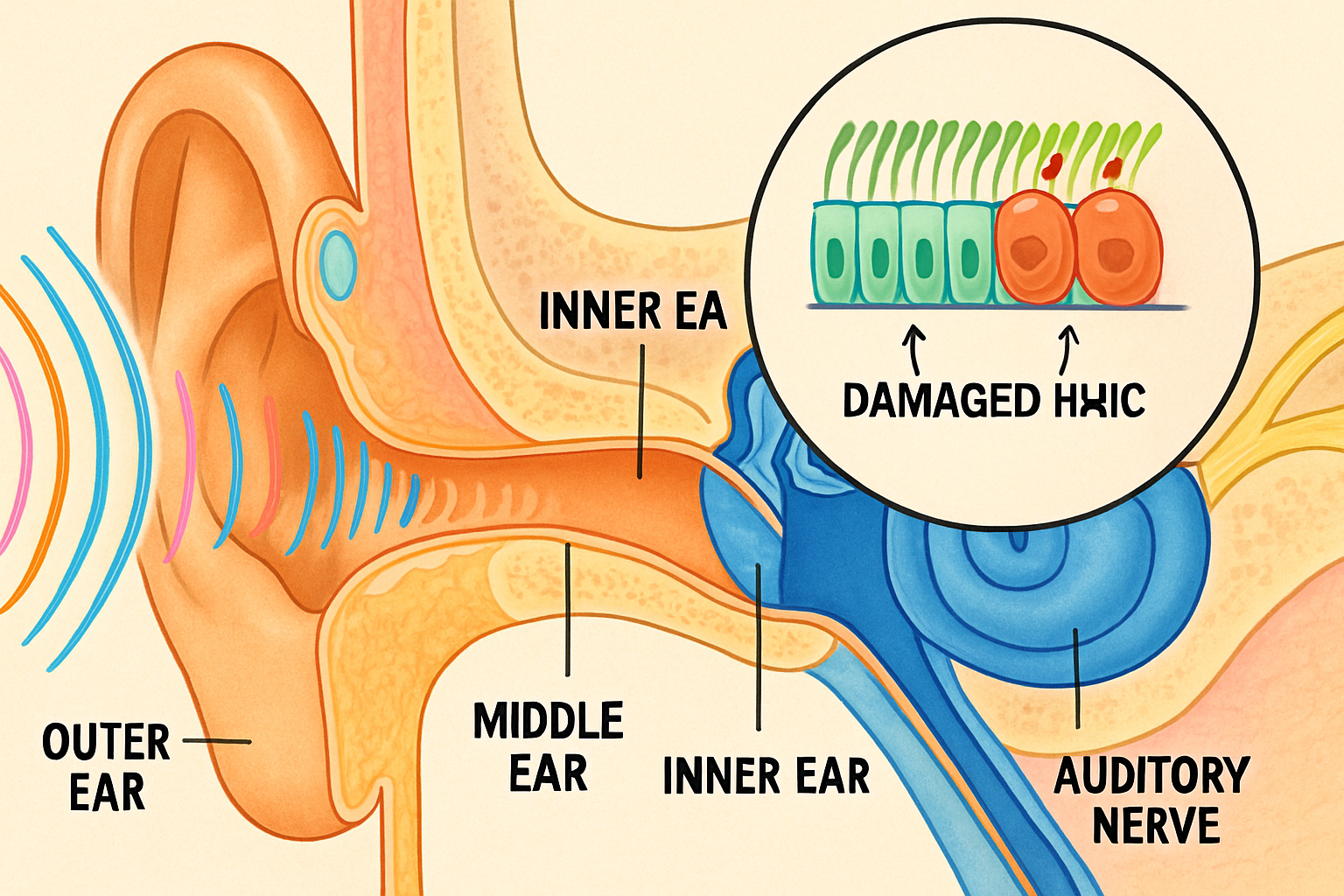
To understand tinnitus, it helps to know how your hearing system works. Sound waves enter your outer ear, travel through the ear canal, and cause your eardrum to vibrate. These vibrations pass through three tiny bones in your middle ear to the cochlea, a snail-shaped structure in your inner ear filled with fluid and thousands of tiny hair cells.
When these hair cells detect vibrations, they convert them into electrical signals that travel along the auditory nerve to your brain, where they’re interpreted as sound. Tinnitus occurs when this system malfunctions or receives abnormal signals.
The Science Behind the Phantom Sounds
Researchers have identified several mechanisms that can trigger tinnitus:
1. Damaged Hair Cells 🦻
When the delicate hair cells in your cochlea become damaged or die, they may send random electrical impulses to your brain. Your brain interprets these false signals as sound, creating the perception of tinnitus. This damage can result from:
- Prolonged exposure to loud noises
- Natural aging processes
- Ototoxic medications
- Physical trauma to the ear
2. Hyperactivity in the Auditory Cortex
When your ears stop sending normal signals to your brain (due to hearing loss), your brain may increase its sensitivity to compensate. This heightened sensitivity can cause neural circuits to become overactive, generating phantom sounds [2].
3. Changes in Neural Pathways
The auditory system involves complex neural networks. When these pathways are disrupted, your brain may “fill in” missing sound information, similar to how phantom limb pain occurs after amputation.
4. Spontaneous Activity
Sometimes, neurons in the auditory system fire spontaneously without external stimulation, creating the perception of sound where none exists.
“Tinnitus is essentially your brain’s attempt to compensate for reduced auditory input. When the ear sends fewer signals, the brain turns up its internal volume, sometimes creating sounds in the process.” — Dr. Jennifer Gans, Audiologist
Common Causes of Tinnitus: Why Are Your Ears Ringing?
Understanding what triggers tinnitus is crucial for prevention and treatment. While the exact cause isn’t always identifiable, several factors are commonly associated with this condition.
Noise-Induced Hearing Damage
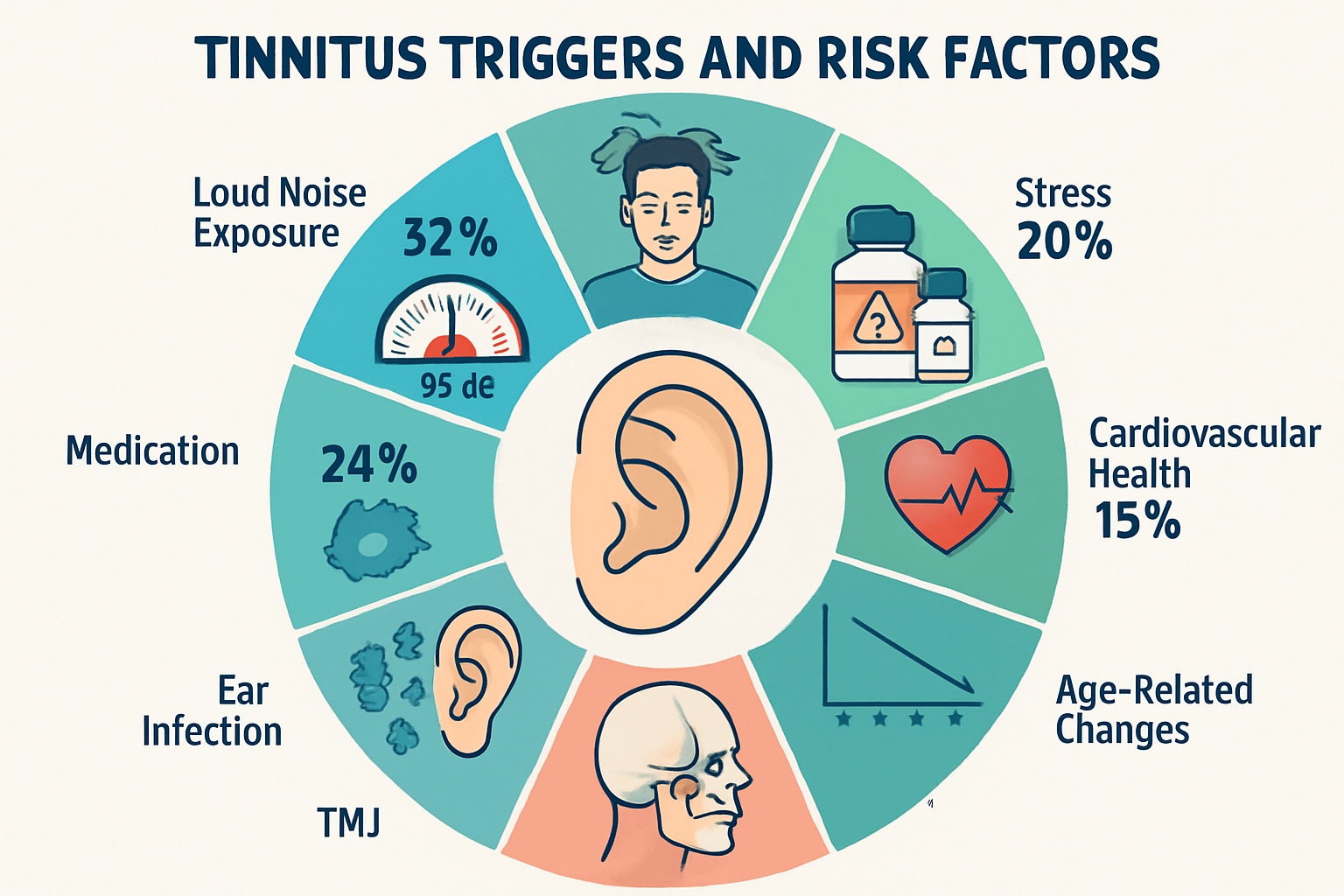
Loud noise exposure is one of the most prevalent causes of tinnitus, particularly among younger people. When you’re exposed to sounds above 85 decibels (dB) for extended periods, or sudden extremely loud sounds, the hair cells in your cochlea can become damaged or destroyed.
Common sources of damaging noise include:
- Concerts and music venues (often 110-120 dB)
- Power tools and machinery (90-110 dB)
- Firearms (140-190 dB)
- Personal music devices at high volume (100-110 dB)
- Motorcycles and recreational vehicles (90-100 dB)
The relationship between noise exposure and hearing damage is well-documented, and you can learn more about understanding hearing damage and its long-term effects.
Age-Related Hearing Loss (Presbycusis)
As we age, the structures in our inner ear naturally deteriorate. This age-related hearing loss, called presbycusis, typically begins around age 60 and affects higher frequencies first. The gradual loss of hair cells and changes in blood supply to the ear can trigger tinnitus in many older adults.
Seniors experiencing hearing challenges can benefit from effective hearing health strategies designed specifically for age-related changes.
Ear Infections and Blockages
Physical obstructions or infections in the ear can cause temporary or persistent tinnitus:
- Earwax buildup: Excessive cerumen can press against the eardrum, causing irritation and tinnitus
- Ear infections: Middle ear infections (otitis media) create fluid buildup and inflammation
- Eustachian tube dysfunction: When this tube doesn’t open properly, pressure imbalances can occur
- Foreign objects: Anything lodged in the ear canal can cause irritation
Medications (Ototoxicity)
More than 200 medications are known to cause or worsen tinnitus [3]. These ototoxic drugs can damage the inner ear structures or affect the auditory nerve. Common culprits include:
High-risk medications:
- Aspirin (in high doses, typically 12+ pills per day)
- Nonsteroidal anti-inflammatory drugs (NSAIDs)
- Certain antibiotics (aminoglycosides, erythromycin)
- Loop diuretics (furosemide, bumetanide)
- Chemotherapy drugs (cisplatin, carboplatin)
- Quinine-based medications
- Some antidepressants
The tinnitus caused by medications may be temporary or permanent, depending on the drug, dosage, and duration of use. Always consult your healthcare provider before stopping any prescribed medication.
Medical Conditions Associated with Tinnitus
Several health conditions can contribute to or cause tinnitus:
Cardiovascular Issues ❤️
High blood pressure, atherosclerosis, and other circulatory problems can cause pulsatile tinnitus. The turbulent blood flow through narrowed vessels near the ear creates audible sounds.
Temporomandibular Joint (TMJ) Disorders
Problems with the jaw joint, located very close to the ear, can trigger tinnitus. The shared nerve pathways between the jaw and ear mean that TMJ dysfunction can affect auditory perception.
Meniere’s Disease
This inner ear disorder causes episodes of vertigo, hearing loss, ear fullness, and tinnitus. It’s related to abnormal fluid buildup in the inner ear.
Acoustic Neuroma
This benign tumor on the auditory nerve can cause one-sided tinnitus, hearing loss, and balance problems. If you’re experiencing hearing loss in one ear and ringing symptoms, it’s important to seek medical evaluation.
Otosclerosis
Abnormal bone growth in the middle ear can restrict the movement of the tiny bones responsible for transmitting sound, leading to hearing loss and tinnitus.
Head and Neck Injuries
Traumatic brain injury, whiplash, or direct trauma to the ear can damage auditory structures or neural pathways, resulting in tinnitus.
Understanding the symptoms of ear nerve damage can help you recognize when professional medical attention is needed.
Lifestyle and Environmental Factors
Beyond medical causes, certain lifestyle factors can trigger or worsen tinnitus:
- Stress and anxiety: Emotional stress can amplify tinnitus perception and create a vicious cycle
- Sleep deprivation: Lack of sleep can increase tinnitus awareness and intensity
- Caffeine and alcohol: These substances can affect blood flow and neural activity
- Smoking: Nicotine restricts blood vessels, reducing oxygen supply to the ear
- Poor diet: Nutritional deficiencies may impact auditory health
Diagnosing Tinnitus: What to Expect
If you’re experiencing persistent tinnitus, seeking professional evaluation is important. While tinnitus itself is usually not dangerous, it can indicate underlying conditions that require treatment.
When to See a Doctor
Seek immediate medical attention if you experience:
- Sudden onset of tinnitus, especially in one ear
- Tinnitus accompanied by sudden hearing loss
- Pulsatile tinnitus (rhythmic, heartbeat-like sounds)
- Tinnitus with dizziness or vertigo
- Tinnitus with severe headaches
- Tinnitus following a head injury
Schedule an appointment if:
- Tinnitus persists for more than a week
- The sound significantly impacts your quality of life
- You have difficulty sleeping or concentrating
- Tinnitus is accompanied by gradual hearing loss
- You experience emotional distress related to the sounds
The Diagnostic Process
A comprehensive tinnitus evaluation typically involves several steps:
1. Medical History 📋
Your healthcare provider will ask detailed questions about:
- When the tinnitus started and how it has progressed
- Description of the sound (pitch, volume, quality)
- Which ear(s) are affected
- Factors that worsen or improve the symptoms
- Your medical history, medications, and noise exposure
- Impact on daily activities, sleep, and emotional well-being
2. Physical Examination
The doctor will examine your ears, head, and neck, looking for:
- Earwax buildup or foreign objects
- Signs of infection or inflammation
- Eardrum abnormalities
- TMJ problems
- Cardiovascular issues that might cause pulsatile tinnitus
3. Hearing Tests (Audiological Evaluation)
An audiologist will conduct various tests:
- Pure-tone audiometry: Determines your hearing threshold at different frequencies
- Speech audiometry: Assesses your ability to hear and understand speech
- Tympanometry: Measures middle ear function
- Otoacoustic emissions (OAE): Tests inner ear hair cell function
- Auditory brainstem response (ABR): Evaluates the auditory nerve pathway
4. Tinnitus-Specific Assessments
- Pitch matching: Identifying the frequency of your tinnitus
- Loudness matching: Determining the perceived volume
- Minimum masking level: Finding the sound level needed to cover the tinnitus
- Questionnaires: Assessing the impact on quality of life (Tinnitus Handicap Inventory, Tinnitus Functional Index)
5. Additional Tests (if needed)
Depending on your symptoms, your doctor may order:
- MRI or CT scans (to rule out tumors or structural abnormalities)
- Blood tests (to check for anemia, thyroid problems, or vitamin deficiencies)
- Vascular studies (for pulsatile tinnitus)
For comprehensive information about hearing loss symptoms that may accompany tinnitus, additional resources are available.
Treatment and Management Options for Tinnitus
While there’s currently no cure for most cases of tinnitus, numerous treatment approaches can significantly reduce its impact on your life. The key is finding the right combination of strategies that work for you.
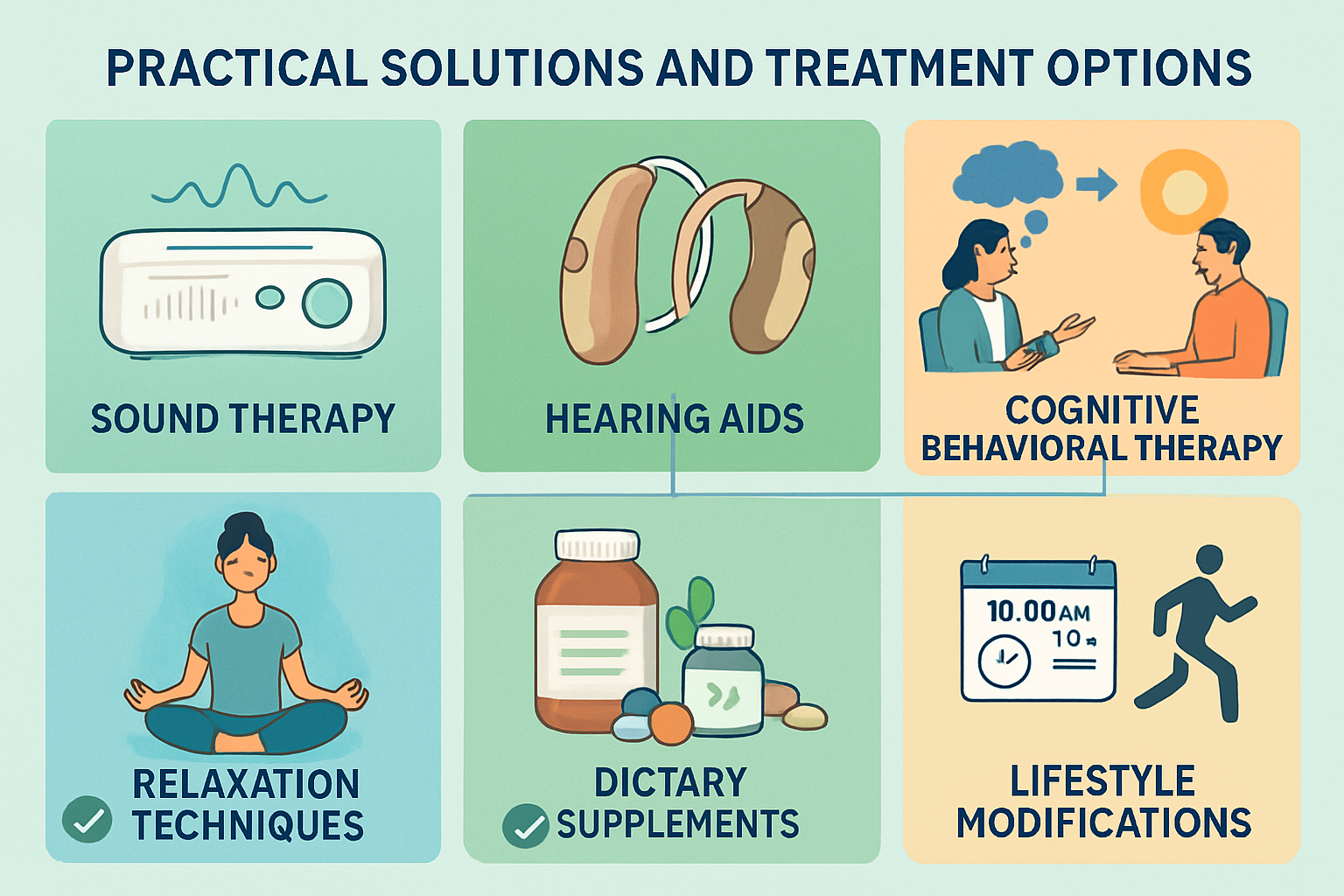
Sound Therapy and Masking
Sound therapy works by introducing external sounds that make tinnitus less noticeable. This approach is based on the principle that tinnitus becomes more bothersome in quiet environments.
Types of sound therapy:
White Noise Machines 🌊
These devices produce a consistent, soothing sound (like rainfall, ocean waves, or static) that can mask tinnitus, especially during sleep.
Hearing Aids
If you have hearing loss along with tinnitus (which is common), hearing aids can be doubly beneficial. They amplify external sounds, making tinnitus less noticeable while improving overall hearing. Many modern hearing aids include built-in tinnitus masking features.
Tinnitus Maskers
These are specialized devices worn in or behind the ear that generate low-level sounds specifically calibrated to your tinnitus frequency.
Smartphone Apps
Numerous apps offer customizable soundscapes, nature sounds, and white noise specifically designed for tinnitus relief.
Environmental Sound Enrichment
Simply adding background sounds to your environment—a fan, soft music, or nature recordings—can provide relief without special equipment.
Cognitive Behavioral Therapy (CBT)
CBT is one of the most effective psychological approaches for tinnitus management [4]. It doesn’t eliminate the sound but changes how you react to it.
How CBT helps:
- Identifies and challenges negative thought patterns about tinnitus
- Teaches coping strategies and relaxation techniques
- Reduces anxiety and depression associated with tinnitus
- Improves sleep quality
- Helps break the cycle of tinnitus-related distress
Many people find that after CBT, while the tinnitus remains, it no longer controls their life or causes significant distress.
Tinnitus Retraining Therapy (TRT)
TRT combines sound therapy with counseling to help your brain reclassify tinnitus as an unimportant sound that can be ignored, similar to how you tune out the hum of a refrigerator.
TRT components:
- Directive counseling: Education about tinnitus mechanisms and the habituation process
- Sound therapy: Using low-level broadband noise to facilitate habituation
- Time: The process typically takes 12-24 months
TRT has shown success rates of 80-85% in reducing tinnitus distress [5].
Medications
While no FDA-approved medication specifically treats tinnitus, several drugs may help manage associated symptoms:
Medications that may be prescribed:
- Antidepressants (tricyclics or SSRIs): For anxiety and depression related to tinnitus
- Anti-anxiety medications: For short-term relief of severe distress
- Sleep aids: To address tinnitus-related insomnia
- Lidocaine: Occasionally used in severe cases (intravenous administration)
It’s important to note that medications should be used cautiously, as some can actually worsen tinnitus. Always work with a healthcare provider experienced in tinnitus management.
Complementary and Alternative Approaches
Some people find relief through alternative therapies, though scientific evidence varies:
Approaches with some supporting evidence:
- Acupuncture: May help some individuals, particularly with stress-related tinnitus
- Mindfulness meditation: Reduces stress and improves tinnitus coping
- Yoga and tai chi: Promote relaxation and stress reduction
- Biofeedback: Teaches control over physiological responses to stress
Supplements and vitamins:
While research is mixed, some people report benefits from:
- Ginkgo biloba (though large studies show limited effectiveness)
- Zinc supplements (if deficient)
- Magnesium
- Vitamin B12 (if deficient)
For more information about hearing support supplements and their potential role in auditory health, additional resources can provide guidance.
Before trying any supplement, consult your healthcare provider, as some can interact with medications or have side effects.
Lifestyle Modifications
Simple changes to your daily routine can make a significant difference:
Protect your ears 👂
- Use earplugs or earmuffs in loud environments
- Keep personal music device volume at 60% or lower
- Take breaks from noisy environments
- Maintain safe distance from loud sound sources
Manage stress
- Practice relaxation techniques (deep breathing, progressive muscle relaxation)
- Exercise regularly
- Maintain social connections
- Consider counseling or therapy if needed
Improve sleep hygiene
- Use sound enrichment at bedtime
- Maintain a consistent sleep schedule
- Create a comfortable sleep environment
- Limit screen time before bed
Dietary considerations
- Limit caffeine and alcohol
- Reduce sodium intake (especially if you have Meniere’s disease)
- Stay hydrated
- Avoid trigger foods if you notice correlations
Cardiovascular health
- Exercise regularly
- Maintain healthy blood pressure
- Manage cholesterol levels
- Quit smoking
Emerging Treatments
Research into tinnitus treatment continues, with several promising approaches in development:
- Neuromodulation: Using electrical or magnetic stimulation to alter neural activity
- Sound therapy apps with AI: Personalized sound therapy based on individual tinnitus characteristics
- Pharmaceutical developments: New drugs targeting specific tinnitus mechanisms
- Vagus nerve stimulation: Combined with sound therapy to promote neural plasticity
- Cochlear implants: For severe hearing loss with tinnitus
Natural and Home Remedies for Tinnitus Relief
Many people successfully manage their tinnitus using natural approaches and home remedies. While these won’t cure tinnitus, they can provide significant relief and improve quality of life.
For a comprehensive guide to natural remedies for tinnitus treatments at home, various proven strategies can be implemented immediately.
Sound-Based Home Strategies
Create a sound-rich environment:
- Open windows to allow natural sounds in
- Use a fan or air purifier for consistent background noise
- Play soft instrumental music
- Use nature sound recordings (rain, ocean, forest)
- Install a small indoor fountain
Bedtime sound strategies:
- Position a sound machine near your bed
- Use pillow speakers that only you can hear
- Try different sound types to find what works best
- Gradually reduce volume as you become sleepy
Stress Reduction Techniques
Since stress often worsens tinnitus, managing stress is crucial:
Deep breathing exercises 🧘
- 4-7-8 breathing: Inhale for 4 counts, hold for 7, exhale for 8
- Diaphragmatic breathing: Focus on belly expansion
- Practice for 5-10 minutes daily
Progressive muscle relaxation
- Systematically tense and relax muscle groups
- Start with your toes and work up to your head
- Helps release physical tension that can worsen tinnitus
Mindfulness meditation
- Focus on present moment awareness
- Observe tinnitus without judgment
- Use guided meditation apps specifically for tinnitus
Visualization
- Imagine the tinnitus sound as a visual image
- Mentally change its characteristics (color, size, intensity)
- Visualize it fading or moving away
Dietary Approaches
While diet alone won’t cure tinnitus, certain nutritional strategies may help:
Foods that may help:
- Omega-3 rich foods (salmon, walnuts, flaxseed)
- Antioxidant-rich fruits and vegetables
- Zinc-rich foods (oysters, beef, pumpkin seeds)
- Magnesium sources (spinach, almonds, black beans)
- Vitamin B12 foods (eggs, dairy, fortified cereals)
Foods and substances to limit:
- Excessive salt (can worsen fluid retention)
- Caffeine (may increase tinnitus in some people)
- Alcohol (can temporarily worsen symptoms)
- Processed foods high in sugar
- MSG and artificial sweeteners (potential triggers for some)
Exercise and Physical Activity
Regular exercise offers multiple benefits for tinnitus sufferers:
Benefits of exercise:
- Improves blood circulation to the ears
- Reduces stress and anxiety
- Promotes better sleep
- Releases endorphins that improve mood
- Provides distraction from tinnitus
Recommended activities:
- Walking or jogging (30 minutes daily)
- Swimming (gentle on joints, good cardiovascular workout)
- Yoga (combines physical activity with stress reduction)
- Cycling
- Tai chi (low-impact, meditative movement)
Exercise precautions:
- Avoid extremely loud gym environments
- Use ear protection if needed
- Stay hydrated
- Don’t overexert (excessive fatigue can worsen tinnitus)
Sleep Optimization
Quality sleep is essential for tinnitus management, yet tinnitus often disrupts sleep. Break this cycle with these strategies:
Sleep environment modifications:
- Use sound enrichment (white noise, nature sounds)
- Ensure comfortable room temperature
- Block out light with blackout curtains
- Invest in a comfortable mattress and pillows
- Remove electronic devices
Pre-sleep routine:
- Establish consistent bedtime and wake time
- Avoid screens 1-2 hours before bed
- Practice relaxation techniques
- Take a warm bath
- Read or listen to calming music
- Avoid caffeine after 2 PM
If you can’t sleep:
- Don’t lie awake frustrated—get up and do a quiet activity
- Return to bed when sleepy
- Practice acceptance rather than fighting the tinnitus
- Use guided sleep meditations
Neck and Jaw Exercises
For somatic tinnitus related to neck or jaw tension:
Gentle neck stretches:
- Slowly tilt head side to side
- Roll shoulders backward and forward
- Gently rotate head in circles
- Hold stretches for 15-30 seconds
Jaw exercises:
- Gentle jaw massage
- Avoid clenching or grinding teeth
- Practice relaxed jaw position
- Consider a night guard if you grind teeth
Posture improvement:
- Maintain proper sitting and standing posture
- Take frequent breaks from computer work
- Use ergonomic furniture
- Consider physical therapy if needed
Living with Tinnitus: Practical Coping Strategies
Learning to live well with tinnitus is a journey that involves both practical strategies and mindset shifts. While the condition can be challenging, many people successfully adapt and maintain excellent quality of life.
Understanding Habituation
Habituation is the process by which your brain learns to filter out the tinnitus sound, relegating it to background noise that doesn’t demand attention. This is similar to how you stop noticing the feel of clothes on your skin or the sound of traffic outside your home.
The habituation process:
- Initial distress: Tinnitus is new, frightening, and demands attention
- Awareness without distress: You notice the tinnitus but it doesn’t cause anxiety
- Reduced awareness: You only notice tinnitus when you focus on it
- Habituation: Tinnitus rarely enters your conscious awareness
Most people can achieve significant habituation within 6-24 months with proper management strategies.
Emotional and Mental Health Support
Tinnitus can take an emotional toll, leading to anxiety, depression, and social isolation. Addressing these psychological aspects is crucial.
Recognize the emotional impact:
- Frustration and anger are normal reactions
- Anxiety about the future is common
- Grief for the silence you’ve lost is valid
- Depression can develop if tinnitus significantly impacts life quality
Seek support:
- Join tinnitus support groups (online or in-person)
- Consider individual counseling or therapy
- Share your experience with trusted friends and family
- Connect with others who understand the challenge
For comprehensive information about seeking relief and assistance, professional resources can provide valuable guidance.
Maintain perspective:
- Tinnitus is not life-threatening
- Most people adapt successfully over time
- Focus on what you can control
- Celebrate small improvements
- Practice self-compassion
Communication Strategies
If tinnitus affects your hearing or concentration, these communication tips can help:
In conversations:
- Position yourself to see speakers’ faces
- Reduce background noise when possible
- Ask people to speak clearly (not necessarily louder)
- Don’t hesitate to ask for repetition
- Inform others about your tinnitus if comfortable
At work:
- Use sound enrichment in your workspace if allowed
- Take breaks in quiet spaces when overwhelmed
- Request accommodations if needed
- Manage stress through time management
- Use written communication when helpful
Building Your Support Network
You don’t have to manage tinnitus alone:
Healthcare team:
- Audiologist specializing in tinnitus
- Ear, nose, and throat (ENT) specialist
- Primary care physician
- Mental health professional
- Physical therapist (for somatic tinnitus)
Personal support:
- Understanding family and friends
- Support group members
- Online communities
- Tinnitus advocacy organizations
Educational resources:
- American Tinnitus Association
- British Tinnitus Association
- Hearing Loss Association of America
- Reputable websites like Improve Hearing Health
Staying Positive and Proactive
Maintaining a positive outlook while being realistic about challenges is important:
Focus on what you can control:
- Your response to tinnitus
- Treatment and management strategies you try
- Lifestyle choices that affect symptoms
- How you spend your time and energy
- Your attitude and perspective
Practice gratitude:
- Acknowledge the senses and abilities you do have
- Appreciate quiet moments when tinnitus is less noticeable
- Recognize progress, however small
- Value supportive relationships
- Find meaning beyond tinnitus
Set realistic goals:
- Aim for management, not perfection
- Celebrate small victories
- Be patient with the habituation process
- Adjust expectations as needed
- Focus on quality of life, not silence
Preventing Tinnitus: Protecting Your Hearing Health
While not all tinnitus is preventable, taking proactive steps to protect your hearing can significantly reduce your risk.
Noise Protection Strategies
Know your decibel levels:
- 85 dB: Maximum safe exposure for 8 hours
- 90 dB: Safe for only 2 hours
- 95 dB: Safe for only 47 minutes
- 100 dB: Safe for only 15 minutes
- 110 dB: Safe for only 2 minutes
- 120 dB+: Immediate damage possible
Use hearing protection: 🎧
- Foam earplugs: Reduce noise by 15-30 dB
- Reusable earplugs: More comfortable for regular use
- Earmuffs: Provide 15-35 dB reduction
- Custom-molded plugs: Best fit and protection
- Musician’s earplugs: Reduce volume while maintaining sound quality
When to use protection:
- Concerts and live music events
- Sporting events
- Power tool use
- Lawn care equipment
- Shooting ranges
- Loud workplace environments
- Motorcycles and ATVs
- Fireworks displays
The 60/60 rule for headphones:
- Keep volume at 60% of maximum
- Limit listening to 60 minutes at a time
- Take regular breaks
- Use noise-canceling headphones to avoid turning up volume in noisy environments
Regular Hearing Checkups
Recommended screening schedule:
- Baseline hearing test in early adulthood
- Every 10 years until age 50
- Every 3 years after age 50
- Annually if you work in noisy environments
- Immediately if you notice changes
Early detection of hearing loss allows for intervention before tinnitus develops or worsens.
Medication Awareness
Before taking any new medication:
- Ask your doctor or pharmacist about ototoxic effects
- Report existing tinnitus to healthcare providers
- Discuss alternatives if a medication is known to affect hearing
- Monitor for new or worsening tinnitus when starting medications
- Never stop prescribed medications without medical guidance
Cardiovascular Health
Maintaining good cardiovascular health benefits your ears:
Heart-healthy habits:
- Exercise regularly (150 minutes moderate activity weekly)
- Maintain healthy blood pressure (below 120/80 mmHg)
- Keep cholesterol in healthy ranges
- Manage diabetes effectively
- Quit smoking
- Limit alcohol consumption
- Maintain healthy weight
Stress Management
Chronic stress can contribute to tinnitus development and worsen existing symptoms:
Stress reduction practices:
- Regular exercise
- Adequate sleep (7-9 hours nightly)
- Meditation or mindfulness
- Hobbies and enjoyable activities
- Social connections
- Professional help when needed
- Work-life balance
Ear Care Best Practices
Proper ear hygiene:
- Never insert cotton swabs into ear canal
- Let earwax naturally migrate out
- See a professional for earwax removal if needed
- Dry ears gently after swimming or bathing
- Treat ear infections promptly
- Avoid inserting foreign objects in ears
Protect ears during illness:
- Treat upper respiratory infections
- Manage allergies effectively
- Use decongestants as directed
- Practice gentle nose-blowing technique
- Stay hydrated
Tinnitus Myths and Facts
Separating fact from fiction helps you make informed decisions about tinnitus management.
Common Myths Debunked
Myth #1: “Nothing can be done about tinnitus.”
❌ Fact: While there’s no universal cure, numerous effective management strategies exist. Most people can significantly reduce tinnitus impact through sound therapy, CBT, lifestyle changes, and other approaches.
Myth #2: “Tinnitus always means you’re going deaf.”
❌ Fact: While tinnitus often accompanies hearing loss, many people with tinnitus have normal hearing. Tinnitus is a symptom with various causes, not all related to progressive hearing loss.
Myth #3: “You just have to learn to live with it.”
❌ Fact: This dismissive statement minimizes the real impact of tinnitus. While adaptation is part of the journey, active management strategies can dramatically improve quality of life.
Myth #4: “Tinnitus is all in your head/psychological.”
❌ Fact: Tinnitus is a real physiological phenomenon involving the auditory system. While psychological factors affect how we perceive and react to it, the sound perception itself is not imaginary.
Myth #5: “Hearing aids don’t help with tinnitus.”
❌ Fact: For people with both hearing loss and tinnitus, hearing aids are often very effective. They provide sound enrichment and reduce the contrast between silence and tinnitus.
Myth #6: “Tinnitus will definitely get worse over time.”
❌ Fact: Many people experience stable tinnitus or even improvement, especially with proper management. Habituation often makes tinnitus less noticeable over time.
Myth #7: “Special diets or supplements can cure tinnitus.”
❌ Fact: While good nutrition supports overall health and some supplements may help if you have deficiencies, no diet or supplement has been proven to cure tinnitus. Be wary of products making cure claims.
Myth #8: “Tinnitus only affects older people.”
❌ Fact: While more common with age, tinnitus affects people of all ages, including children. Noise exposure among younger people is increasing tinnitus rates in this demographic.
Special Considerations: Tinnitus in Different Populations
Tinnitus affects people differently based on age, occupation, and other factors.
Tinnitus in Children and Adolescents
Children experience tinnitus more often than many realize, but they may not report it or understand what they’re experiencing.
Signs a child might have tinnitus:
- Difficulty concentrating
- Sleep problems
- Asking for TV or music to be louder
- Complaints about ear noises
- Behavioral changes
- Academic difficulties
Helping children cope:
- Explain tinnitus in age-appropriate terms
- Provide sound enrichment, especially at bedtime
- Maintain calm, reassuring attitude
- Teach relaxation techniques
- Monitor for emotional distress
- Work with school if needed
Tinnitus in Musicians and Music Professionals
Musicians face unique challenges with tinnitus due to regular exposure to loud music.
Prevention for musicians:
- Use musician’s earplugs that reduce volume while preserving sound quality
- Monitor sound levels during rehearsals and performances
- Take listening breaks
- Position yourself strategically relative to loud instruments
- Use in-ear monitors at appropriate volumes
- Get regular hearing tests
Tinnitus in Military Veterans
Veterans experience tinnitus at higher rates due to noise exposure from weapons, aircraft, and machinery. Tinnitus is the #1 service-connected disability among veterans [6].
Resources for veterans:
- VA audiology services
- Tinnitus management programs at VA facilities
- Service-connected disability compensation
- Specialized veteran support groups
Tinnitus and Pregnancy
Some women develop or experience worsened tinnitus during pregnancy due to:
- Hormonal changes
- Increased blood volume
- Fluid retention
- Stress and sleep disruption
Most pregnancy-related tinnitus improves after delivery. Consult your obstetrician about safe management strategies during pregnancy.
When Tinnitus Requires Emergency Care
While tinnitus is rarely a medical emergency, certain situations require immediate attention:
Seek emergency care if tinnitus occurs with:
- Sudden, severe headache
- Weakness or numbness on one side of the body
- Difficulty speaking or understanding speech
- Vision changes
- Severe dizziness or inability to walk
- Facial drooping
- Confusion or altered consciousness
These symptoms could indicate stroke or other serious neurological conditions.
Seek urgent (same-day) care for:
- Sudden hearing loss with tinnitus
- Severe vertigo with tinnitus
- Tinnitus after head trauma
- Severe pain with tinnitus
- Discharge from the ear
- Fever with ear symptoms
The Future of Tinnitus Research and Treatment
Research into tinnitus continues to advance, offering hope for improved treatments and potentially a cure.
Current Research Areas
Neuroplasticity and brain retraining:
Scientists are exploring how to harness the brain’s ability to reorganize itself, potentially “retraining” it to ignore tinnitus signals.
Pharmacological developments:
Researchers are investigating drugs that target specific neurotransmitters and neural pathways involved in tinnitus generation.
Neuromodulation techniques:
- Transcranial magnetic stimulation (TMS)
- Transcranial direct current stimulation (tDCS)
- Vagus nerve stimulation paired with sound therapy
- Deep brain stimulation (for severe cases)
Genetic research:
Understanding genetic factors that predispose some people to tinnitus could lead to personalized prevention and treatment strategies.
Regenerative medicine:
Research into regenerating damaged hair cells in the cochlea could potentially prevent or reverse some forms of tinnitus.
Artificial intelligence:
AI is being used to:
- Personalize sound therapy
- Predict treatment outcomes
- Identify tinnitus subtypes
- Develop more effective management apps
Participating in Research
If you’re interested in contributing to tinnitus research:
- Contact universities with audiology research programs
- Check ClinicalTrials.gov for ongoing studies
- Join patient registries
- Participate in surveys and data collection
- Support tinnitus research organizations
Conclusion: Taking Control of Your Tinnitus Journey
Living with tinnitus can be challenging, but understanding the condition empowers you to take control of your experience. While that ringing, buzzing, or humming in your ears may feel overwhelming right now, remember that millions of people successfully manage tinnitus and maintain excellent quality of life.
Your action plan moving forward:
Seek professional evaluation – If you haven’t already, schedule an appointment with an audiologist or ENT specialist to identify any underlying causes and rule out serious conditions.
Try multiple management strategies – What works varies from person to person. Experiment with sound therapy, relaxation techniques, lifestyle modifications, and other approaches to find your optimal combination.
Protect your hearing – Prevent further damage by using hearing protection in loud environments and following safe listening practices.
Address the emotional impact – Don’t hesitate to seek support for anxiety, depression, or stress related to tinnitus. Mental health is integral to successful tinnitus management.
Be patient with habituation – Adaptation takes time. Most people notice significant improvement within 6-24 months of implementing management strategies.
Stay informed – Tinnitus research is advancing rapidly. Stay connected with reputable sources for updates on new treatments and strategies.
Connect with others – Join support groups, online communities, or connect with others who understand the tinnitus experience.
Focus on what you can control – While you may not be able to eliminate the sound, you can control your response to it and the steps you take to manage it.
Remember, tinnitus is a symptom, not a life sentence. With the right approach, support, and mindset, you can reduce its impact and reclaim your peace of mind. The journey may have challenges, but you don’t have to walk it alone. Resources, treatments, and support are available to help you every step of the way.
Take that first step today—whether it’s scheduling a doctor’s appointment, trying a new sound therapy technique, or simply reaching out to connect with others who understand. Your path to better tinnitus management starts now.
🔊 Tinnitus Severity Assessment
Answer these questions to assess the impact of your tinnitus. This tool is based on the Tinnitus Handicap Inventory (THI) screening questionnaire.
References
[1] Jarach, C. M., Lugo, A., Scala, M., van den Brandt, P. A., Cederroth, C. R., Odone, A., … & Gallus, S. (2022). Global prevalence and incidence of tinnitus: A systematic review and meta-analysis. JAMA Neurology, 79(9), 888-900.
[2] Eggermont, J. J., & Roberts, L. E. (2004). The neuroscience of tinnitus. Trends in Neurosciences, 27(11), 676-682.
[3] Cianfrone, G., Pentangelo, D., Cianfrone, F., Mazzei, F., Turchetta, R., Orlando, M. P., & Altissimi, G. (2011). Pharmacological drugs inducing ototoxicity, vestibular symptoms and tinnitus: A reasoned and updated guide. European Review for Medical and Pharmacological Sciences, 15(6), 601-636.
[4] Martinez-Devesa, P., Perera, R., Theodoulou, M., & Waddell, A. (2010). Cognitive behavioural therapy for tinnitus. Cochrane Database of Systematic Reviews, (9).
[5] Jastreboff, P. J., & Jastreboff, M. M. (2006). Tinnitus retraining therapy: A different view on tinnitus. ORL, 68(1), 23-30.
[6] U.S. Department of Veterans Affairs. (2023). Annual Benefits Report: Fiscal Year 2022. Veterans Benefits Administration.
SEO Meta Title and Description
Meta Title (58 characters):
Tinnitus Guide: Causes, Symptoms & Relief Options 2025
Meta Description (158 characters):
Comprehensive guide to understanding tinnitus – why your ears are ringing, common causes, proven treatments, and effective relief strategies to manage symptoms.
