
Understanding Ear Ringing: Your Complete Guide to Causes, Relief, and Treatment
Have you ever experienced a persistent buzzing, humming, or ringing sound in your ears that no one else can hear? You’re not alone. Millions of people worldwide experience ear ringing, a condition medically known as tinnitus, and the experience can range from mildly annoying to seriously disruptive. Whether you’ve just noticed this phantom sound or you’ve been dealing with it for years, understanding what’s happening in your ears is the first step toward finding relief and reclaiming your peace of mind.
Ear ringing affects approximately 15-20% of people globally, making it one of the most common hearing-related complaints [1]. While it’s not a disease itself, ear ringing serves as a symptom that something in your auditory system needs attention. The good news? For most people, there are effective strategies to manage, reduce, or even eliminate this bothersome condition.
Key Takeaways
- Ear ringing (tinnitus) is a symptom, not a disease – It signals that something in your auditory system needs attention, ranging from simple earwax buildup to more complex nerve issues.
- Multiple causes exist – Loud noise exposure, age-related hearing changes, medications, stress, and underlying health conditions can all trigger ear ringing.
- Treatment options are available – From sound therapy and lifestyle modifications to medical interventions and natural remedies, various approaches can provide relief.
- Early intervention matters – Consulting a healthcare professional when ear ringing persists helps identify underlying causes and prevents potential complications.
- Quality of life can improve – With proper management strategies, most people with ear ringing can significantly reduce its impact on daily activities and sleep.
What Is Ear Ringing? 🔔
Ear ringing, scientifically termed tinnitus, refers to the perception of sound when no external sound source is present. The experience varies dramatically from person to person. Some describe it as:
- A high-pitched ringing or whistling
- A low-frequency humming or buzzing
- A clicking or pulsing sound
- A roaring or hissing noise
- Multiple sounds occurring simultaneously
Types of Ear Ringing
Understanding the different types of ear ringing helps identify potential causes and treatment approaches:
| Type | Description | Common Causes |
|---|---|---|
| Subjective Tinnitus | Only you can hear the sound (95% of cases) | Hearing loss, noise exposure, medications |
| Objective Tinnitus | A healthcare provider can detect the sound | Blood vessel disorders, muscle contractions |
| Pulsatile Tinnitus | Rhythmic sound matching your heartbeat | Vascular conditions, high blood pressure |
| Somatic Tinnitus | Sounds influenced by body movements | Jaw problems, neck issues, muscle tension |
The intensity of ear ringing also varies considerably. Some people notice it only in quiet environments, while others experience constant, intrusive sounds that interfere with concentration, sleep, and emotional well-being.
“Tinnitus is not just a hearing problem—it’s a whole-body experience that can affect sleep, concentration, and emotional health. Understanding this helps us develop more comprehensive treatment approaches.” — American Tinnitus Association
Common Causes of Ear Ringing 🎯
Identifying what triggers ear ringing is crucial for effective treatment. Let’s explore the most common culprits behind this frustrating condition.
Noise-Induced Damage
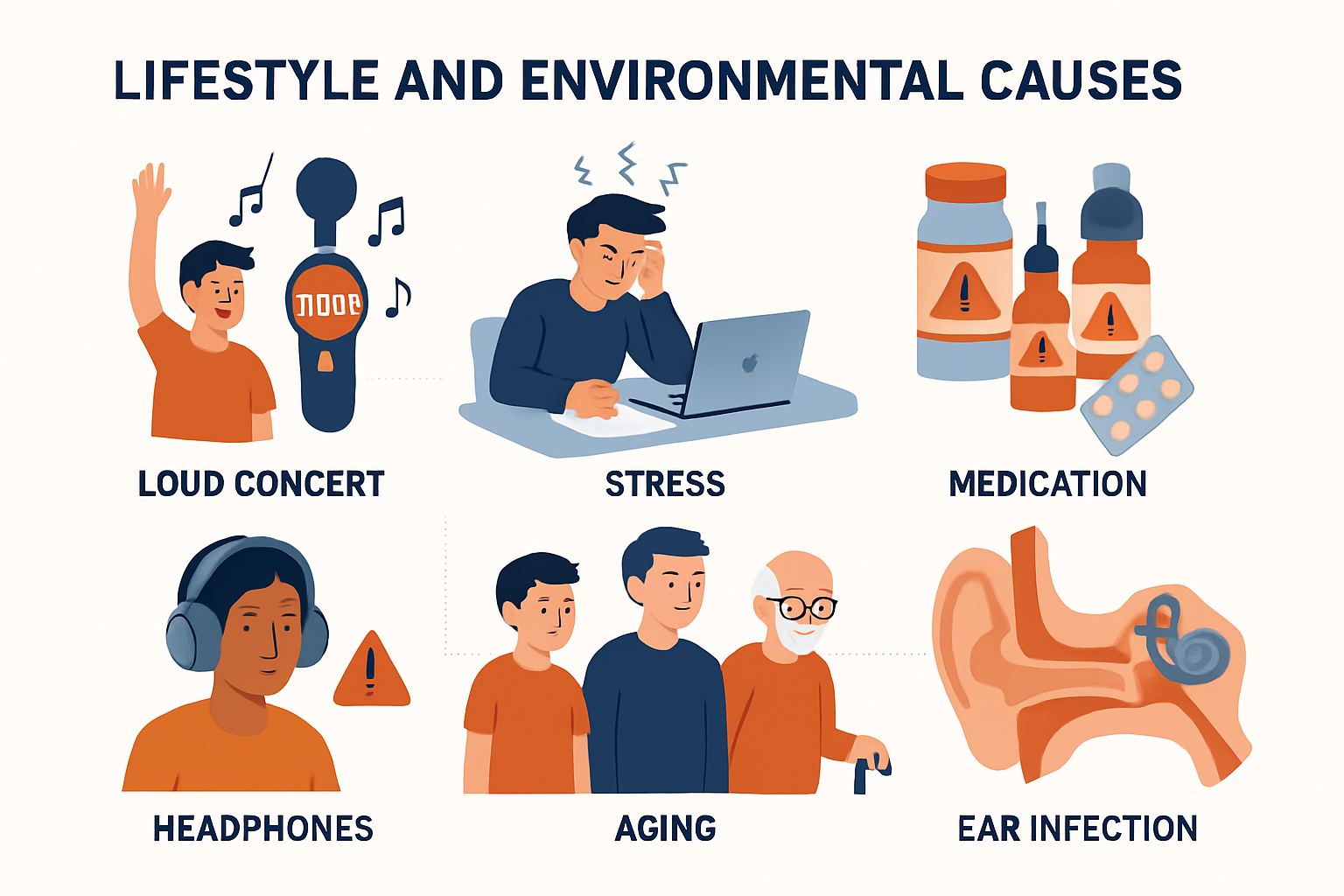
Loud noise exposure ranks as one of the leading causes of ear ringing. When sound waves enter your ear, tiny hair cells in the cochlea (inner ear) convert these vibrations into electrical signals your brain interprets as sound. Excessive noise damages or destroys these delicate hair cells, leading to both hearing loss and tinnitus [2].
Common sources of damaging noise include:
- Occupational exposure: Construction sites, factories, airports
- Recreational activities: Concerts, sporting events, hunting
- Personal audio devices: Headphones and earbuds at high volumes
- Sudden loud sounds: Explosions, gunfire, fireworks
Even a single exposure to extremely loud noise can trigger temporary or permanent ear ringing. For those interested in understanding more about hearing damage and its prevention, comprehensive resources are available.
Age-Related Hearing Changes
As we age, the natural deterioration of inner ear structures contributes to both hearing loss and ear ringing. This condition, called presbycusis, typically begins around age 60 and affects both ears equally [3].
The aging process impacts hearing through:
- Gradual loss of hair cells in the cochlea
- Reduced blood flow to the inner ear
- Changes in nerve pathways from ear to brain
- Structural changes in the middle ear
Hearing health strategies for seniors can help manage age-related changes and minimize their impact on quality of life.
Earwax Buildup and Blockages
Something as simple as excessive earwax can trigger ear ringing. When earwax accumulates and hardens, it blocks the ear canal, causing pressure changes and irritation that manifest as tinnitus.
Other blockages that may cause ear ringing include:
- Foreign objects in the ear canal
- Fluid from ear infections
- Swelling from allergies or colds
- Eustachian tube dysfunction
The good news? Ear ringing caused by blockages often resolves once the obstruction is safely removed by a healthcare professional.
Medications and Ototoxic Substances
More than 200 medications list tinnitus as a potential side effect [4]. These ototoxic (ear-damaging) substances can temporarily or permanently affect hearing structures.
Common medications associated with ear ringing:
High-Risk Medications:
- Aspirin (high doses)
- Nonsteroidal anti-inflammatory drugs (NSAIDs)
- Certain antibiotics (aminoglycosides, erythromycin)
- Loop diuretics
- Chemotherapy drugs (cisplatin, carboplatin)
Moderate-Risk Medications:
- Antidepressants
- Antimalarial drugs
- Some blood pressure medications
- Quinine
Never stop prescribed medications without consulting your healthcare provider. If you suspect your medication is causing ear ringing, discuss alternative options with your doctor.
Underlying Health Conditions
Ear ringing often serves as a symptom of broader health issues. Addressing these underlying conditions can significantly reduce or eliminate tinnitus.
Cardiovascular Conditions:
- High blood pressure
- Atherosclerosis (hardening of arteries)
- Heart valve disorders
- Blood vessel malformations
Metabolic Disorders:
- Diabetes
- Thyroid problems
- Vitamin B12 deficiency
- Anemia
Neurological Issues:
- Ménière’s disease
- Acoustic neuroma (benign tumor)
- Multiple sclerosis
- Head or neck injuries
Temporomandibular Joint (TMJ) Disorders:
Problems with the jaw joint located close to the ear can trigger or worsen ear ringing. TMJ-related tinnitus often changes with jaw movements.
For those experiencing hearing loss in one ear along with ringing, specialized evaluation is particularly important as this pattern may indicate specific underlying conditions.
Stress and Anxiety
The relationship between mental health and ear ringing creates a challenging cycle. Stress and anxiety can trigger or worsen tinnitus, while the constant perception of phantom sounds increases stress levels.
Research shows that:
- Stress activates the fight-or-flight response, increasing awareness of tinnitus
- Anxiety amplifies the brain’s attention to internal sounds
- Depression commonly co-occurs with chronic ear ringing
- Sleep deprivation (often caused by tinnitus) worsens both conditions
Breaking this cycle requires addressing both the physical and psychological aspects of ear ringing.
Recognizing Ear Ringing Symptoms and Patterns 📊
Understanding your specific ear ringing pattern helps healthcare providers diagnose the underlying cause and develop targeted treatment strategies.
Symptom Characteristics to Monitor
Keep track of these important details about your ear ringing:
Sound Quality:
- What does it sound like? (ringing, buzzing, humming, clicking)
- Is it high-pitched or low-pitched?
- Is it constant or intermittent?
- Does it pulse with your heartbeat?
Location:
- One ear or both ears?
- Does it seem to originate inside your head?
- Does the location change?
Timing:
- When did it start?
- Is it worse at certain times of day?
- Does it interfere with sleep?
- What makes it better or worse?
Severity:
- Rate the loudness on a scale of 1-10
- How much does it interfere with daily activities?
- Does it affect your ability to concentrate or hear conversations?
When to Seek Medical Attention 🚨
While occasional, brief ear ringing is common and usually harmless, certain symptoms warrant immediate medical evaluation:
Seek urgent care if you experience:
- Sudden onset of ear ringing with hearing loss
- Ear ringing in only one ear
- Pulsatile tinnitus (rhythmic, heartbeat-like sounds)
- Ear ringing accompanied by dizziness or vertigo
- Severe ear pain or discharge
- Ear ringing following head trauma
- Symptoms of ear nerve damage
Schedule a routine appointment if:
- Ear ringing persists for more than one week
- The sound progressively worsens
- It significantly impacts quality of life
- You notice accompanying hearing difficulties
- You want to explore treatment options
Early intervention often leads to better outcomes, particularly when ear ringing signals an underlying condition requiring treatment.
Diagnosing the Cause of Your Ear Ringing 🔍
Proper diagnosis forms the foundation of effective treatment. Healthcare providers use multiple approaches to identify what’s causing your ear ringing.
Medical Evaluation Process
A comprehensive evaluation for ear ringing typically includes:
1. Medical History Review
Your healthcare provider will ask detailed questions about:
- When the ear ringing started and how it has progressed
- Noise exposure history (occupational and recreational)
- Current and past medications
- Other medical conditions
- Family history of hearing problems
- Recent injuries or infections
2. Physical Examination
The examination focuses on:
- Visual inspection of ear canals and eardrums
- Checking for earwax buildup or blockages
- Jaw and neck examination
- Blood pressure measurement
- Neurological assessment
3. Hearing Tests (Audiometry)
Audiological testing helps identify hearing loss patterns and tinnitus characteristics:
- Pure-tone audiometry: Determines hearing thresholds at different frequencies
- Speech audiometry: Assesses ability to understand speech
- Tympanometry: Evaluates middle ear function
- Acoustic reflex testing: Checks middle ear muscle responses
- Otoacoustic emissions (OAE): Tests inner ear hair cell function
4. Tinnitus-Specific Assessments
- Pitch matching: Identifies the frequency of your tinnitus
- Loudness matching: Determines the perceived volume
- Minimum masking level: Finds the sound level needed to cover the tinnitus
Advanced Diagnostic Tests
When initial evaluations don’t reveal the cause, or if specific conditions are suspected, additional testing may include:
Imaging Studies:
- MRI (Magnetic Resonance Imaging): Detects tumors, vascular abnormalities, or structural issues
- CT Scan (Computed Tomography): Evaluates bone structures and identifies abnormalities
- Ultrasound: Assesses blood flow in cases of pulsatile tinnitus
Laboratory Tests:
- Blood tests to check thyroid function, vitamin levels, and blood cell counts
- Tests for autoimmune disorders
- Metabolic panels
Understanding the various causes for ear ringing helps patients prepare for diagnostic appointments and ask informed questions.
Treatment Options for Ear Ringing Relief 💊
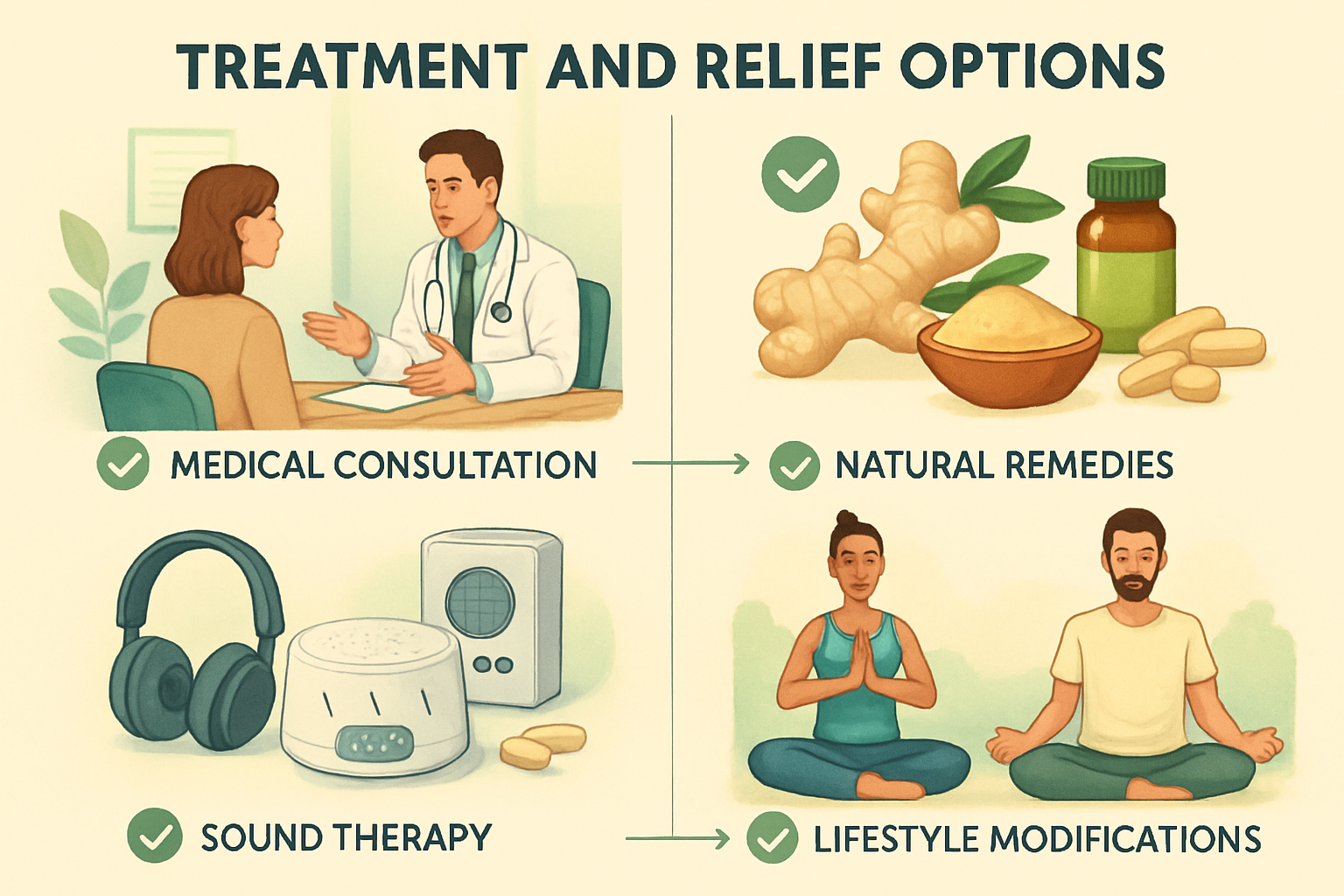
While there’s no universal cure for ear ringing, numerous treatment approaches can significantly reduce symptoms and improve quality of life. The most effective strategy often combines multiple interventions tailored to your specific situation.
Medical Treatments
Treating Underlying Conditions
When ear ringing stems from an identifiable medical condition, addressing that condition often reduces or eliminates tinnitus:
- Earwax removal: Professional cleaning resolves blockage-related tinnitus
- Medication adjustments: Switching ototoxic drugs to alternatives
- Blood pressure management: Controlling hypertension reduces pulsatile tinnitus
- TMJ treatment: Dental splints, physical therapy, or orthodontic work
- Infection treatment: Antibiotics for bacterial ear infections
Prescription Medications
While no FDA-approved medication specifically treats tinnitus, certain drugs may help manage symptoms:
- Antidepressants: Tricyclic antidepressants (amitriptyline, nortriptyline) may reduce tinnitus severity in some patients
- Anti-anxiety medications: Alprazolam and other benzodiazepines (used cautiously due to dependency risk)
- Anticonvulsants: Gabapentin has shown promise in some studies
These medications typically work by addressing the anxiety and depression that often accompany chronic ear ringing rather than directly treating the tinnitus itself.
Sound Therapy Approaches
Masking Devices
Sound therapy uses external noise to make ear ringing less noticeable. Options include:
- White noise machines: Generate soothing sounds (rain, ocean waves, fan noise)
- Hearing aids: Amplify external sounds while masking tinnitus
- Tinnitus maskers: Wearable devices producing soft, pleasant sounds
- Smartphone apps: Customizable sound therapy programs
- Bedside sound machines: Specifically designed for nighttime use
Notched Music Therapy
This innovative approach uses specially filtered music with frequencies matching your tinnitus removed. Regular listening may reduce tinnitus perception over time [5].
Acoustic Coordinated Reset (ACR) Therapy
ACR delivers precisely timed tones designed to disrupt the abnormal neural activity causing tinnitus. Research shows promising results for some patients [6].
Cognitive and Behavioral Therapies
Cognitive Behavioral Therapy (CBT)
CBT doesn’t eliminate ear ringing but changes how you react to it. This evidence-based approach helps:
- Identify and modify negative thought patterns about tinnitus
- Develop coping strategies for difficult moments
- Reduce anxiety and depression related to ear ringing
- Improve sleep quality despite tinnitus
- Enhance overall quality of life
Studies consistently show CBT as one of the most effective interventions for tinnitus-related distress [7].
Tinnitus Retraining Therapy (TRT)
TRT combines sound therapy with counseling to help your brain reclassify tinnitus as an unimportant sound worthy of ignoring. The process typically takes 12-24 months but shows success rates of 80% or higher [8].
Mindfulness and Meditation
Mindfulness practices teach acceptance of tinnitus rather than resistance, reducing the stress response it triggers. Regular meditation can:
- Decrease tinnitus-related distress
- Improve emotional regulation
- Enhance sleep quality
- Reduce anxiety and depression
Natural and Alternative Remedies
Many people find relief through natural approaches, though scientific evidence varies. Those interested in natural remedies for tinnitus can explore various options.
Dietary Supplements
Several supplements show potential for reducing ear ringing:
- Ginkgo biloba: May improve blood flow to the inner ear (evidence mixed)
- Zinc: Deficiency linked to tinnitus; supplementation may help if levels are low
- Magnesium: Protects against noise-induced hearing damage
- Vitamin B12: Deficiency associated with tinnitus
- Melatonin: Improves sleep quality, particularly helpful for nighttime tinnitus
For comprehensive information about hearing support supplements, additional resources provide detailed guidance.
Acupuncture
Some studies suggest acupuncture may reduce tinnitus severity, though results are inconsistent. The treatment appears most effective when combined with other approaches.
Herbal Remedies
Traditional remedies include:
- Ginger (anti-inflammatory properties)
- Garlic (improves circulation)
- Green tea (antioxidant effects)
- Turmeric (reduces inflammation)
Always consult healthcare providers before starting supplements, as they can interact with medications or have side effects.
Lifestyle Modifications
Simple daily changes can significantly impact ear ringing severity:
Protect Your Ears:
- Wear earplugs or earmuffs in loud environments
- Keep personal audio device volume at 60% or lower
- Take breaks from noisy activities
- Maintain safe distance from loud speakers
Manage Stress:
- Practice regular relaxation techniques
- Exercise regularly (30 minutes most days)
- Maintain consistent sleep schedule
- Engage in enjoyable hobbies
Dietary Adjustments:
- Limit caffeine and alcohol (can worsen tinnitus)
- Reduce salt intake (helps with Ménière’s disease-related tinnitus)
- Stay hydrated
- Avoid trigger foods (varies by individual)
Optimize Sleep:
- Use sound machines or fans for background noise
- Maintain cool, dark bedroom environment
- Establish consistent bedtime routine
- Limit screen time before bed
Emerging and Experimental Treatments
Neuromodulation Techniques
- Transcranial Magnetic Stimulation (TMS): Uses magnetic fields to stimulate specific brain regions
- Transcranial Direct Current Stimulation (tDCS): Applies low electrical currents to modulate brain activity
- Vagus Nerve Stimulation: Paired with sound therapy to promote brain plasticity
Regenerative Medicine
Research into hair cell regeneration and stem cell therapy offers hope for future treatments, though these approaches remain experimental.
For those seeking help and assistance with tinnitus, comprehensive support resources are available.
Living Well with Ear Ringing: Practical Coping Strategies 🌟
For many people, ear ringing becomes a chronic condition requiring ongoing management. The following strategies help minimize its impact on daily life.
Creating a Tinnitus-Friendly Environment
At Home:
- Keep background sounds playing (TV, radio, fan) to reduce contrast with tinnitus
- Use sound machines in multiple rooms
- Avoid complete silence, which makes tinnitus more noticeable
- Create relaxing spaces for stress management
At Work:
- Use desktop sound machines or apps
- Wear hearing aids with masking features if appropriate
- Take regular breaks in quieter areas
- Communicate with supervisors about accommodations if needed
For Sleep:
- Establish consistent bedtime routine
- Use pillow speakers or bedside sound machines
- Try different sound types (white noise, nature sounds, soft music)
- Consider cognitive shuffle techniques to distract from tinnitus
Support and Resources
Support Groups
Connecting with others who understand ear ringing provides:
- Emotional validation and understanding
- Practical coping tips from experienced individuals
- Reduced feelings of isolation
- Information about new treatments and research
Both in-person and online support groups offer valuable communities.
Professional Counseling
Mental health support helps address:
- Depression and anxiety related to chronic tinnitus
- Relationship stress caused by the condition
- Sleep difficulties
- Quality of life concerns
Educational Resources
Staying informed empowers better self-management:
- American Tinnitus Association (ATA)
- British Tinnitus Association (BTA)
- Hearing Loss Association of America (HLAA)
- Improve Hearing Health for comprehensive information
Monitoring and Tracking
Keeping a tinnitus journal helps identify patterns and triggers:
Track these elements:
- Daily tinnitus severity (1-10 scale)
- Sleep quality and duration
- Stress levels
- Diet and caffeine intake
- Noise exposure
- Medication changes
- Activities that help or worsen symptoms
This information proves invaluable during medical appointments and helps optimize your management strategy.
Prevention: Protecting Your Ears from Future Damage 🛡️
While not all ear ringing is preventable, protecting your hearing significantly reduces risk.
Noise Protection Strategies
Occupational Protection:
- Use appropriate hearing protection (earplugs, earmuffs, or both)
- Follow workplace safety guidelines
- Request quieter equipment when possible
- Take breaks from noisy environments
- Monitor noise exposure with dosimeter apps
Recreational Protection:
- Wear musician’s earplugs at concerts and events
- Use noise-canceling headphones instead of increasing volume
- Follow the 60/60 rule: 60% volume for no more than 60 minutes
- Stand away from speakers at venues
- Give ears recovery time after loud events
Regular Hearing Assessments
Baseline Testing:
Establish baseline hearing levels in early adulthood, especially if you work in noisy environments or have risk factors.
Regular Monitoring:
- Annual hearing tests if you have risk factors
- Every 2-3 years for general population
- Immediate testing if you notice changes
Understanding hearing loss symptoms helps identify problems early.
Healthy Lifestyle Choices
Cardiovascular Health:
- Exercise regularly
- Maintain healthy blood pressure
- Manage cholesterol levels
- Avoid smoking
- Limit alcohol consumption
Stress Management:
- Practice daily relaxation techniques
- Maintain work-life balance
- Get adequate sleep (7-9 hours nightly)
- Seek help for anxiety or depression
Medication Awareness:
- Discuss ototoxic risks with healthcare providers
- Use lowest effective doses
- Monitor hearing if taking high-risk medications
- Report new ear ringing immediately
Special Considerations: Ear Ringing in Specific Populations 👥
Certain groups experience unique challenges with ear ringing.
Children and Adolescents
Ear ringing in young people is increasingly common due to:
- Personal audio device use
- Loud recreational activities
- Concert attendance
- Video gaming with headphones
Special considerations:
- Children may not recognize or report tinnitus
- Impact on learning and concentration
- Emotional and social effects
- Importance of early intervention
Prevention for youth:
- Education about safe listening levels
- Volume-limiting headphones
- Hearing protection at loud events
- Regular hearing screenings
Seniors
Age-related hearing changes make ear ringing more common in older adults. For comprehensive hearing health strategies for seniors, specialized approaches help maintain quality of life.
Unique challenges:
- Multiple medications increasing ototoxic risk
- Coexisting health conditions
- Social isolation from hearing difficulties
- Cognitive impacts
Management approaches:
- Hearing aids addressing both hearing loss and tinnitus
- Simplified sound therapy devices
- Support groups specifically for seniors
- Integration with overall health management
Musicians and Entertainment Professionals
Professional musicians face high tinnitus risk but need to hear clearly for their work.
Protective strategies:
- Custom musician’s earplugs (maintain sound quality while reducing volume)
- In-ear monitors instead of stage monitors
- Regular hearing monitoring
- Strategic positioning away from amplifiers
- Recovery time between performances
Military Personnel and Veterans
Combat noise exposure creates high rates of ear ringing among service members.
Resources:
- VA healthcare coverage for service-connected tinnitus
- Specialized tinnitus clinics at VA facilities
- Compensation for service-related hearing conditions
- Progressive Tinnitus Management (PTM) programs
The Future of Ear Ringing Treatment 🔬
Research continues advancing our understanding and treatment of ear ringing.
Promising Research Directions
Pharmacological Developments:
- Drugs targeting specific neural pathways
- Medications promoting hair cell protection
- Anti-inflammatory agents for inner ear conditions
Technological Innovations:
- AI-powered personalized sound therapy
- Advanced neuromodulation devices
- Smartphone-based treatment apps
- Improved hearing aid algorithms
Biological Approaches:
- Hair cell regeneration techniques
- Gene therapy for hereditary hearing conditions
- Stem cell treatments
- Neuroprotective strategies
Brain-Based Therapies:
- Refined neurofeedback protocols
- Virtual reality exposure therapy
- Enhanced brain stimulation techniques
- Neuroplasticity-based interventions
Participating in Research
Clinical trials advance treatment options while offering access to cutting-edge therapies. Resources for finding trials include:
- ClinicalTrials.gov
- American Tinnitus Association research database
- University research centers
- VA research programs
Common Myths and Misconceptions About Ear Ringing ❌
Separating fact from fiction helps people make informed decisions about their care.
Myth #1: “Nothing can be done about ear ringing”
Reality: While complete cure isn’t always possible, numerous effective treatments reduce symptoms and improve quality of life. Most people find significant relief through appropriate interventions.
Myth #2: “Ear ringing always means you’re going deaf”
Reality: While tinnitus often accompanies hearing loss, many people with ear ringing have normal hearing. The conditions can occur independently.
Myth #3: “You just have to learn to live with it”
Reality: Active management strategies—from sound therapy to cognitive behavioral therapy—significantly reduce tinnitus impact. Acceptance doesn’t mean suffering in silence.
Myth #4: “Ear ringing is all in your head”
Reality: Tinnitus is a real neurological phenomenon involving actual changes in auditory processing. It’s not imaginary or psychological, though psychological factors influence how distressing it feels.
Myth #5: “Supplements and vitamins cure tinnitus”
Reality: While certain supplements may help when deficiencies exist, no supplement universally cures ear ringing. Approach marketing claims skeptically and consult healthcare providers.
Myth #6: “Hearing aids don’t help tinnitus”
Reality: For people with hearing loss and tinnitus, hearing aids often provide significant relief by amplifying external sounds and reducing the contrast with tinnitus. Many modern hearing aids include specific tinnitus masking features.
🔔 Tinnitus Severity Assessment
Answer these questions to evaluate your ear ringing impact
Understanding the Connection: Ear Ringing and Hearing Loss 👂
The relationship between ear ringing and hearing loss is complex and bidirectional. Understanding this connection helps explain why many treatment approaches address both conditions simultaneously.
How They’re Related
Shared Mechanisms:
Both conditions often stem from damage to the same structures—the delicate hair cells in the cochlea. When these cells are damaged or destroyed:
- They can’t properly transmit sound signals (causing hearing loss)
- They may send abnormal signals to the brain (causing tinnitus)
Statistical Connection:
Research shows that approximately 90% of people with tinnitus also have some degree of hearing loss, though it may not always be noticeable in daily life [9]. Conversely, many people with hearing loss experience tinnitus.
One Ear vs. Both Ears
The pattern of ear ringing provides important diagnostic clues:
Bilateral Tinnitus (Both Ears):
- More common
- Often associated with age-related hearing loss
- May relate to noise exposure
- Generally indicates symmetric causes
Unilateral Tinnitus (One Ear):
- Requires more thorough evaluation
- May indicate specific conditions (acoustic neuroma, Ménière’s disease)
- Could signal asymmetric hearing loss
- Warrants imaging studies in many cases
For detailed information about hearing loss in one ear, specialized resources address this specific pattern.
The Role of Hearing Aids
For people with both hearing loss and tinnitus, hearing aids often provide dual benefits:
Direct Benefits:
- Amplify external sounds, reducing the contrast with tinnitus
- Improve communication ability
- Reduce listening effort and associated stress
Indirect Benefits:
- Many modern hearing aids include tinnitus masking features
- Better hearing reduces social isolation
- Improved communication decreases anxiety
- Enhanced sound stimulation promotes brain adaptation
Studies show that approximately 60% of people with tinnitus experience relief when wearing hearing aids, with about 22% reporting significant relief [10].
Frequently Asked Questions About Ear Ringing 💬
Q: Can ear ringing go away on its own?
A: Yes, temporary ear ringing often resolves without intervention, especially when caused by short-term factors like loud noise exposure, ear infections, or medication changes. However, tinnitus lasting more than three months is considered chronic and less likely to disappear completely without treatment. Even chronic tinnitus can improve significantly with appropriate management strategies.
Q: Is ear ringing dangerous?
A: Ear ringing itself isn’t dangerous, but it can signal underlying conditions requiring attention. Sudden onset, one-sided tinnitus, or ear ringing accompanied by hearing loss, dizziness, or pain warrants medical evaluation. The condition’s impact on mental health, sleep, and quality of life also requires management even when no serious underlying cause exists.
Q: What should I do if I suddenly develop ear ringing?
A: For sudden onset ear ringing, especially if accompanied by hearing loss, seek medical attention promptly. Sudden sensorineural hearing loss represents a medical emergency requiring treatment within 72 hours for best outcomes. If ear ringing follows loud noise exposure, protect your ears from further noise and monitor symptoms. If it persists beyond a few days, schedule a medical evaluation.
Q: Can stress cause ear ringing?
A: Stress doesn’t directly cause tinnitus but can trigger or worsen existing ear ringing. Stress activates the sympathetic nervous system, increasing awareness of internal sensations including tinnitus. Additionally, stress often accompanies behaviors that worsen tinnitus (poor sleep, muscle tension, increased caffeine consumption). Managing stress through relaxation techniques, exercise, and counseling often reduces tinnitus severity.
Q: Are there foods that help or worsen ear ringing?
A: While individual responses vary, some people report that certain foods affect their tinnitus:
May worsen tinnitus:
- High sodium (causes fluid retention)
- Caffeine (stimulant effects)
- Alcohol (affects blood flow and neurotransmitters)
- Artificial sweeteners (in some individuals)
- MSG and other flavor enhancers
May help:
- Foods rich in zinc (oysters, beef, pumpkin seeds)
- Magnesium-rich foods (spinach, almonds, avocados)
- Omega-3 fatty acids (fatty fish, walnuts)
- Vitamin B12 sources (eggs, dairy, fortified cereals)
Keep a food diary to identify personal triggers and beneficial foods.
Q: Can children get ear ringing?
A: Yes, children can experience tinnitus, though they may not describe it the same way adults do. Estimates suggest 6-36% of children report tinnitus when asked, though many aren’t bothered by it [11]. Causes in children include noise exposure (especially from personal audio devices), ear infections, medications, and rarely, more serious conditions. If a child reports persistent ear ringing, consult a pediatrician or pediatric audiologist.
Q: Will I have ear ringing forever?
A: The long-term outlook varies by individual. Some people experience spontaneous improvement over time, especially with recent-onset tinnitus. For others, tinnitus remains present but becomes less bothersome through habituation—the brain learns to filter it out as unimportant background noise. Treatment approaches significantly improve quality of life for most people, even when the sound itself doesn’t completely disappear. Many people with chronic tinnitus report that with proper management, it no longer significantly impacts their lives.
Taking Action: Your Next Steps 🎯
If you’re experiencing ear ringing, taking proactive steps can significantly improve your situation and quality of life.
Immediate Actions (This Week)
- Document Your Symptoms
- Start a tinnitus journal tracking loudness, timing, and triggers
- Note any accompanying symptoms (hearing loss, dizziness, pain)
- Record medications you’re taking
- List recent noise exposures or health changes
- Protect Your Hearing
- Avoid loud environments when possible
- Use hearing protection in noisy situations
- Lower volume on personal audio devices
- Give your ears regular breaks from noise
- Try Simple Relief Strategies
- Use background sound (fan, white noise app) in quiet environments
- Practice relaxation techniques before bed
- Reduce caffeine and alcohol consumption
- Ensure adequate sleep
Short-Term Actions (This Month)
- Schedule Medical Evaluation
- Contact your primary care physician or audiologist
- Prepare your symptom journal for the appointment
- List questions and concerns
- Bring medication list and health history
- Explore Sound Therapy
- Download tinnitus relief apps
- Try different background sounds (white noise, nature sounds, music)
- Experiment with timing (continuous vs. intermittent)
- Note which approaches provide relief
- Address Lifestyle Factors
- Implement stress-reduction practices
- Improve sleep hygiene
- Increase physical activity
- Review and optimize nutrition
Long-Term Actions (Next 3-6 Months)
- Complete Comprehensive Evaluation
- Undergo hearing testing
- Pursue recommended diagnostic tests
- Address any identified underlying conditions
- Consider specialist referral if needed
- Develop Treatment Plan
- Work with healthcare providers to create personalized strategy
- Consider combination approaches (sound therapy + counseling)
- Set realistic goals and expectations
- Schedule regular follow-ups to assess progress
- Build Support System
- Connect with tinnitus support groups
- Educate family and friends about your condition
- Consider professional counseling if needed
- Stay informed about new research and treatments
- Monitor and Adjust
- Track treatment effectiveness
- Adjust strategies based on results
- Stay consistent with helpful approaches
- Remain patient—improvement often takes time
Conclusion: Hope and Help for Ear Ringing
Living with ear ringing can feel overwhelming, especially when you first notice that persistent sound that no one else can hear. However, understanding that you’re far from alone—and that effective help exists—provides genuine hope for improvement. Millions of people worldwide successfully manage ear ringing and maintain excellent quality of life through the strategies outlined in this guide.
The key takeaways bear repeating: Ear ringing is a symptom, not a sentence. Whether your tinnitus stems from noise exposure, age-related changes, medications, stress, or underlying health conditions, treatment options ranging from simple lifestyle modifications to advanced therapies can provide significant relief. The most important step is taking action rather than suffering in silence.
Modern understanding of ear ringing has advanced dramatically, revealing it as a complex neurological phenomenon involving both the auditory system and brain processing. This knowledge has led to increasingly effective treatment approaches. From sound therapy and cognitive behavioral therapy to hearing aids and emerging neuromodulation techniques, the arsenal of tools available continues to expand.
Remember that successful tinnitus management often requires patience and persistence. What works brilliantly for one person may not help another, making personalized approaches essential. Working with healthcare professionals, trying different strategies, and giving treatments adequate time to work increases the likelihood of finding your optimal relief combination.
For those just beginning this journey, start with the basics: protect your hearing from further damage, schedule a professional evaluation, try simple sound therapy, and address lifestyle factors like stress and sleep. These foundational steps provide immediate benefits while you explore more comprehensive treatment options.
For those living with chronic ear ringing, know that habituation is possible. The brain’s remarkable plasticity allows it to gradually reclassify tinnitus as unimportant background noise, dramatically reducing its impact even when the sound itself remains. Cognitive behavioral therapy, tinnitus retraining therapy, and mindfulness practices facilitate this natural adaptation process.
The future of ear ringing treatment looks increasingly promising. Research into hair cell regeneration, targeted pharmacological interventions, and refined neuromodulation techniques offers hope for even more effective solutions. Participating in clinical trials not only provides access to cutting-edge treatments but also contributes to advancing knowledge that helps others.
Most importantly, don’t let ear ringing steal your quality of life. The condition may be persistent, but it doesn’t have to be debilitating. With proper understanding, appropriate treatment, and consistent management, most people find that ear ringing becomes a minor annoyance rather than a major life disruption.
Your action plan starts now:
- If ear ringing is new, document symptoms and schedule a medical evaluation
- If it’s chronic, explore treatment options you haven’t yet tried
- Connect with support resources and communities
- Stay informed about new developments
- Remain hopeful—improvement is possible
Visit Improve Hearing Health for additional resources, support, and information about managing ear ringing and optimizing your hearing health. Remember, you don’t have to navigate this journey alone. Professional help, peer support, and evidence-based treatments stand ready to assist you toward better days ahead.
The phantom sounds of ear ringing may persist, but they need not dominate your life. With knowledge, support, and appropriate treatment, you can reclaim the peace and quiet you deserve—if not in your ears, then certainly in your life. 🌟
References
[1] Baguley, D., McFerran, D., & Hall, D. (2013). Tinnitus. The Lancet, 382(9904), 1600-1607.
[2] Eggermont, J. J., & Roberts, L. E. (2004). The neuroscience of tinnitus. Trends in Neurosciences, 27(11), 676-682.
[3] Gates, G. A., & Mills, J. H. (2005). Presbycusis. The Lancet, 366(9491), 1111-1120.
[4] Cianfrone, G., Pentangelo, D., Cianfrone, F., Mazzei, F., Turchetta, R., Orlando, M. P., & Altissimi, G. (2011). Pharmacological drugs inducing ototoxicity, vestibular symptoms and tinnitus: a reasoned and updated guide. European Review for Medical and Pharmacological Sciences, 15(6), 601-636.
[5] Okamoto, H., Stracke, H., Stoll, W., & Pantev, C. (2010). Listening to tailor-made notched music reduces tinnitus loudness and tinnitus-related auditory cortex activity. Proceedings of the National Academy of Sciences, 107(3), 1207-1210.
[6] Tass, P. A., Adamchic, I., Freund, H. J., von Stackelberg, T., & Hauptmann, C. (2012). Counteracting tinnitus by acoustic coordinated reset neuromodulation. Restorative Neurology and Neuroscience, 30(2), 137-159.
[7] Martinez-Devesa, P., Perera, R., Theodoulou, M., & Waddell, A. (2010). Cognitive behavioural therapy for tinnitus. Cochrane Database of Systematic Reviews, (9).
[8] Jastreboff, P. J., & Jastreboff, M. M. (2000). Tinnitus Retraining Therapy (TRT) as a method for treatment of tinnitus and hyperacusis patients. Journal of the American Academy of Audiology, 11(3), 162-177.
[9] Sanchez, T. G., Medeiros, I. R. T., Levy, C. P. D., Ramalho, J. D. R. O., & Bento, R. F. (2005). Tinnitus in normally hearing patients: clinical aspects and repercussions. Brazilian Journal of Otorhinolaryngology, 71(4), 427-431.
[10] Searchfield, G. D., Kaur, M., & Martin, W. H. (2010). Hearing aids as an adjunct to counseling: Tinnitus patients who choose amplification do better than those that don’t. International Journal of Audiology, 49(8), 574-579.
[11] Coelho, C. B., Sanchez, T. G., & Tyler, R. S. (2007). Tinnitus in children and associated risk factors. Progress in Brain Research, 166, 179-191.
SEO Meta Title and Description
Meta Title (58 characters):
Ear Ringing: Causes, Treatment & Relief Guide 2025
Meta Description (157 characters):
Discover what causes ear ringing (tinnitus), effective treatment options, and proven relief strategies. Expert guide to managing symptoms and improving quality of life.
